
Canned Goods Inspection Services
Independent, third-party quality control for canned food. We check can and seam condition, net and drained weight, fill and headspace, product appearance, labelling, date coding, packing and container loading before your order leaves the cannery.
- On-site inspection at your cannery or packing facility
- Photo-backed report within 24 hours of the inspection
- Inspectors available across 25+ sourcing countries
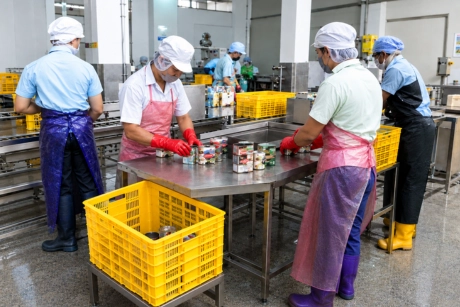
Why Canned Goods Need Their Own Inspection
A sealed can hides everything that matters — you cannot see the fill, the drained weight or a weak seam from the outside, and a whole pallet looks identical whether it is right or wrong.
Canned food is judged on what is inside a container nobody can look into: the seal that keeps the product safe, the drained weight your customer is actually paying for, and the appearance and consistency of the fill. Add a label and date code that have to be correct for every market you sell into, and a single mislabelled or short-filled run can hold up an entire shipment at customs or on a retailer’s intake. An on-site inspection opens samples from the packed lot, weighs and examines them against your specification, and checks cans, labels, cartons and loading — while the cannery can still correct the run.
Every Canned Product, Its Own Checklist
A can of tuna in oil and a can of diced tomatoes fail in completely different ways. Our inspectors work to the checklist that matches what you are actually packing.
- Piece size and cut uniformity
- Colour and maturity of the fill
- Syrup or brine strength
- Blemishes and foreign matter
- Pack style and piece arrangement
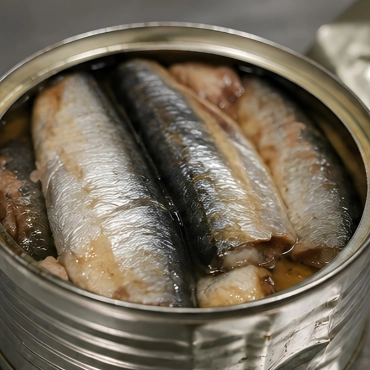
- Bone, skin and scale content
- Oil, brine or sauce ratio
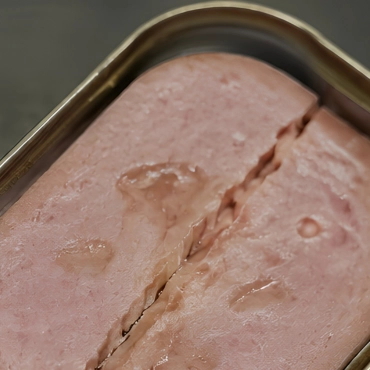
- Odour, colour and texture
- Fill consistency batch to batch
- Sauce and solid ratio
- Fat, gel and separation
- Declared ingredients on pack
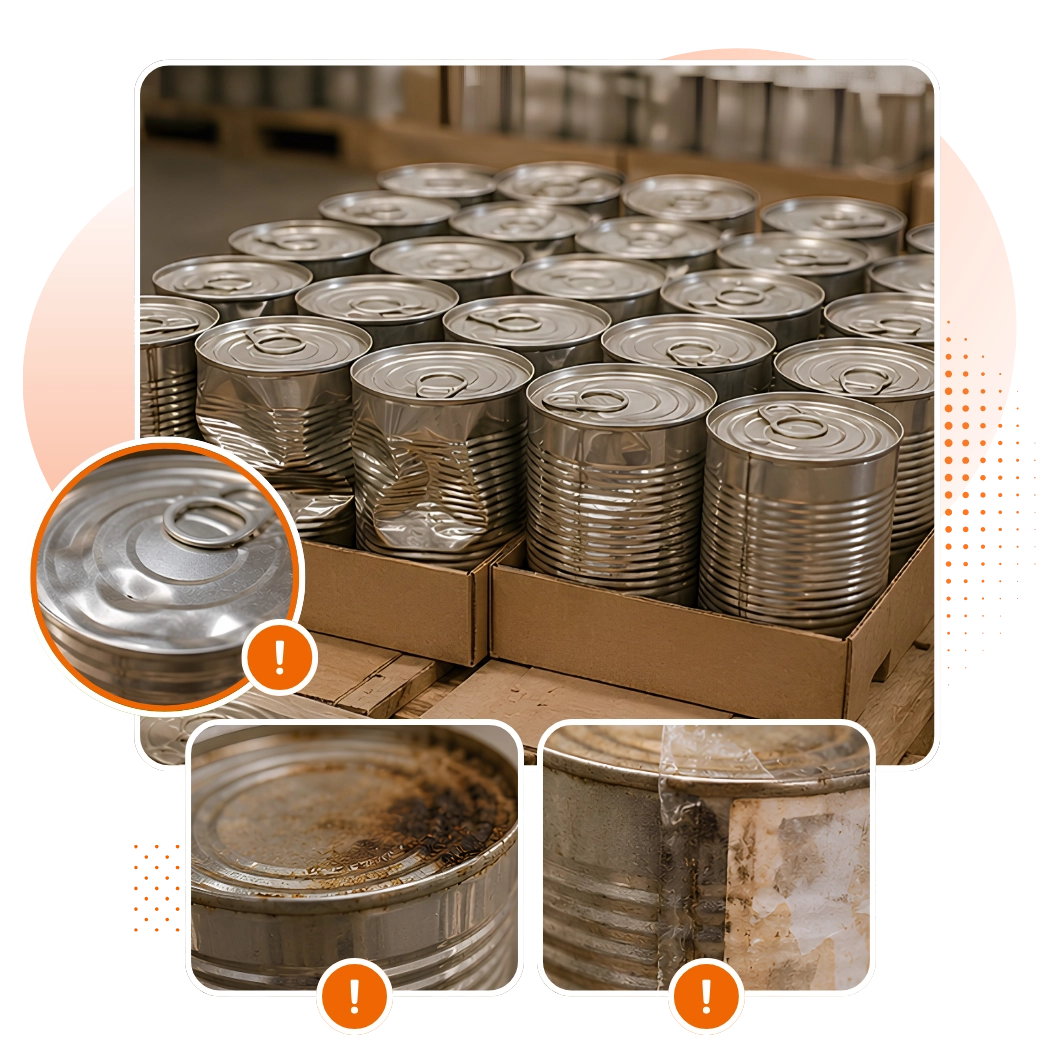
- Double seam and seal condition
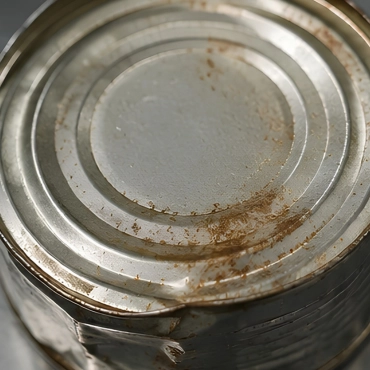
- Dents, rust and body damage
- Vacuum and headspace
- Easy-open ends and lids
What We Check
Every inspection is set up against your own specification and your buyer’s requirements. A typical canned goods checklist covers:
-
Product and batch identity lot and date codes against the packing list
-
Can, jar and closure condition dents, rust, leakage and seam appearance
-
Net weight, drained weight and fill against the declared specification
-
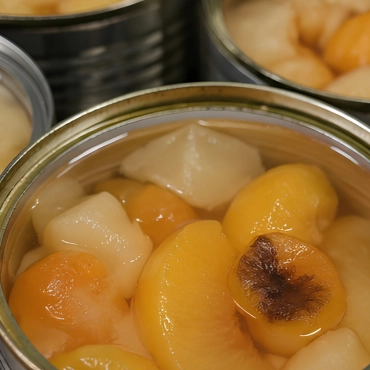
Product appearance colour, piece size, cut, texture and foreign matter
-
Vacuum, headspace and seal integrity on opened samples
-
Label artwork, language versions, date coding and barcodes
-
Shrink packs, master cartons and pallet build for transit protection
-
Quantity verification and AQL sampling on the packed lot
Whether you need a one-off pre-shipment check or ongoing oversight across a production programme, we build the checklist around your specification and your buyer’s requirements.
Defects We Catch Before the Container Closes
These are the findings that most often turn into claims, rejected pallets or a shipment held at intake when nobody looks before loading.
-
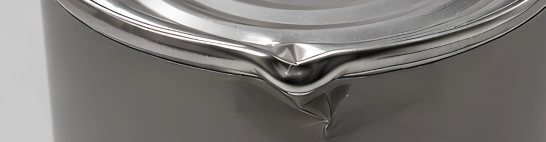
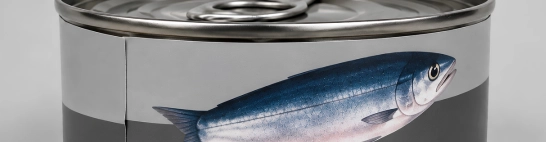
Dented cans, damaged seams or swollen ends in the packed lot
-
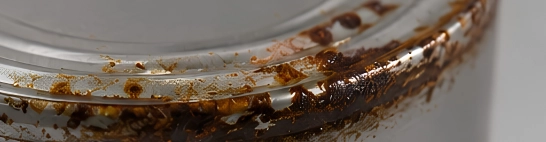
Rust, leakage or product residue on the can body and base
-
Net or drained weight below the figure declared on the label
-
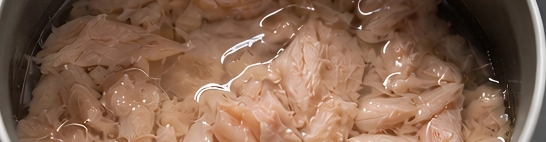
Vacuum or headspace outside the tolerance on opened samples
-
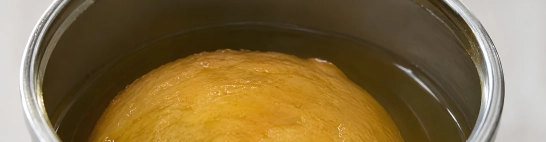
Colour, piece size and grade mixed within the same lot
-
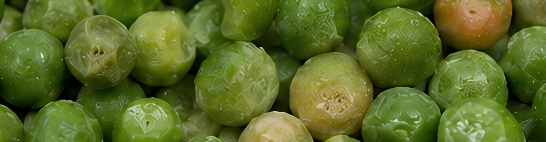
Off odour, soft texture or foreign matter found in the fill
-
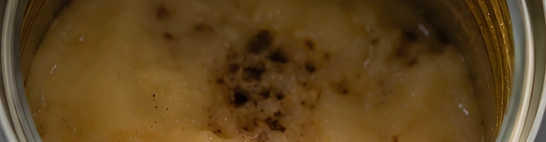
Labels misaligned, creased, or the wrong artwork or language version
-
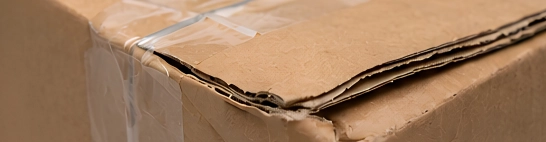
Crushed, damp or under-filled master cartons and unstable pallets
-
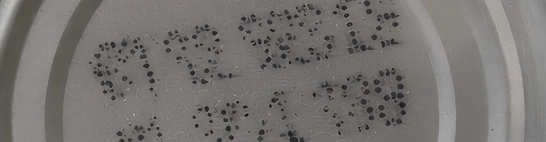
Date codes, batch marks or barcodes missing, unreadable or incorrect
Which Inspection Stage Do You Need?
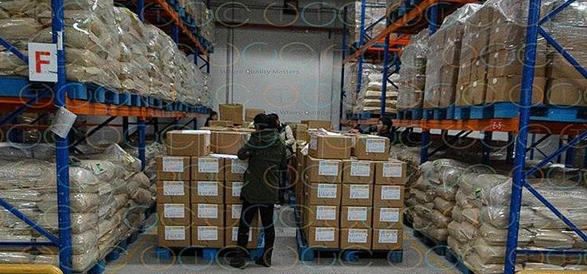
Canning problems are cheapest to fix before the run is sealed and labelled. Most buyers combine two or more of these across a production programme.
Everything You Need to Know About Canned Goods Inspection
Still unsure about scope or timing? Talk to us — we will tell you what a given order actually needs.
What kinds of canned goods do you inspect?
Do you open cans during the inspection?
Do you check labels and date codes?
How much does a canned goods inspection cost?
Which countries can you inspect canned goods in?
Can you supervise the container loading as well?
Ready to secure your supply chain?
Our experts in Asia provide professional, fast-response solutions for your inspection and audit needs.