
Furniture Inspection Services
Independent, third-party quality control for furniture. We check surface finish, dimensions, weight, labels, barcodes, assembly, stability, packaging and container loading.
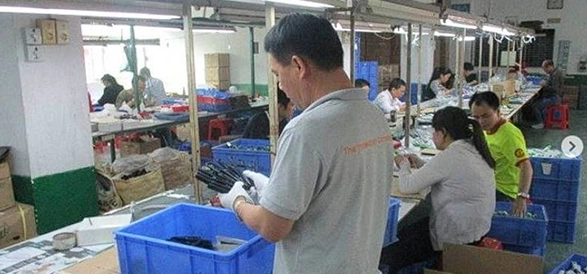
- On-site inspection at your supplier’s factory
- Photo-backed report within 24 hours of the inspection
- Inspectors available across 25+ sourcing countries
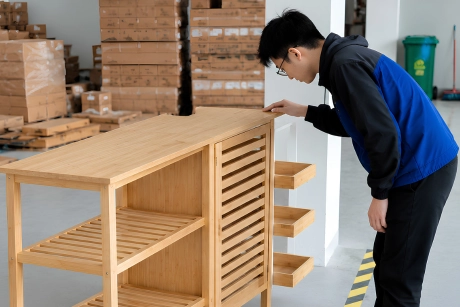
Why Furniture Needs Its Own Inspection
Furniture defects are expensive to discover after shipping — large items, high freight cost, and damage that only shows up once the carton is opened.
Furniture combines several materials in one product: wood or board, metal fittings, foam, fabric and coatings. Each has its own failure mode, and most of them are invisible in a photo from the supplier. An on-site inspection checks the finished goods against your specification and your approved sample before the container is sealed, so problems are caught while the factory can still fix them.
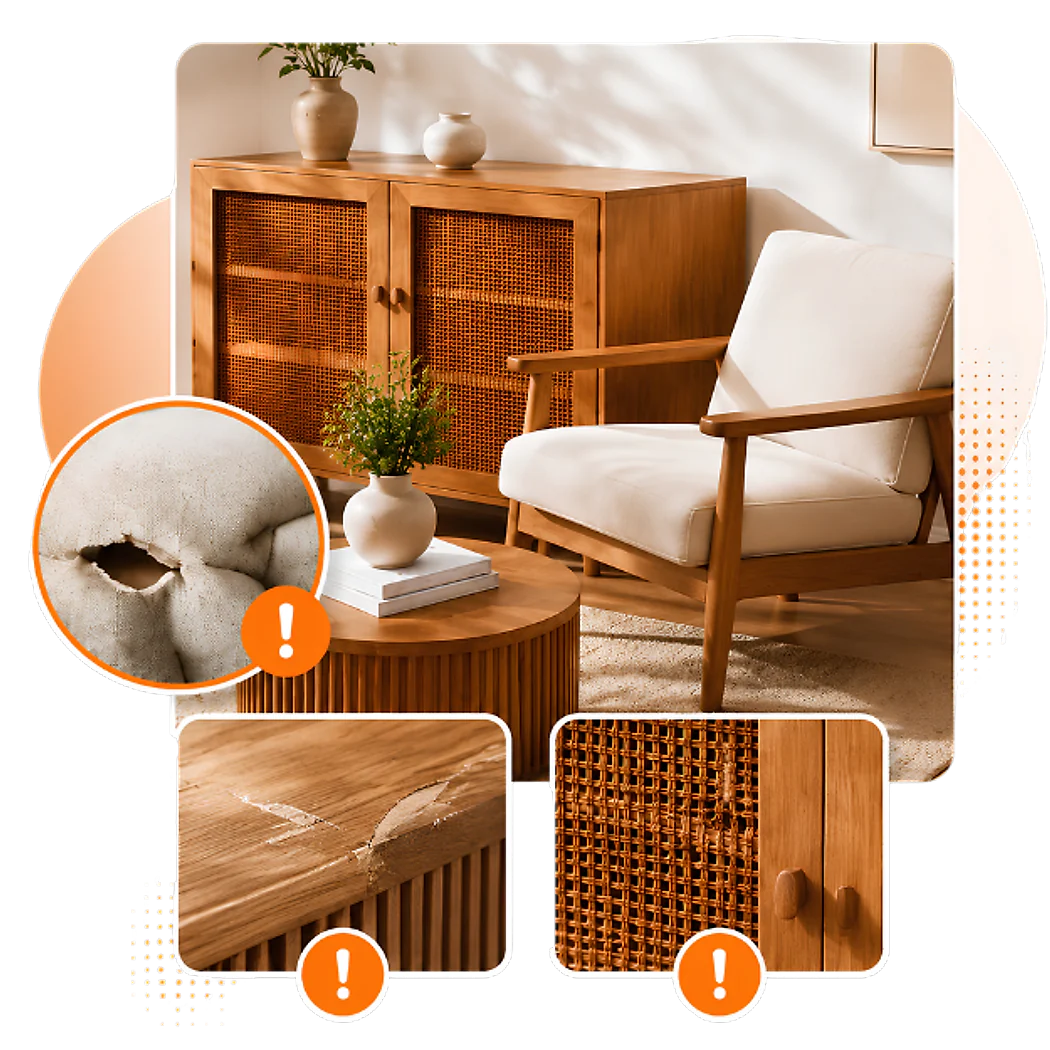
Every Furniture Material, Its Own Checklist
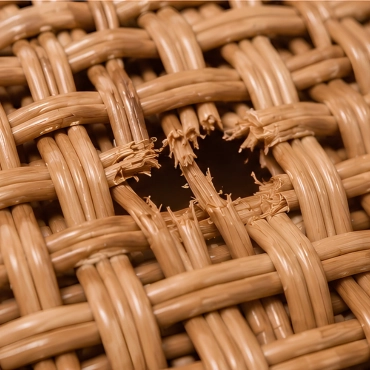
A rattan chair and a flat-pack wardrobe fail in completely different ways. Our inspectors work to the checklist that matches what you are actually making.
- Moisture and warping
- Veneer lift
- Edge banding
- Joint integrity
- Weld quality
- Coating adhesion
- Sharp edges
- Corrosion resistance
- Weave consistency
- Loose ends
- Mould risk
- Colour variation across a lot
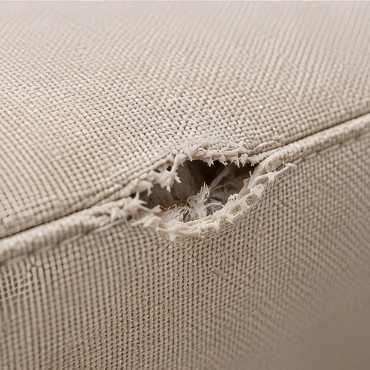
- Stitching
- Seam strength
- Foam density
- Colour match
- Filling consistency
What We Check
Every inspection is set up against your own specification and approved sample. A typical furniture checklist covers:
-
Materials and construction panel, frame, joint and hardware quality
-
Dimensions and weight against the approved specification
-
Surface finish colour, coating, veneer, gloss and visible defects
-
Assembly, stability and moving parts such as drawers, hinges and casters
-
Fittings, screws, tools and assembly instructions included in the pack
-
Labelling, barcodes and carton markings
-
Packaging, corner protection and drop resistance
-
Quantity verification and AQL sampling on the finished lot
Whether you need a one-off pre-shipment check or ongoing oversight across a furniture programme, we build the checklist around your specification and your buyer’s standards.
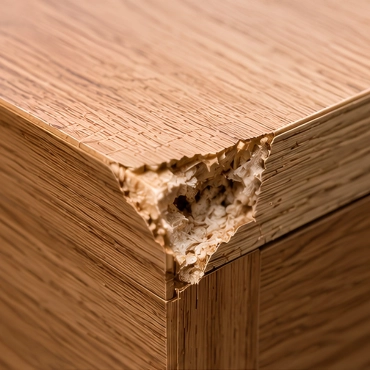
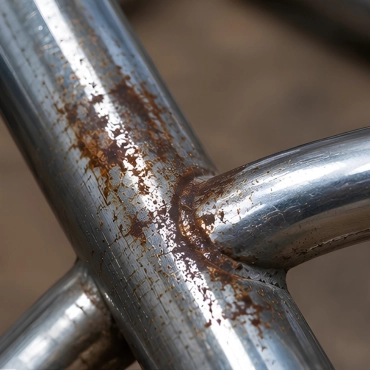
Defects We Catch Before the Container Closes
These are the findings that most often turn into claims, rework or a rejected shipment when nobody looks before loading.
-
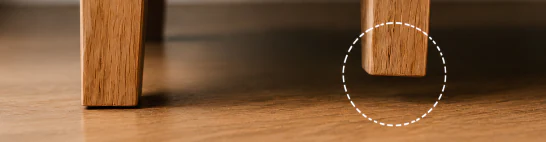
Wobbling or uneven legs on assembled units
-
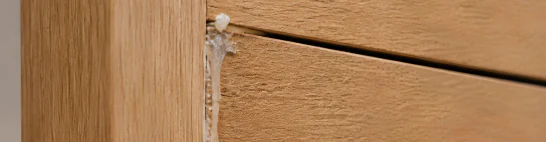
Visible glue residue, tool marks or sanding scratches
-
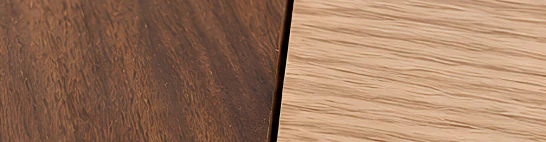
Colour and grain mismatch between pieces in the same set
-
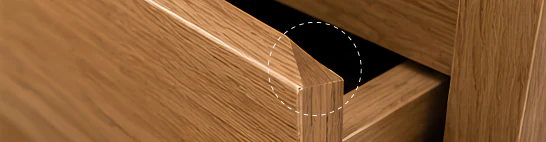
Drawers and doors that bind, sag or do not align
-
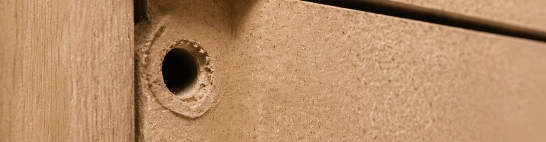
Missing screws, dowels, fittings or assembly instructions
-
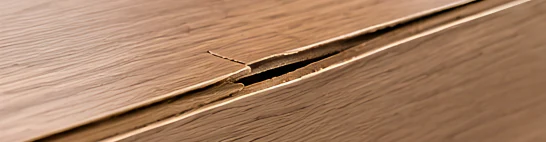
Veneer lifting, bubbling or chipped edge banding
-
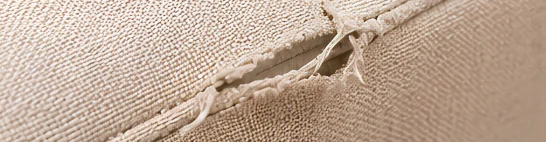
Loose or uneven stitching and puckered upholstery seams
-
Insufficient corner protection causing transit damage

-
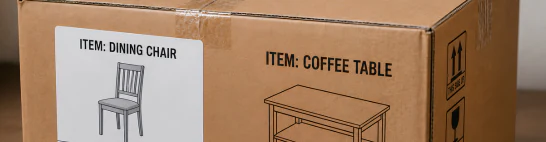
Cartons that do not match the labelling or packing list
Which Inspection Stage Do You Need?
Furniture problems are cheapest to fix early. Most buyers combine two or more of these across a production run.

Everything You Need to Know About Furniture Inspection
Still unsure about scope or timing? Talk to us — we will tell you what a given order actually needs.
What kinds of furniture do you inspect?
How quickly do I get the report?
How much does a furniture inspection cost?
Do you inspect against my own checklist?
Which countries can you inspect furniture in?
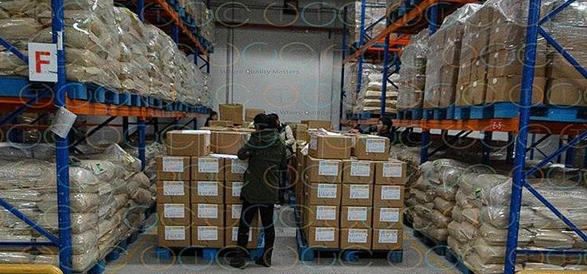
Can you supervise the container loading as well?
Ready to secure your supply chain?
Our experts in Asia provide professional, fast-response solutions for your inspection and audit needs.