
Home Appliance Inspection Services
Independent, third-party quality control for home and kitchen appliances — function, safety-related and packaging checks carried out on-site.
- On-site inspection at your supplier’s factory
- Photo-backed report within 24 hours of the inspection
- Inspectors available across 25+ sourcing countries
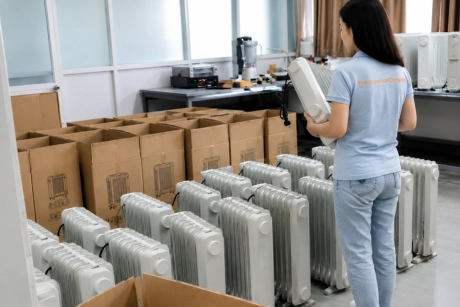
Why Home Appliances Need Their Own Inspection
Appliances are electrical products — a defect that reaches the consumer is not just a return, it is a liability and a recall risk.
Home appliances combine electrical, mechanical and cosmetic requirements in a single product, and the market they ship into decides the plug, the voltage and the marking on the rating label. An on-site inspection runs the finished units, verifies the accessories and documentation in the box, and confirms the packaging will survive transport — before the container is sealed.
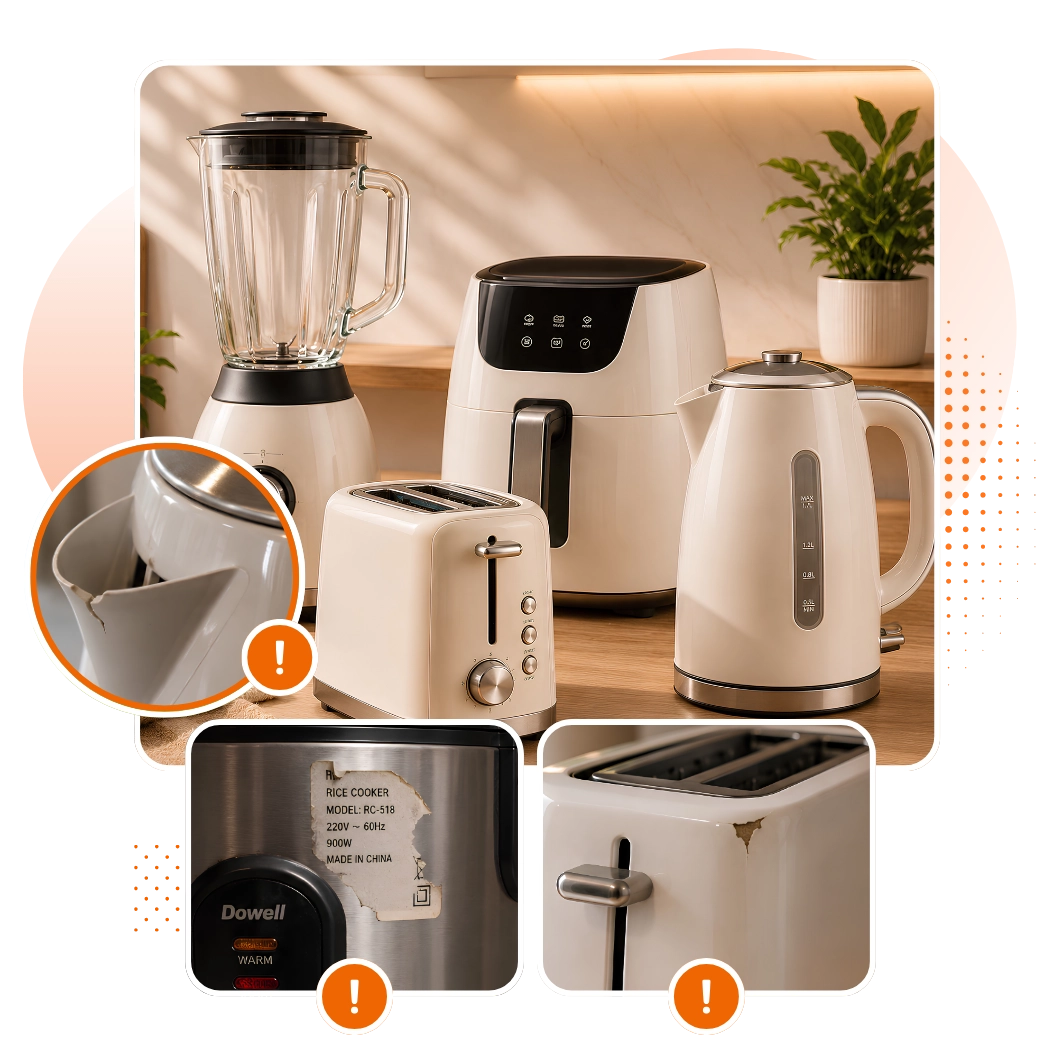
Every Appliance Component, Its Own Checklist
A kettle and a vacuum cleaner fail in completely different ways. Our inspectors work to the checklist that matches what you are actually making.
- Plug type and rating
- Cord length and strain relief
- Rating label accuracy
- Wiring routing and insulation
- Noise and vibration
- Speed and mode settings
- Run test duration
- Play and alignment
- Moulding defects
- Scratches and dents
- Colour match
- Gap and fit between parts
- Attachments and filters
- Spare parts count
- Manual and language versions
- Warranty card
What We Check
Every inspection is set up against your own specification and approved sample. A typical home appliance checklist covers:
-
Function test on sampled units across their operating modes
-
Plug type, cord, rating label and voltage against the destination market
-
Workmanship and cosmetic appearance of housings and finishes
-
Dimensions, net and gross weight against the specification
-
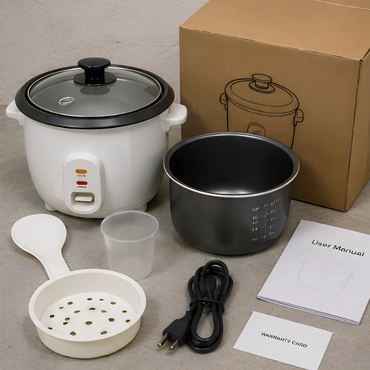
Accessories, filters, attachments and spare parts included in the box
-
User manual, warranty card and language versions supplied
-
Retail packaging, barcodes, carton markings and shipping marks
-
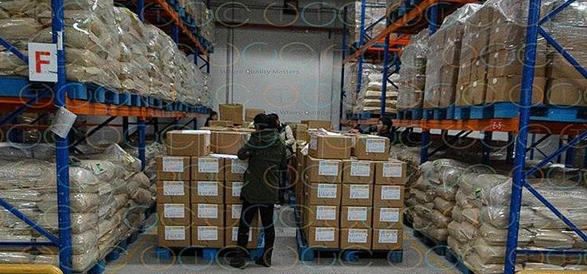
Quantity verification and AQL sampling on the finished lot
Whether you need a one-off pre-shipment check or ongoing oversight across an appliance range, we build the checklist around your specification, your destination market and your buyer’s standards.

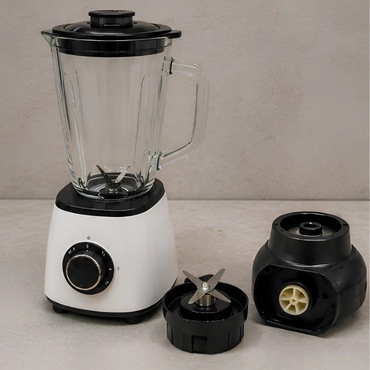
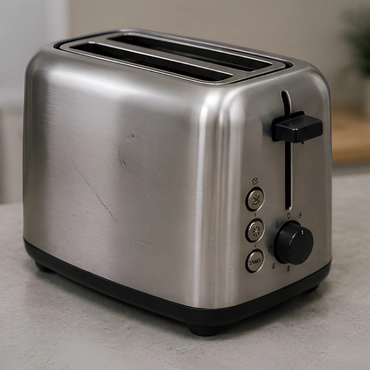
Defects We Catch Before the Container Closes
These are the findings that most often turn into claims, rework or a rejected shipment when nobody looks before loading.
-
Units that fail to power on or stop during the function test

-
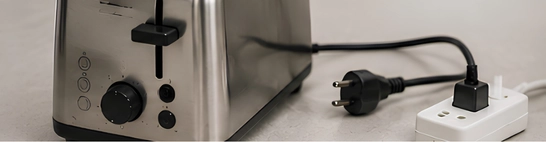
Wrong plug type, cord length or voltage for the destination market
-
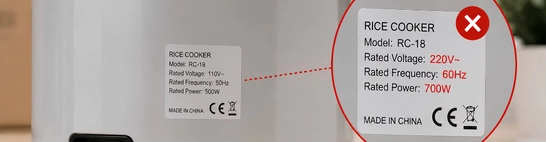
Rating label details that do not match the specification
-
Excessive noise, vibration or heat build-up during the run test

-
Scratches, dents or moulding marks on visible housings

-
Loose internal parts or fasteners audible when the unit is moved

-
Missing accessories, filters or attachments in the box

-
User manual missing or supplied in the wrong language

-
Retail packaging that fails the drop test or arrives crushed

Which Inspection Stage Do You Need?
An electrical defect that reaches the consumer is far more than a return. Most buyers combine two or more of these across a production run.



Everything You Need to Know About Home Appliance Inspection
Still unsure about scope or timing? Talk to us — we will tell you what a given order actually needs.
What kinds of appliances do you inspect?
How quickly do I get the report?
How much does an appliance inspection cost?
Do you inspect against my own checklist?
Which countries can you inspect appliances in?
Do you carry out electrical safety testing?
Ready to secure your supply chain?
Our experts in Asia provide professional, fast-response solutions for your inspection and audit needs.