
Sports Equipment Inspection Services
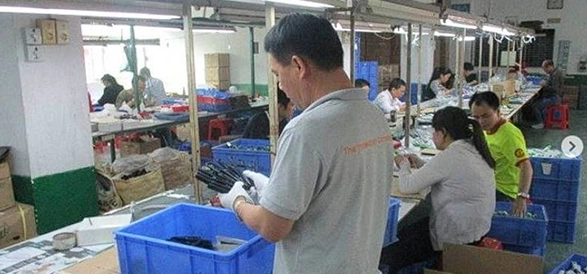
Independent, third-party quality control for sporting goods. We check materials, welds and fasteners, dimensions, weight, labels, barcodes, assembly, stability, packaging and container loading.
- On-site inspection at your supplier’s factory
- Photo-backed report within 24 hours of the inspection
- Inspectors available across 25+ sourcing countries
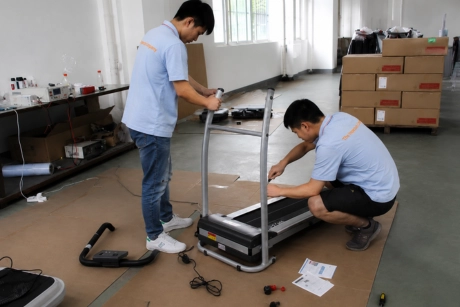
Why Sports Equipment Needs Its Own Inspection
Sporting goods carry a user’s bodyweight and take repeated impact, so a defect that would be cosmetic on another product becomes a safety issue here.
Sports equipment combines several materials in one product: steel or aluminium frames, plastic housings, foam padding, textile straps, rubber and coatings. Each has its own failure mode, and most of them are invisible in a photo from the supplier. An on-site inspection checks the finished goods against your specification and your approved sample before the container is sealed, so problems are caught while the factory can still fix them.
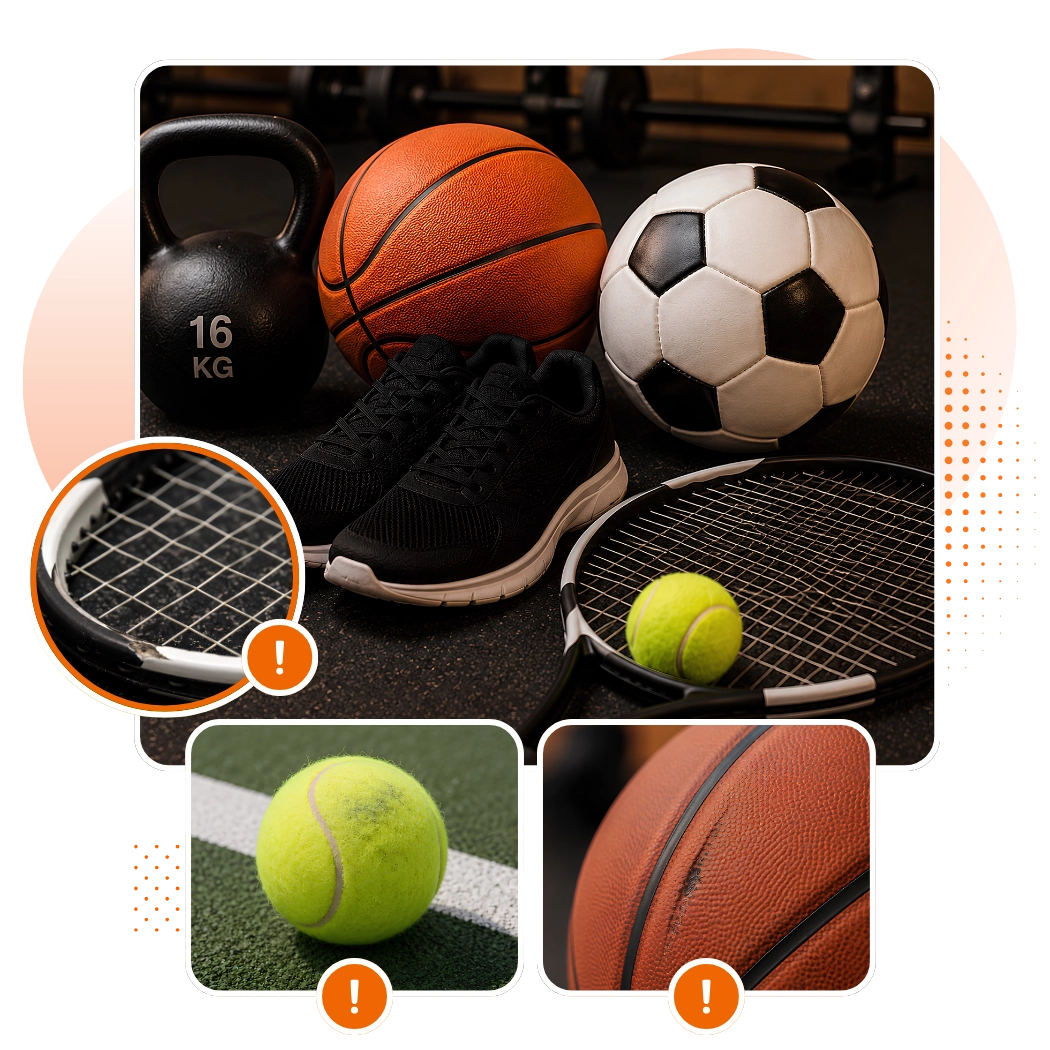
Every Sports Product, Its Own Checklist
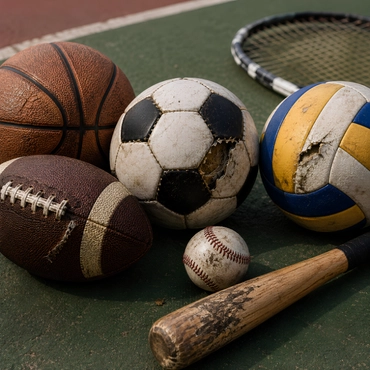
A treadmill and a football fail in completely different ways. Our inspectors work to the checklist that matches what you are actually making.
- Weld quality
- Load-bearing joints
- Cable and pulley condition
- Stability under load
- Seam and stitching strength
- Zip and buckle function
- Coating and water resistance
- Pole and frame integrity
- Air retention
- Bounce and weight consistency
- Print and logo accuracy
- Stitching and bonding
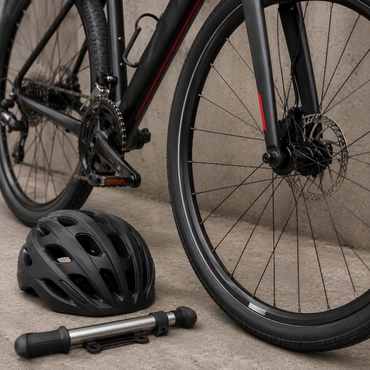
- Brake function
- Wheel and bearing play
- Fastener torque
- Frame alignment
- Reflectors and warning labels
What We Check
Every inspection is set up against your own specification and approved sample. A typical sports equipment checklist covers:
-
Materials and construction frame, weld, joint and fastener quality
-
Dimensions and weight against the approved specification
-
Surface finish colour, coating, plating, print and visible defects
-
Assembly, stability and moving parts such as hinges, pivots, wheels and bearings
-
Fittings, screws, tools and assembly instructions included in the pack
-
Labelling, barcodes, warning marks and carton markings
-
Packaging, corner protection and drop resistance
-
Quantity verification and AQL sampling on the finished lot
Whether you need a one-off pre-shipment check or ongoing oversight across a sporting goods programme, we build the checklist around your specification and your buyer’s standards.
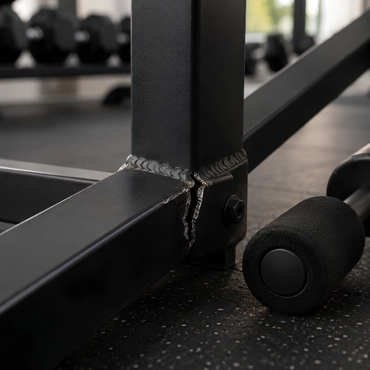
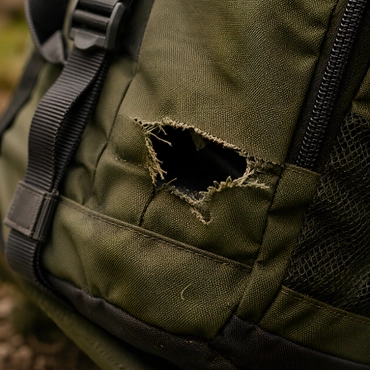
Defects We Catch Before the Container Closes
These are the findings that most often turn into claims, rework or a rejected shipment when nobody looks before loading.
-
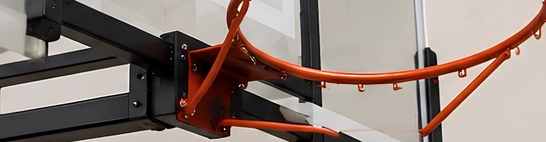
Frames that wobble or fail to sit level once assembled
-
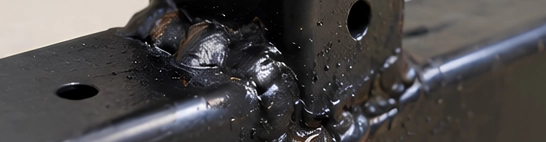
Poor welds, weld spatter, sharp edges or burrs on contact points
-
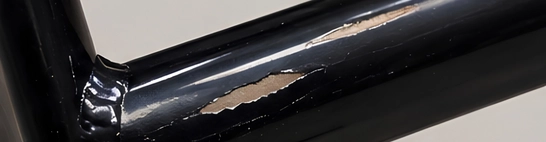
Coating, plating or print that chips, scratches or does not match the sample
-
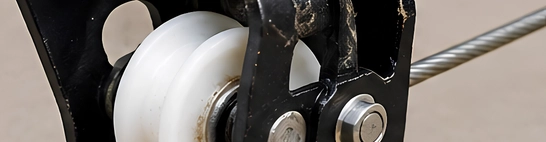
Moving parts that bind, slip or seize — pivots, wheels, bearings and cables
-
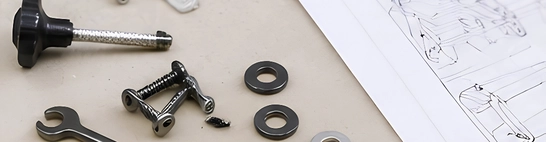
Missing screws, dowels, tools or assembly instructions
-
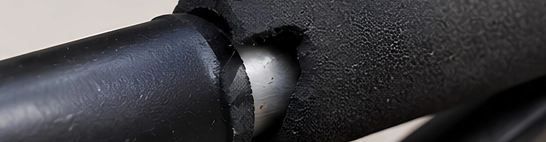
Padding, grips or covers that come loose from the frame
-
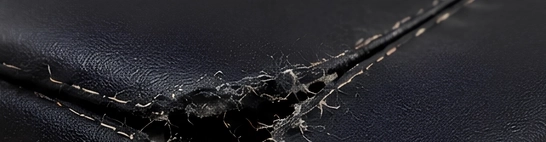
Loose or uneven stitching and weak seams on textile parts
-
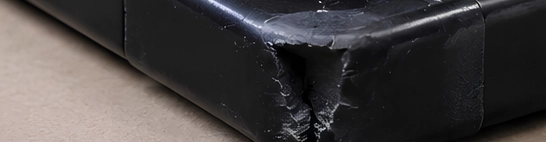
Insufficient corner protection causing transit damage
-
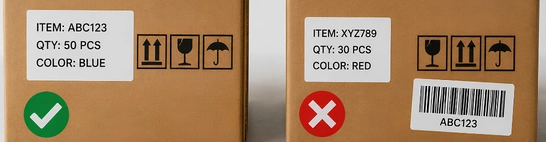
Cartons that do not match the labelling, warning marks or packing list
Which Inspection Stage Do You Need?
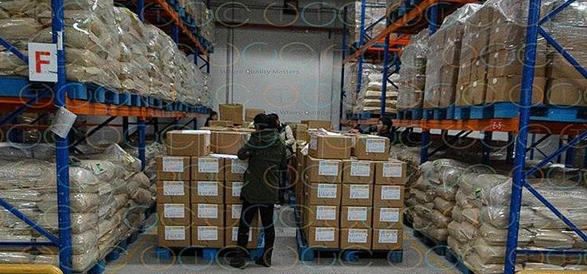
Sporting goods problems are cheapest to fix early. Most buyers combine two or more of these across a production run.
Everything You Need to Know About Sports Equipment Inspection
Still unsure about scope or timing? Talk to us — we will tell you what a given order actually needs.
What kinds of sports equipment do you inspect?
How quickly do I get the report?
How much does a sports equipment inspection cost?
Do you inspect against my own checklist?
Which countries can you inspect sports equipment in?
Can you supervise the container loading as well?
Ready to secure your supply chain?
Our experts in Asia provide professional, fast-response solutions for your inspection and audit needs.