
Toy Inspection Services
Independent, third-party quality control for toys. We check materials and workmanship, small parts, sharp points and edges, function, batteries, dimensions, age grading, warning labels, packaging and container loading.
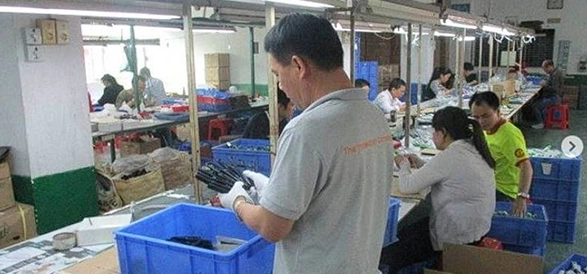
- On-site inspection at your supplier’s factory
- Photo-backed report within 24 hours of the inspection
- Inspectors available across 25+ sourcing countries
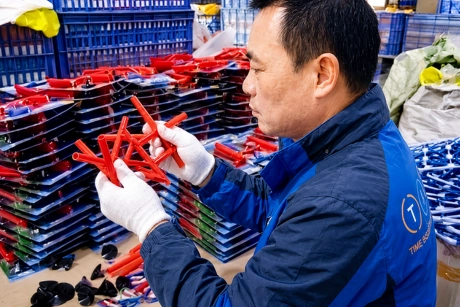
Why Toys Need Their Own Inspection
Toys are used by children, so a defect that would be cosmetic on another product becomes a safety issue — and a recall is far more expensive than the inspection that would have caught it.
Toys combine several materials in one product: moulded plastic, printed paper and board, textiles and stuffing, small metal fittings, batteries and coatings. Each has its own failure mode, and most of them are invisible in a photo from the supplier — a seam that opens under pull, a button eye that comes off, a battery compartment that a child can open. An on-site inspection checks the finished goods against your specification and your approved sample before the container is sealed, so problems are caught while the factory can still fix them.
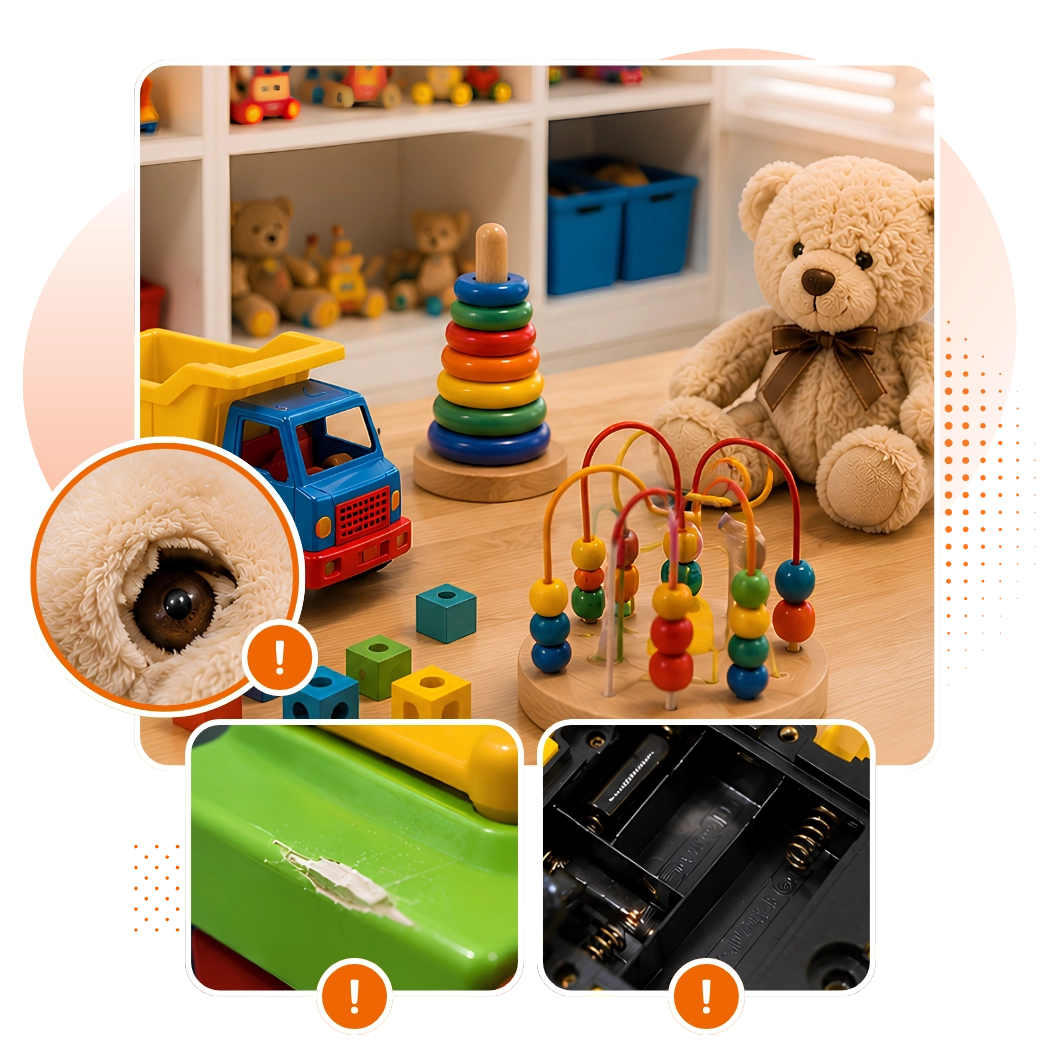
Every Toy Type, Its Own Checklist
A plush bear and a ride-on car fail in completely different ways. Our inspectors work to the checklist that matches what you are actually making.
- Flash, burrs and sharp edges
- Moulding and colour consistency
- Small parts and detachment
- Print and decal adhesion
- Function and sound level
- Battery compartment security
- Wiring and contact quality
- Switches and charging parts
- Seam and stitching strength
- Eye, nose and accessory attachment
- Filling weight and consistency
- Surface fibre and colour match
- Splinters and sanding quality
- Coating and print quality
- Piece count against the artwork
- Board and box construction
What We Check
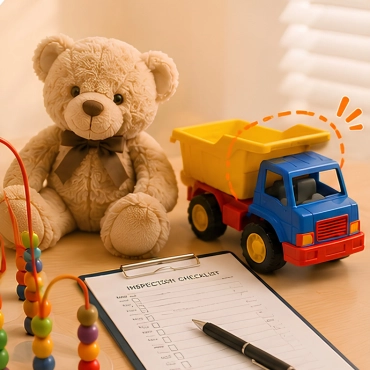
Every inspection is set up against your own specification and approved sample. A typical toy checklist covers:
-
Materials and workmanship mouldings, seams, joints and fittings
-
Small parts, detachable pieces and pull-off checks on attached components
-
Sharp points, sharp edges, burrs and pinch points on assembled units
-
Function testing movement, lights, sound and battery operation
-
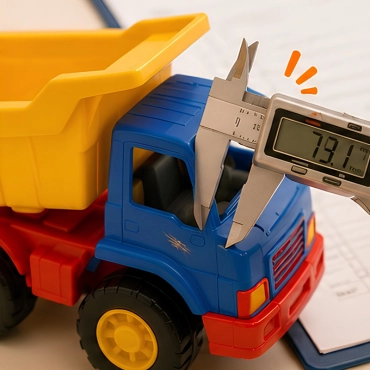
Dimensions, weight and colour against the approved sample
-
Age grading, warning statements, labelling and barcodes
-
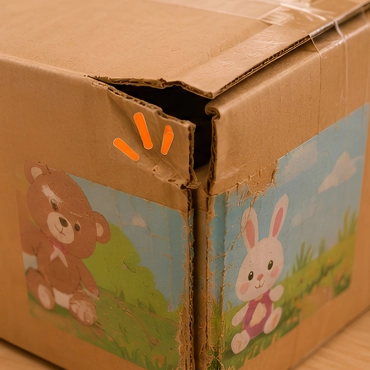
Packaging, inserts, instruction sheets and drop resistance
-
Quantity verification and AQL sampling on the finished lot
Whether you need a one-off pre-shipment check or ongoing oversight across a seasonal toy programme, we build the checklist around your specification and your buyer’s standards.
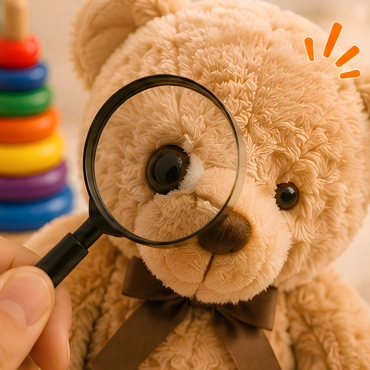
Defects We Catch Before the Container Closes
These are the findings that most often turn into claims, rework or a rejected shipment when nobody looks before loading.
-
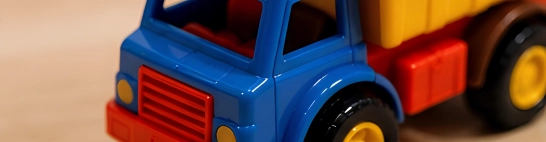
Small parts that come loose from an assembled toy
-
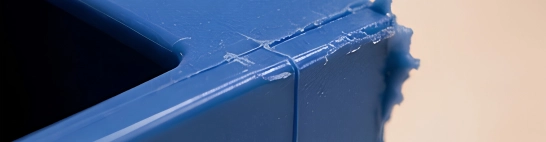
Sharp edges, burrs or moulding flash left on plastic parts
-
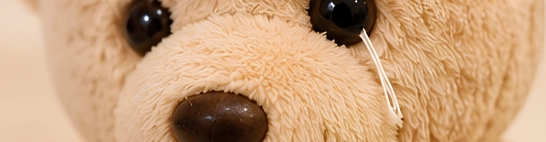
Eyes, noses and accessories that pull off a plush toy
-
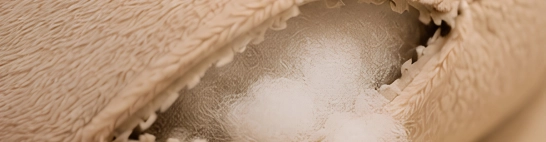
Open, skipped or weak seams that let the stuffing out
-
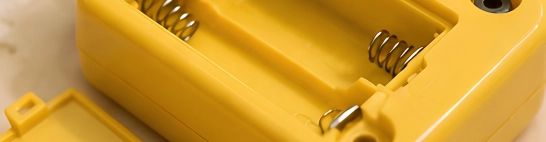
Battery compartments that open without a tool
-
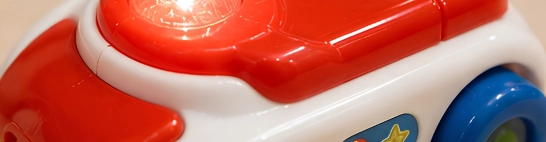
Lights, sound or movement that do not work as sampled
-
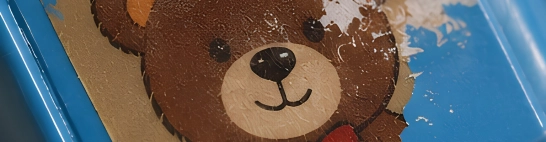
Print, decals or paint that rub off, scratch or peel
-
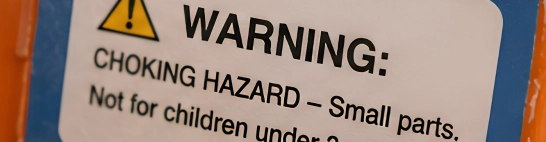
Missing or wrong age grading and warning statements
-
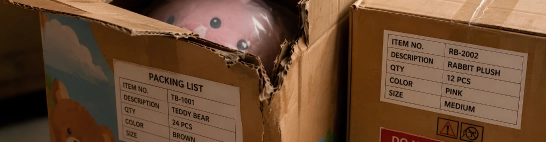
Cartons that do not match the labelling or packing list
Which Inspection Stage Do You Need?
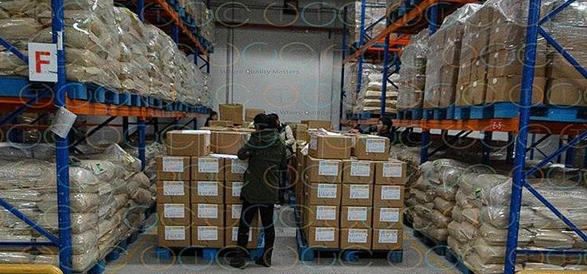
Toy problems are cheapest to fix early — and seasonal orders leave no room to rework a full lot. Most buyers combine two or more of these across a production run.
Everything You Need to Know About Toy Inspection
Still unsure about scope or timing? Talk to us — we will tell you what a given order actually needs.
What kinds of toys do you inspect?
Do you check toys against safety standards?
How quickly do I get the report?
How much does a toy inspection cost?
Do you inspect against my own checklist?
Which countries can you inspect toys in?
Ready to secure your supply chain?
Our experts in Asia provide professional, fast-response solutions for your inspection and audit needs.