
Pressure Vessel and Tank Inspection Services
Independent, third-party quality control for pressure vessels and tanks. We check material certificates, dimensions and nozzle orientation, welding, pressure tests, internal cleanliness, coating, nameplates and packing before the equipment leaves the fabrication shop.
- On-site inspection at your supplier’s fabrication shop
- Photo-backed report within 24 hours of the inspection
- Inspectors available across 25+ sourcing countries
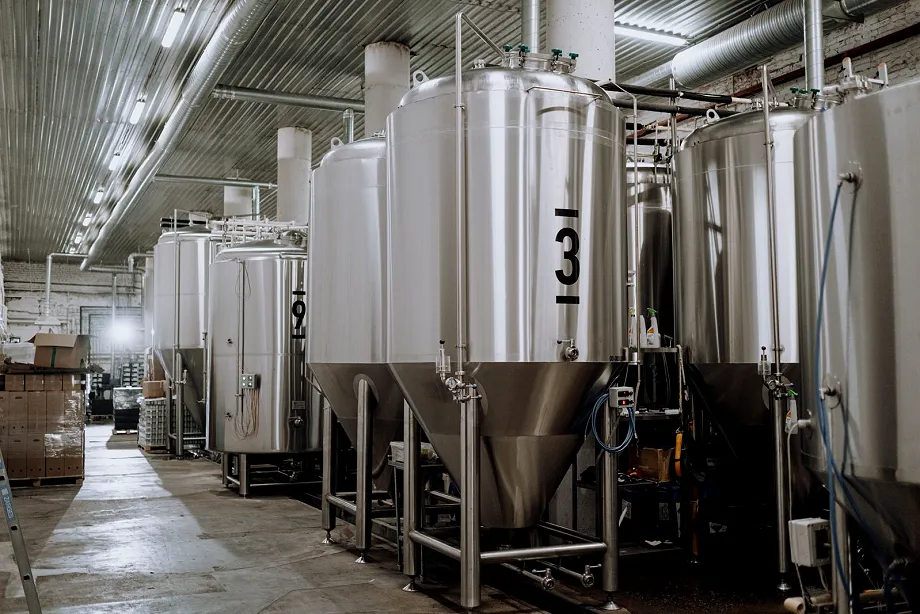
Why Vessels and Tanks Need Their Own Checks
A nozzle a few degrees out of position or a weld with hidden porosity looks fine on the shop floor — and becomes a costly rework or a failed test once the vessel reaches site.
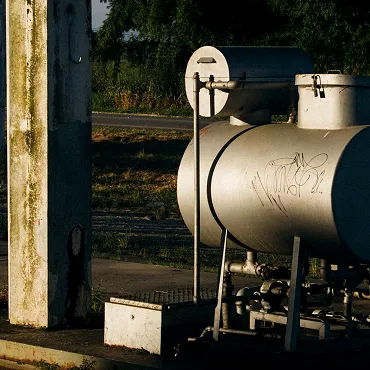
Pressure vessels and tanks are built one at a time to a specific design, so every unit carries its own risks: plate or forging material that does not match its certificate, a nozzle in the wrong orientation, a weld that needs repair, a shell that is out of round, or a test that was never properly witnessed. Each vessel has to be checked against your purchase order, the approved drawings, the referenced code and its test records, and where the order requires it, its pressure test witnessed. An on-site inspection does that at the fabrication shop, before the vessel is painted, preserved and shipped.
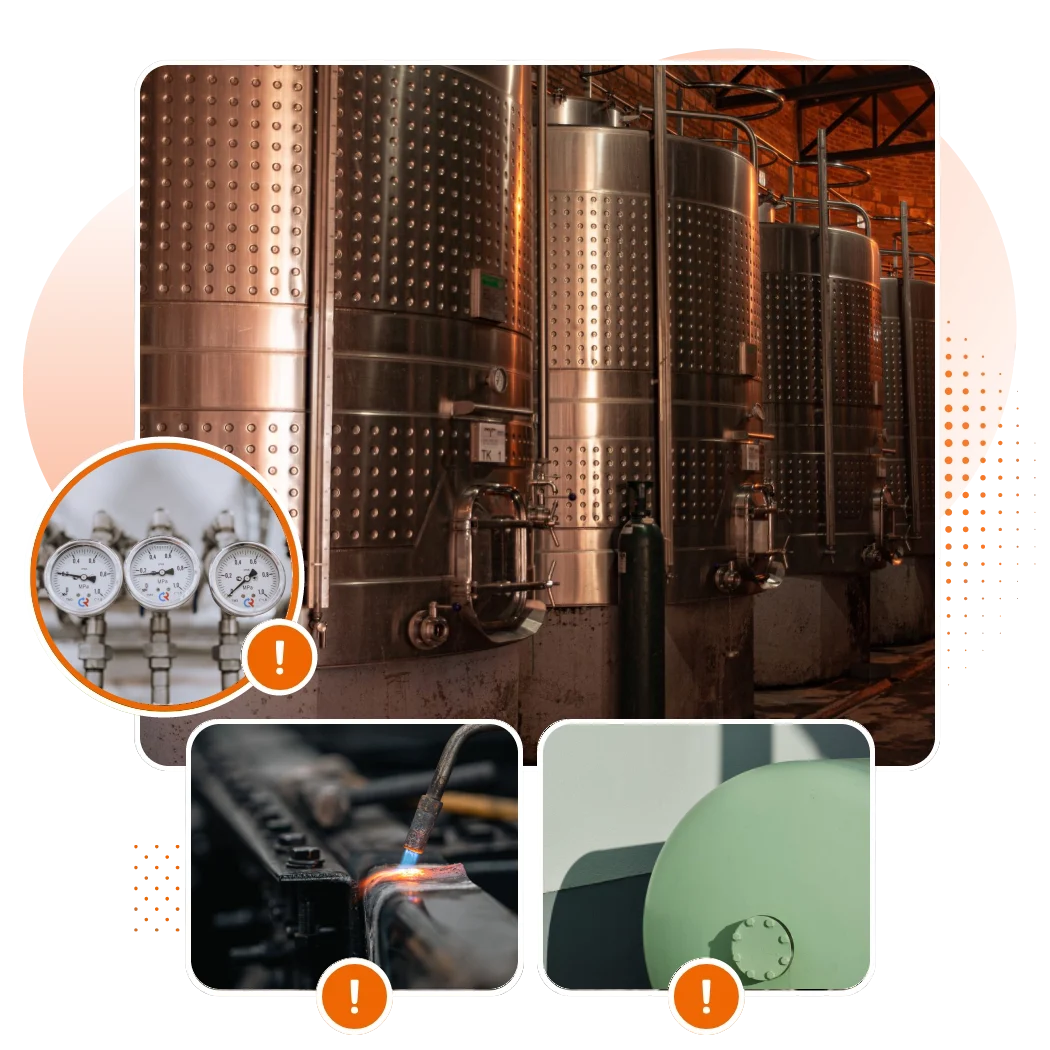
Every Equipment Type, Its Own Checklist
A process column, a storage tank and a heat exchanger are designed and fail in different ways. Our inspectors work to the checklist that matches what you are actually buying.
- Shell and head material traceability
- Weld condition and NDT records
- Nozzle orientation and projection
- Pressure test results
- Plate thickness and dimensions
- Weld seams and leak testing
- Fittings, manways and accessories
- Internal and external coating
- Tube, tubesheet and baffle condition
- Tube-to-tubesheet joints
- Shell-side and tube-side test results
- Nozzle and support dimensions
- Dimensions against the drawing
- Lifting lugs and attachment welds
- Coating and corrosion protection
- Marking, preservation and packing
What We Check
Every inspection is set up against your purchase order, the approved drawings and the referenced code. A typical pressure vessel and tank checklist covers:
-
Material verification plate and forging certificates checked against heat numbers and the specified grade
-
Dimensions and orientation shell diameter, length, nozzle orientation, projection and elevation against the drawing
-
Welding visual weld condition, with NDT reports and welding documents reviewed where required
-
Pressure testing hydrostatic or pneumatic tests witnessed or test records reviewed, where the order requires it
-
Shell condition out-of-roundness, dents, arc strikes and surface damage
-
Internal cleanliness inside surfaces free of debris, spatter, scale and moisture before closing
-
Nameplate and marking design data, serial number and required markings on every unit
-
Coating, preservation and packing surface preparation, coating thickness, nozzle covers and transport saddles
Whether you need a single final inspection or oversight across a full fabrication schedule, we build the checklist around your purchase order and the code it references.
Defects We Catch Before the Order Ships
These are the findings that most often turn into rework, failed site tests or delays when nobody looks before shipment.
-
Plate or forging material that does not match the certificate
-
Nozzle orientation, projection or elevation outside the drawing
-
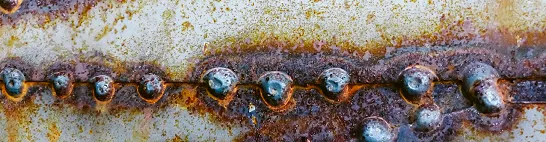
Weld defects such as undercut, porosity or incomplete fusion
-
Out-of-round shell, dents or arc strikes
-
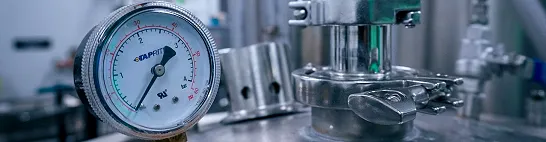
Failed pressure test, or a test without proper records
-
Debris, spatter or moisture left inside the vessel

-
Coating too thin, damaged or applied on poor surface preparation
-
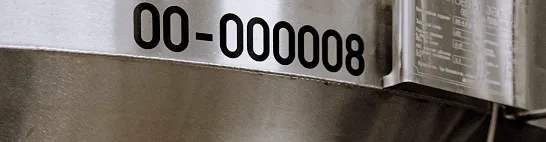
Missing or incorrect nameplate data
-
Open nozzles, missing covers or inadequate transport saddles

Which Inspection Stage Do You Need?
Material, fit-up and welding problems are cheapest to fix before the vessel is tested and painted. Most buyers combine two or more of these across a fabrication schedule.
Everything You Need to Know About Pressure Vessel and Tank Inspection
Still unsure about scope or timing? Talk to us — we will tell you what a given order actually needs.
What kinds of pressure vessels and tanks do you inspect?
Can you witness hydrostatic or pneumatic tests?
Do you check nozzle orientation against the drawing?
How quickly do I get the report?
How much does a pressure vessel and tank inspection cost?
Which countries can you inspect pressure vessels and tanks in?
Ready to Secure Your Supply Chain?
Our experts in Asia provide professional, fast-response solutions for your inspection and audit needs.