
Household Goods Inspection Services
Independent, third-party quality control for household goods. We check materials, construction, function, food-contact safety, finish, labelling and packing before the order leaves the factory.
- On-site inspection at your supplier’s factory
- Photo-backed report within 24 hours of the inspection
- Inspectors available across 25+ sourcing countries
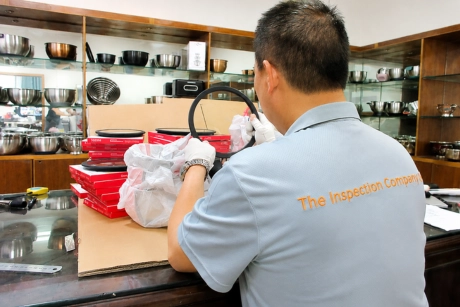
Why Household Goods Need Their Own Inspection
A container that leaks, a coating that flakes into food or a lid that will not seal is a fault a customer finds in their own kitchen, not on a shelf.
Household goods cover a wide range of materials — plastic, glass, ceramic, silicone, stainless steel and coated metal — many of which sit in direct contact with food or handle daily wear that a photo cannot predict. Seal integrity, coating adhesion, load capacity and food-contact safety all have to be verified against your specification and your approved sample, not just judged by appearance. An on-site inspection checks the finished, packed goods before the container is sealed, so a fault is caught at the factory, not in a customer’s kitchen.
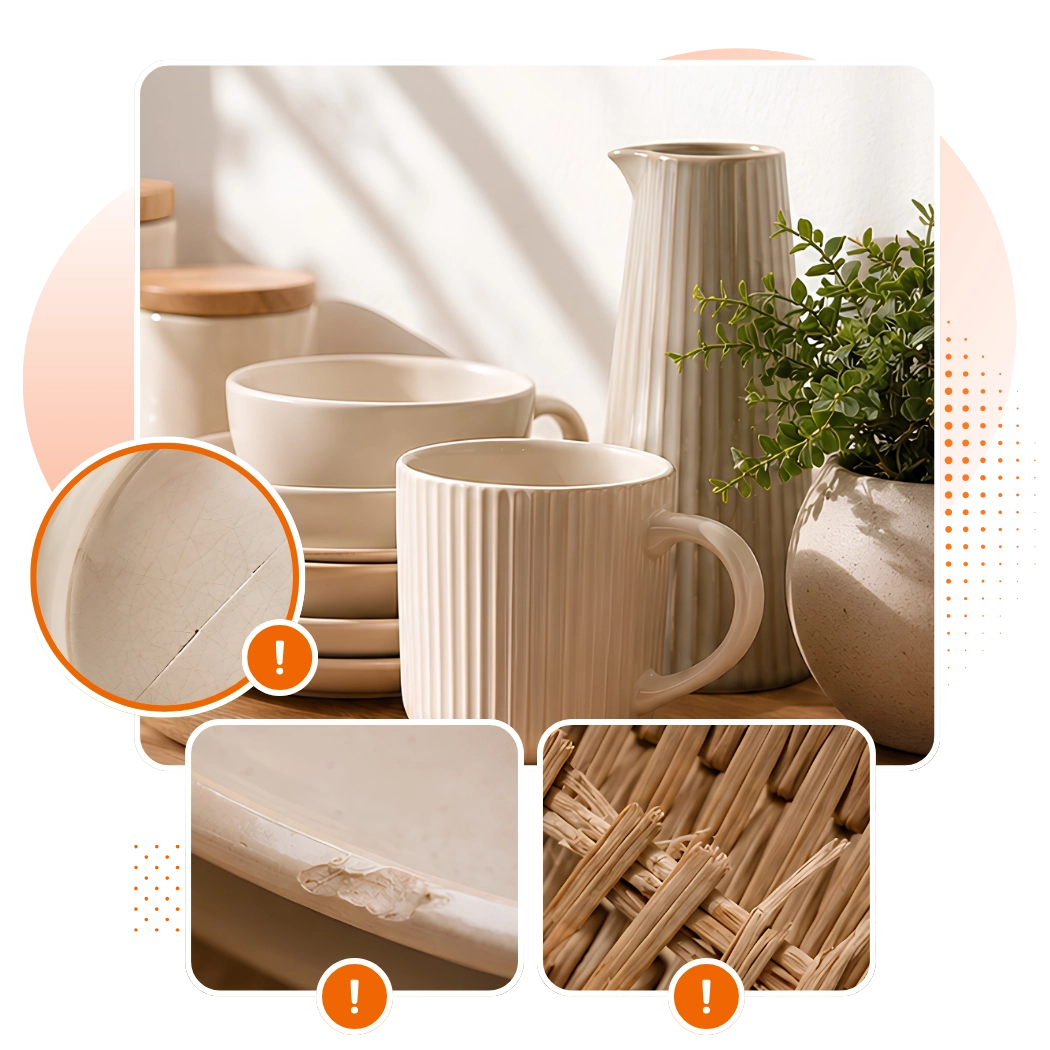
Every Household Goods Category, Its Own Checklist
A non-stick frying pan and a plastic storage box fail in completely different ways. Our inspectors work to the checklist that matches what you are actually making.
- Coating adhesion and non-stick performance
- Handle attachment and heat resistance
- Base flatness and induction compatibility
- Food-contact material compliance
- Lid seal and latch function
- Load capacity and stacking strength
- Wall thickness and stress cracking
- Leak testing on liquid-tight items
- Thermal shock resistance
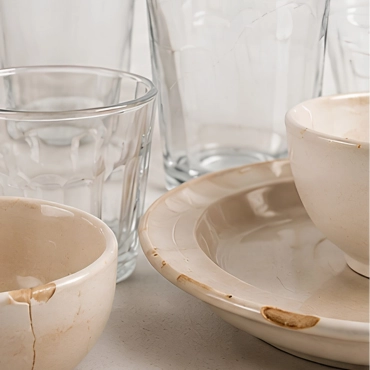
- Chips, cracks and mould lines
- Glaze and decoration adhesion
- Edge and rim finishing
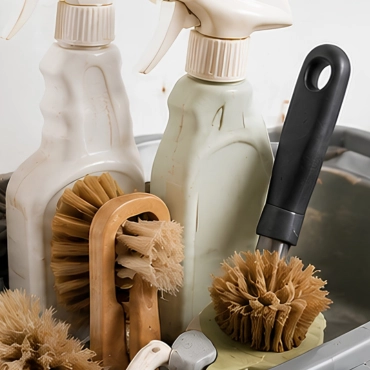
- Bristle and fibre attachment strength
- Handle and joint durability
- Moving-part function
- Material safety and chemical resistance
What We Check
Every inspection is set up against your own specification and approved sample. A typical household goods checklist covers:
-
Materials and construction wall thickness, joints and coating quality
-
Dimensions, weight and capacity against the approved specification
-
Function testing seals, latches, lids and moving parts
-
Food-contact safety and material compliance where applicable
-
Surface finish colour, coating, glaze and visible defects
-
Labelling, barcodes and carton markings
-
Packaging, drop resistance and cushioning
-
Quantity verification and AQL sampling on the finished lot
Whether you need a one-off pre-shipment check or ongoing oversight across a household goods programme, we build the checklist around your specification and your buyer’s standards.
Defects We Catch Before the Container Closes
These are the findings that most often turn into claims, rework or a rejected shipment when nobody looks before loading.
-
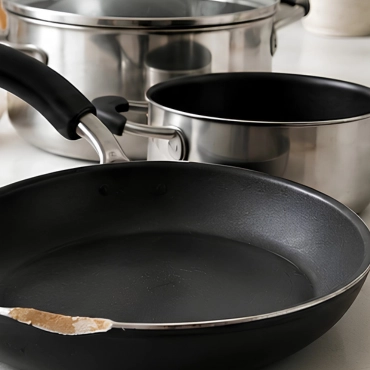
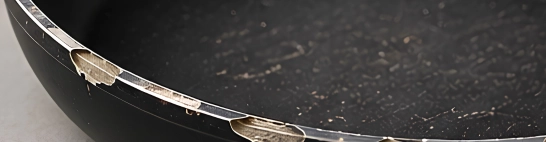
Non-stick coating that flakes, blisters or scratches off
-
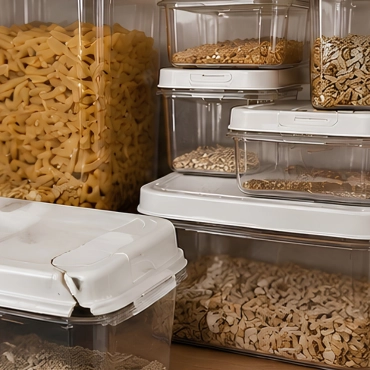
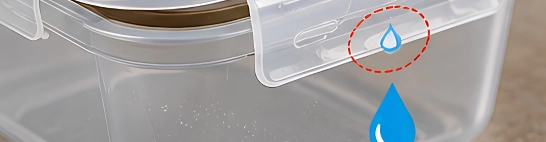
Lids and seals that leak or do not latch securely
-
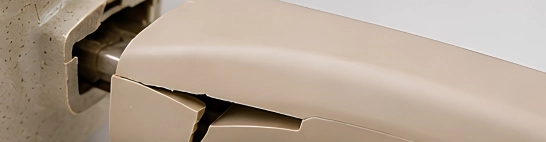
Handles that loosen, crack or fail under normal load
-
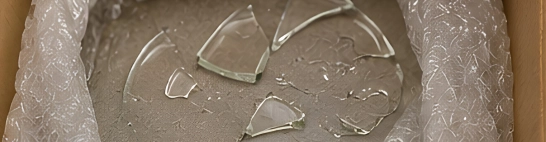
Chips, cracks or mould lines on glass and ceramic items

-
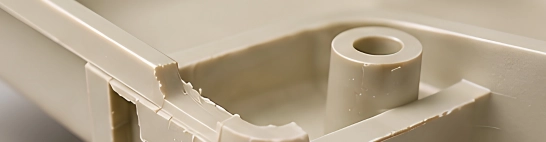
Sharp edges, burrs or flash left on moulded plastic parts
-
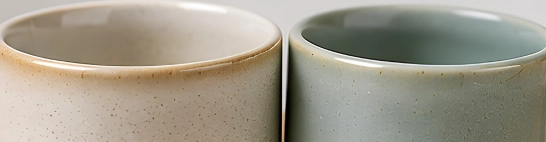
Colour or finish mismatch between pieces in the same set
-
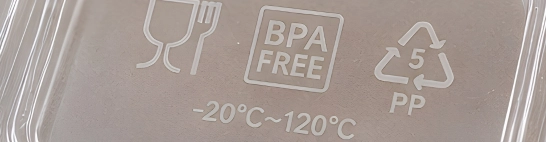
Missing or incorrect food-contact safety markings
-
Insufficient cushioning causing transit damage
-
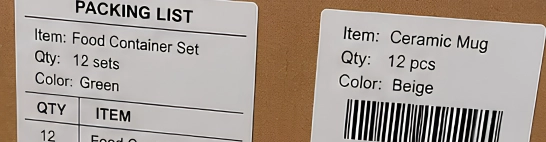
Cartons that do not match the labelling or packing list
Which Inspection Stage Do You Need?
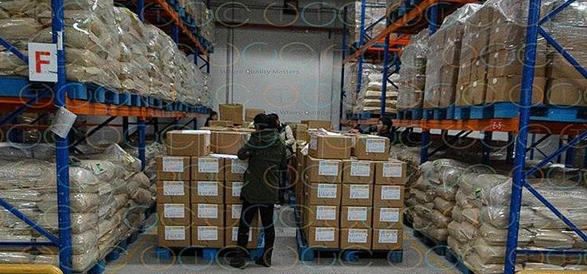
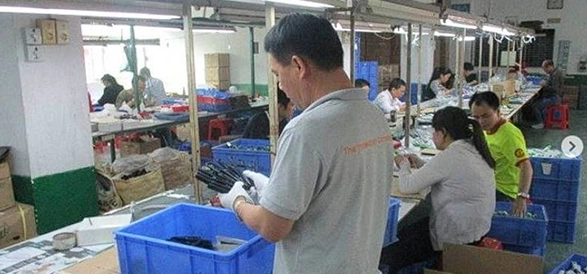
Household goods problems are cheapest to fix early. Most buyers combine two or more of these across a production run.

Everything You Need to Know About Household Goods Inspection
Still unsure about scope or timing? Talk to us — we will tell you what a given order actually needs.
What kinds of household goods do you inspect?
Do you check food-contact safety?
How quickly do I get the report?
How much does a household goods inspection cost?
Do you inspect against my own checklist?
Which countries can you inspect household goods in?
Ready to secure your supply chain?
Our experts in Asia provide professional, fast-response solutions for your inspection and audit needs.