
Seafood Inspection Services
Independent, third-party quality control for seafood. We check freshness and sensory condition, size grading, net weight and glaze percentage, core temperature, labelling, packing, pallet build and reefer loading before your product leaves the plant.
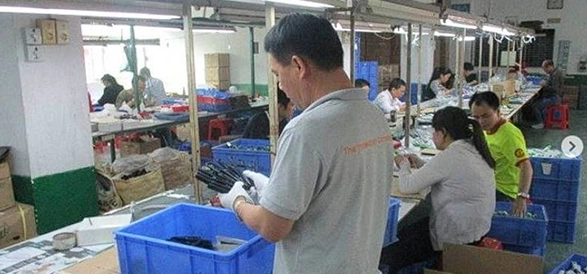
- On-site inspection at your processing plant or cold store
- Photo-backed report within 24 hours of the inspection
- Inspectors available across 25+ sourcing countries
Why Seafood Needs Its Own Inspection
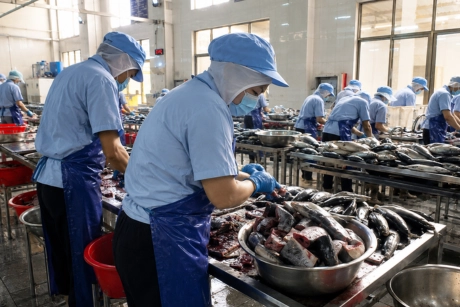
Seafood is judged on things a photo cannot show — core temperature, net weight under the glaze, odour and texture — and every one of them decides whether the lot is accepted or rejected on arrival.
Seafood is a cold-chain product before it is anything else: once a lot has been thawed, refrozen or packed warm, no amount of rework at destination will bring it back. Freshness and sensory condition, size grading, glaze percentage and the net weight underneath it, and the core temperature at loading all have to sit inside the tolerance your buyer has set. An on-site inspection weighs, thaws and grades samples from the packed lot against your specification, and checks how it is palletised and loaded — while the plant can still re-grade, re-glaze or re-pack.
Every Seafood Category, Its Own Checklist
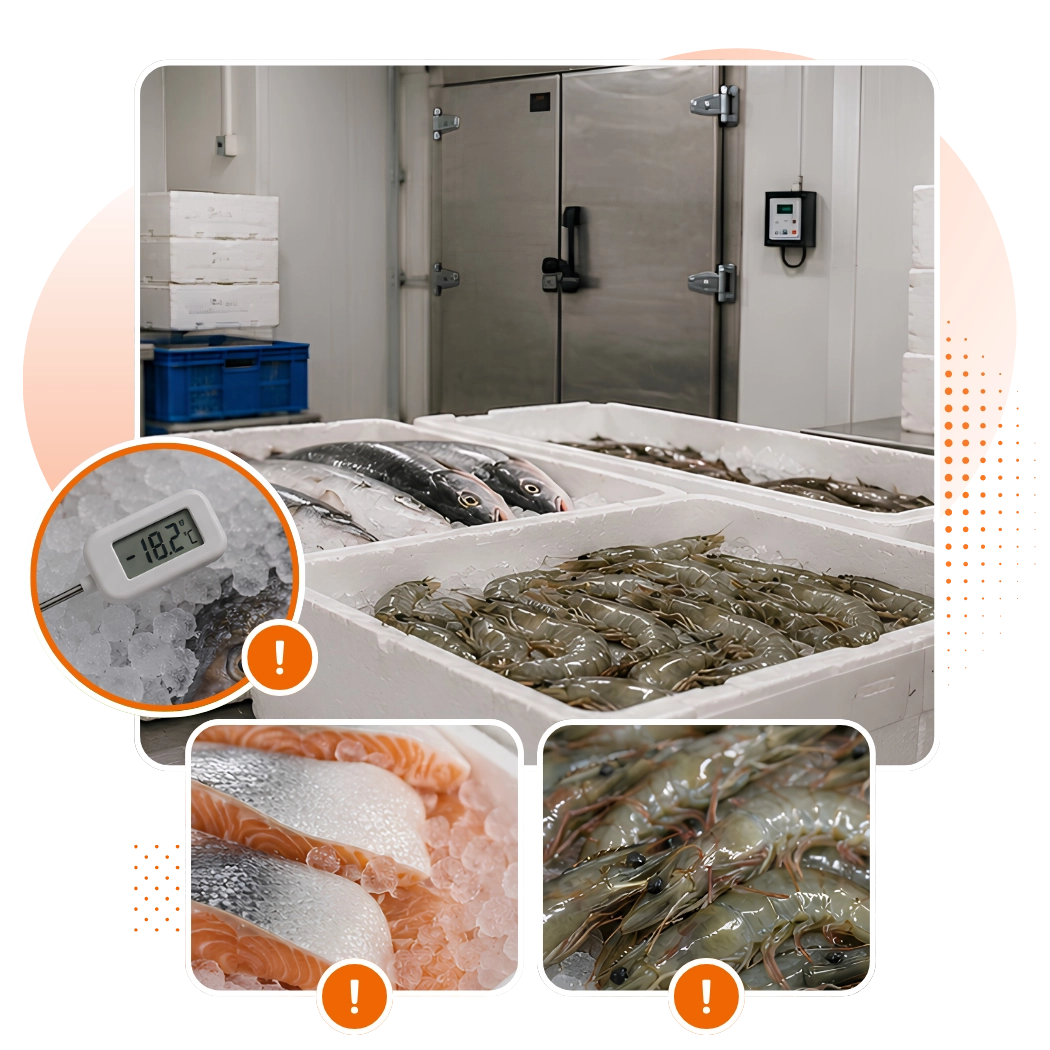
A block of frozen fillets and a case of live-chilled shellfish fail in completely different ways. Our inspectors work to the checklist that matches what you are actually shipping.
- Freshness and sensory condition
- Bone, scale and skin removal
- Trim, cut and fillet shape
- Parasite and blood spot check
- Count per pound or kilo
- Deveining and peeling standard
- Melanosis and discolouration
- Broken and damaged pieces
- Size and grade uniformity
- Cleaning and shell condition
- Texture and firmness
- Sand, grit and foreign matter
- Coating and batter pick-up
- Piece weight consistency
- Seam, seal and pack integrity
- Declared ingredients on pack
What We Check
Every inspection is set up against your own specification and your buyer’s grade standard. A typical seafood checklist covers:
-
Species and origin lot identity against the packing list and paperwork
-
Core temperature and cold-chain condition at the time of inspection
-
Net weight, drained weight and glaze percentage after controlled thawing
-
Freshness and sensory condition appearance, odour, colour and texture
-
Size grading and count per pack against the agreed grade standard
-
Labelling, date coding, traceability marks and carton markings
-
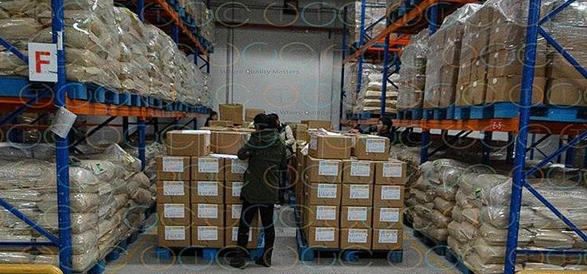
Inner packs, master cartons and pallet build for transit protection
-
Quantity verification and AQL sampling on the packed lot
Whether you need a one-off pre-shipment check or ongoing oversight across a full season, we build the checklist around your specification and your buyer’s grade standard.
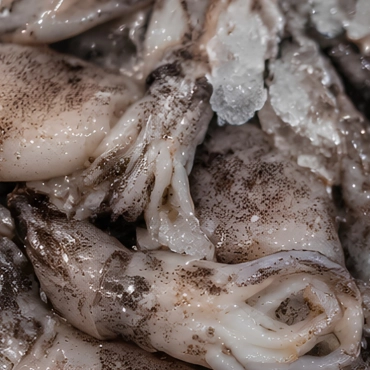

Defects We Catch Before the Reefer Doors Close
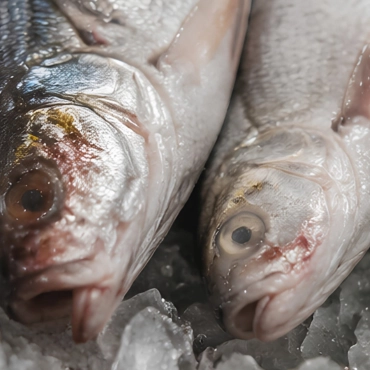
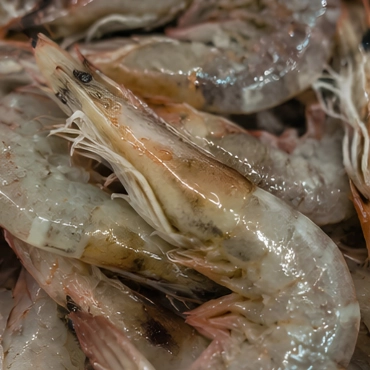
These are the findings that most often turn into claims, rejected lots or a load that fails inspection at destination when nobody looks before loading.
-
Core temperature outside the agreed range at the time of loading

-
Excess glazing counted as product, leaving net weight short

-
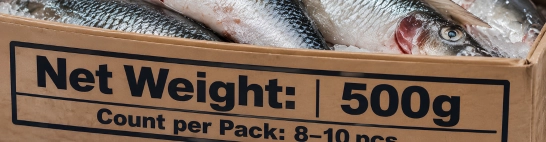
Net weight or count per pack below the declared specification
-
Colour, texture and freshness grades mixed within the same lot
-
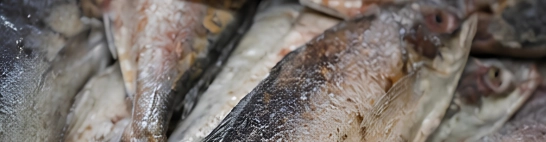
Dehydration, freezer burn or heavy ice crystals from temperature swings
-
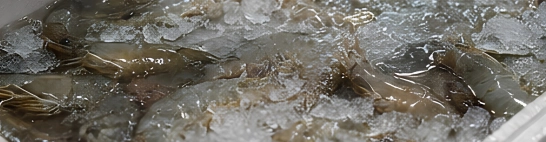
Off odour, discolouration or signs of decomposition in the sampled units

-
Size grading that does not match the count printed on the pack
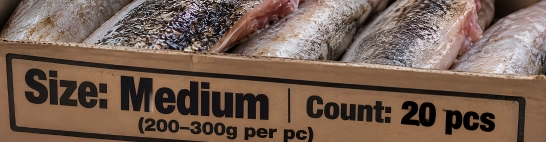
-
Crushed, damp or under-filled master cartons and unstable pallets
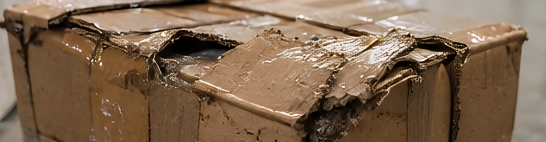
-
Labels, date codes or traceability marks missing or incorrect

Which Inspection Stage Do You Need?
Seafood problems are cheapest to fix before the lot is frozen and palletised. Most buyers combine two or more of these across a season.
Everything You Need to Know About Seafood Inspection
Still unsure about scope or timing? Talk to us — we will tell you what a given lot actually needs.
What kinds of seafood do you inspect?
Do you check net weight and glazing?
How quickly do I get the report?
How much does a seafood inspection cost?
Which countries can you inspect seafood in?
Can you supervise the reefer loading as well?
Ready to secure your supply chain?
Our experts in Asia provide professional, fast-response solutions for your inspection and audit needs.