
Footwear Inspection Services
Independent, third-party quality control for footwear. We check upper and sole construction, sizing, colour, bonding strength, hardware and packing before the order leaves the factory.
- On-site inspection at your supplier’s factory
- Photo-backed report within 24 hours of the inspection
- Inspectors available across 25+ sourcing countries
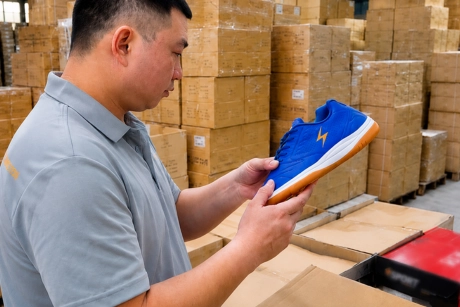
Why Footwear Needs Its Own Inspection
A weak bond between upper and sole looks fine on the shelf and fails the first time a customer walks in the shoe.
A shoe is a construction of parts bonded and stitched under pressure, so most of what makes it good or bad — bonding strength, sizing accuracy across the run, sole flex, colour match between the upper and the sole unit — cannot be judged from a photo. It has to be measured and, in the case of bond strength, sometimes pulled apart on a sample pair. An on-site inspection checks a statistical sample of the finished, packed pairs against your tech pack and approved sample before the order ships, so a construction fault is caught at the factory, not in a customer return.
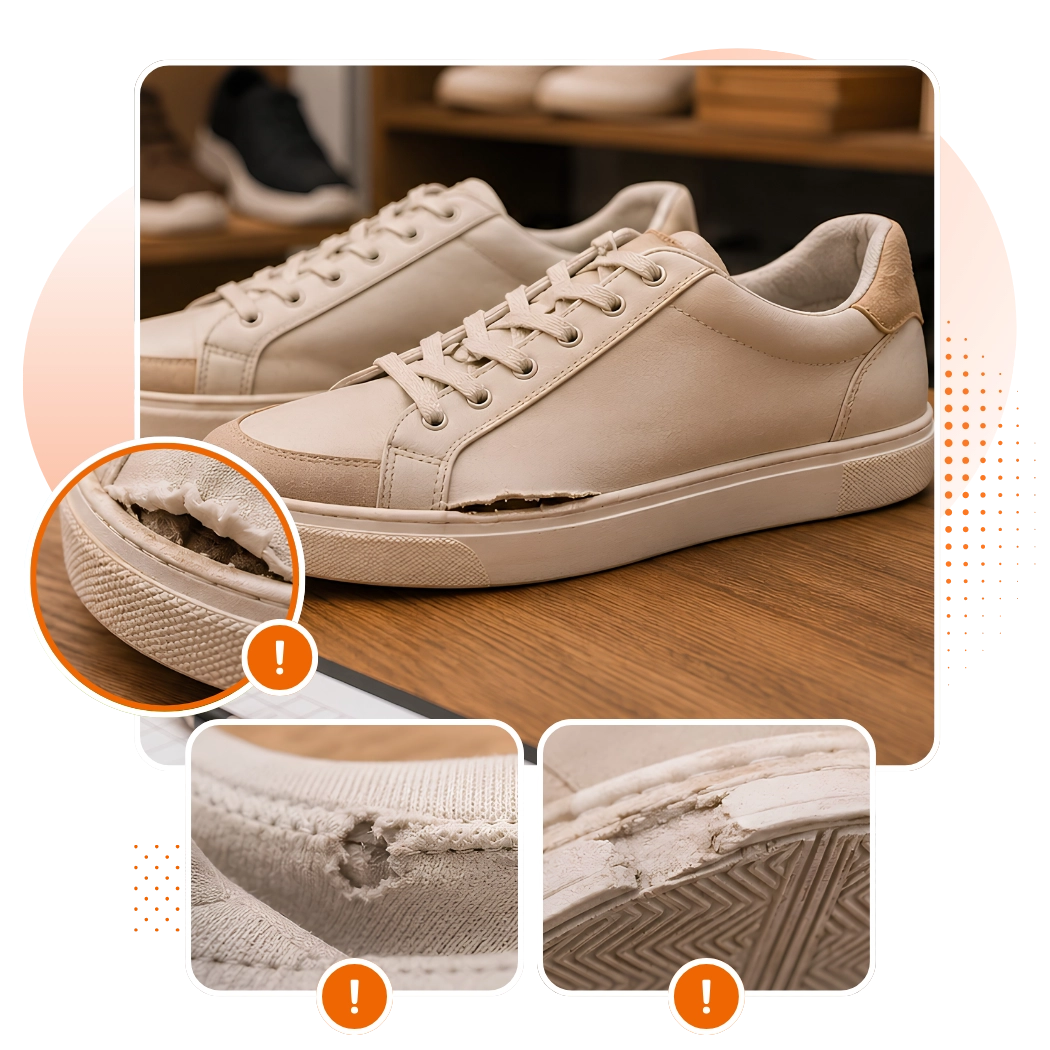
Every Footwear Category, Its Own Checklist
A running shoe and a leather dress shoe fail in completely different ways. Our inspectors work to the checklist that matches what you are actually making.
- Upper-to-sole bond strength
- Stitching and overlay attachment
- Eyelet and lace hardware
- Sole flex and outsole tread wear
- Leather grain, colour and finish consistency
- Stitching and edge finishing
- Heel attachment and stability
- Lining and insole quality
- Waterproofing and seam sealing
- Shaft construction and zipper function
- Sole bonding and slip resistance
- Reinforcement at toe and heel
- Strap attachment strength
- Buckle and adjuster function
- Footbed cushioning and finish
- Colour match across components
What We Check
Every inspection is set up against your tech pack and approved sample. A typical footwear checklist covers:
-
Sizing accuracy against the size spec, on a sample pulled across the size run
-
Upper-to-sole bonding strength and pull test
-
Stitching, overlay attachment and edge finishing
-
Colour match to the approved swatch under standard light
-
Hardware eyelets, buckles, zips and adjusters
-
Labelling, size marking and country-of-origin accuracy
-
AQL sampling for construction, colour and finish across the lot
-
Shoe box, tissue packing and carton packing against the packing list
Whether you need a one-off pre-shipment check or ongoing oversight across a footwear programme, we build the checklist around your tech pack and your buyer’s standards.
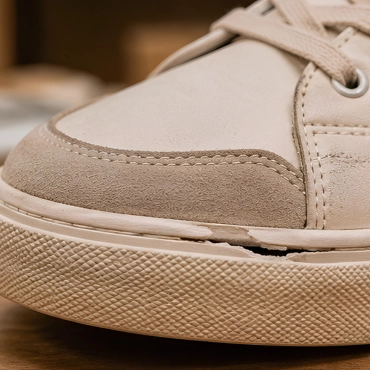
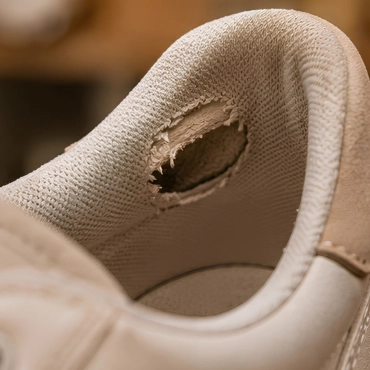
Defects We Catch Before the Order Ships
These are the findings that most often turn into returns, chargebacks or a rejected shipment when nobody looks before packing.
-
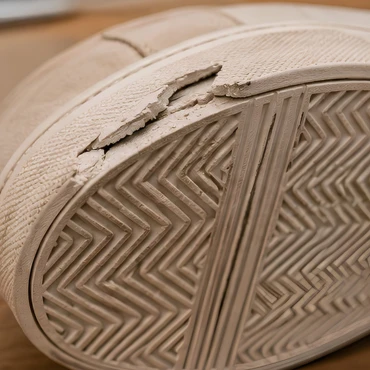
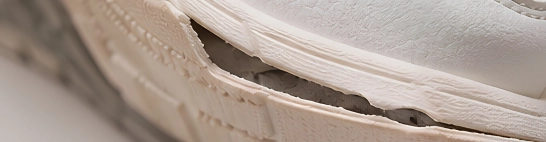
Weak upper-to-sole bonding that opens under a pull test
-
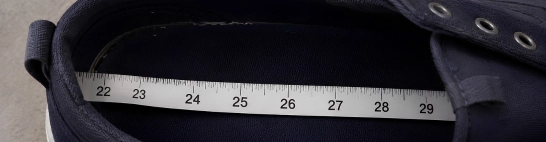
Sizing outside the size spec tolerance
-
Skipped, loose or crooked stitching on uppers and overlays
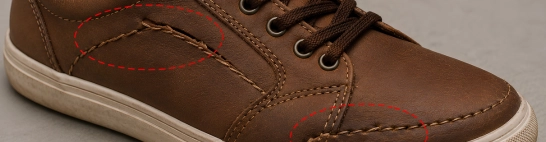
-
Colour mismatch between the upper, sole and trims
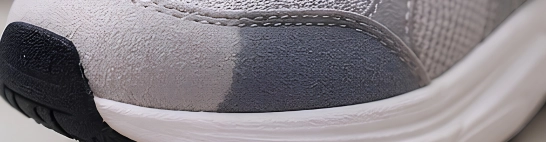
-
Faulty eyelets, buckles or zipper hardware
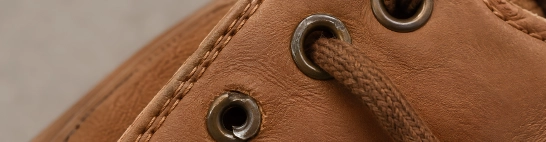
-
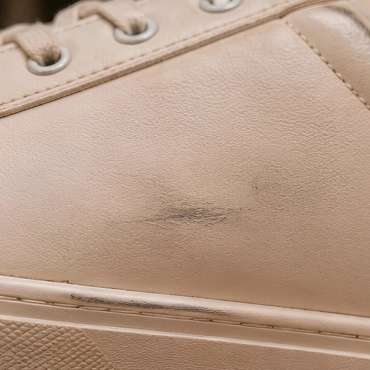
Glue residue, marks or stains visible on the finished shoe
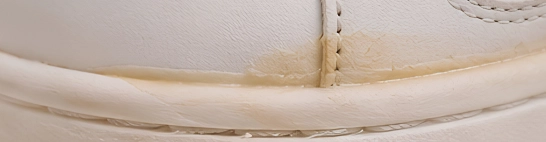
-
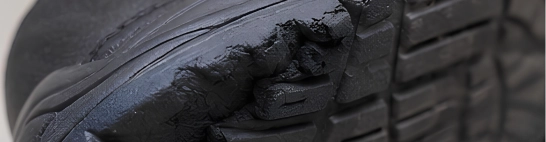
Sole delamination or uneven tread
-
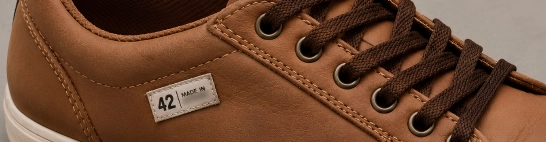
Wrong size marking or missing country-of-origin label
-
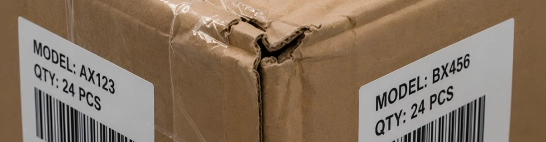
Cartons that do not match the labelling or packing list
Which Inspection Stage Do You Need?
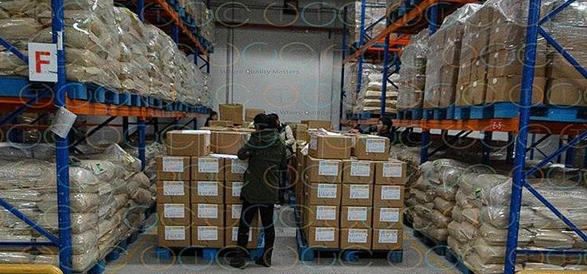
Footwear problems are cheapest to fix before the whole order is lasted and bonded. Most buyers combine two or more of these across a production run.
Everything You Need to Know About Footwear Inspection
Still unsure about scope or timing? Talk to us — we will tell you what a given order actually needs.
What kinds of footwear do you inspect?
Do you test the bond between the upper and the sole?
How quickly do I get the report?
How much does a footwear inspection cost?
Do you inspect against my own checklist?
Which countries can you inspect footwear in?
Ready to secure your supply chain?
Our experts in Asia provide professional, fast-response solutions for your inspection and audit needs.