
Jewelry Inspection Services
Independent, third-party quality control for jewelry. We check stone setting, plating and finish, clasps and closures, weight, hallmarking and packing before the order leaves the factory.
- On-site inspection at your supplier’s factory
- Photo-backed report within 24 hours of the inspection
- Inspectors available across 25+ sourcing countries
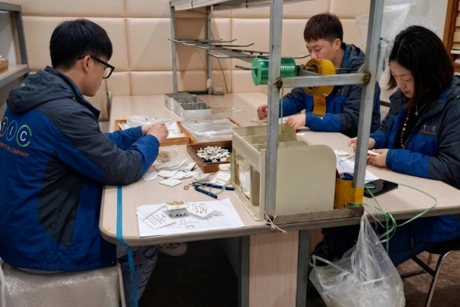
Why Jewelry Needs Its Own Inspection
A loose stone or a clasp that fails is a fault a customer only discovers when the piece is already on, and by then it is a lost sale, not a fix.
Jewelry is small, high-value and worn against the skin, so faults that would be minor elsewhere — a stone set slightly off, plating that has not fully covered the base metal, a clasp that does not hold under normal wear — are not acceptable here. Weight, stone count, plating thickness and closure function all have to match your specification and approved sample, not just look right in a photo. An on-site inspection checks a sample of the finished, packed pieces against your specification before the order ships, so a fault is caught at the factory, not against a customer’s skin.
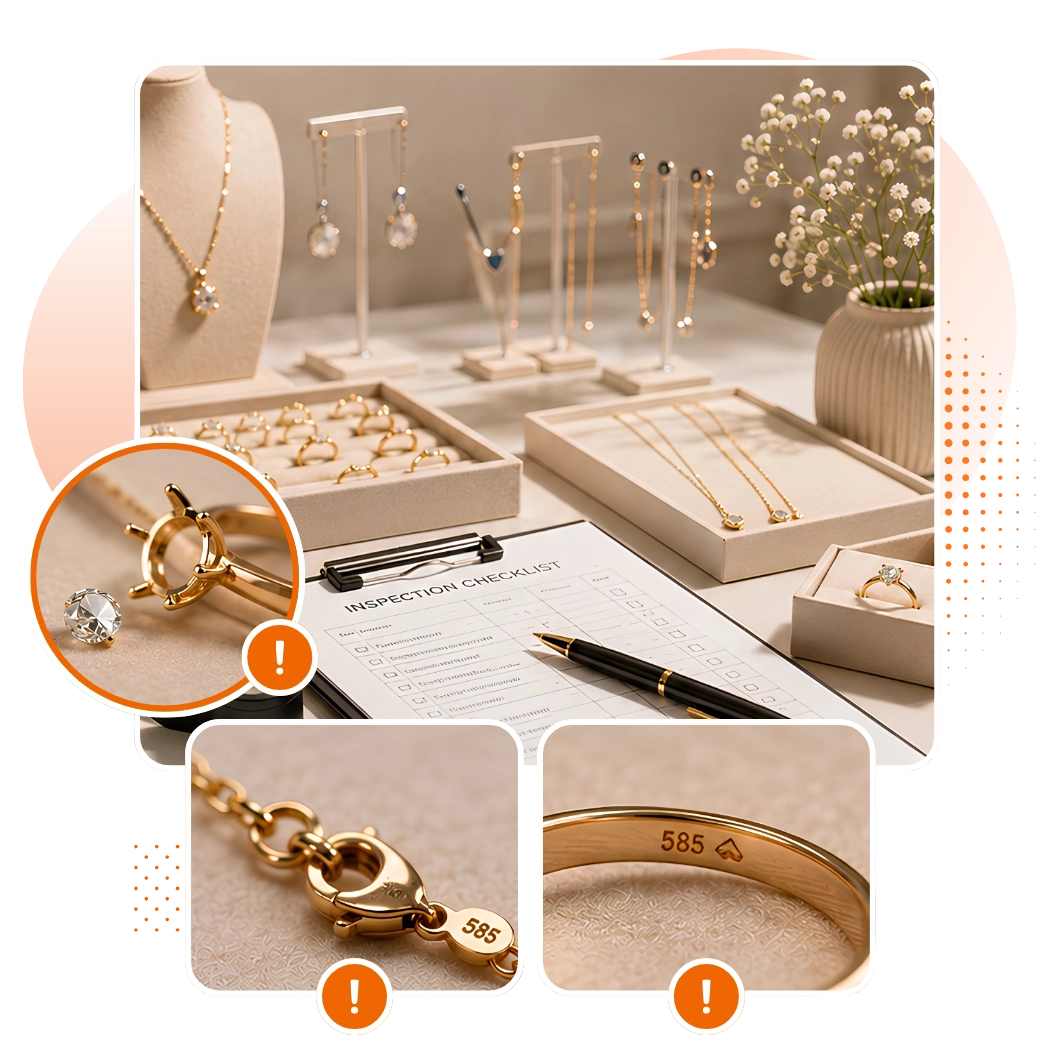
Every Jewelry Category, Its Own Checklist
A gemstone ring and a plated fashion necklace fail in completely different ways. Our inspectors work to the checklist that matches what you are actually making.
- Stone setting security and alignment
- Metal purity and hallmarking
- Weight against the specification
- Prong, bezel and clasp integrity
- Plating thickness and coverage
- Colour and finish consistency
- Base metal for allergenic content
- Clasp and closure function
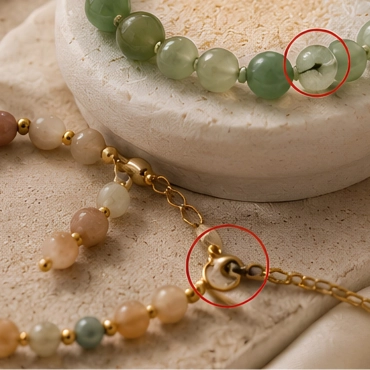
- Stringing tension and knot security
- Bead consistency and finish
- Clasp attachment strength
- Colour match across a strand
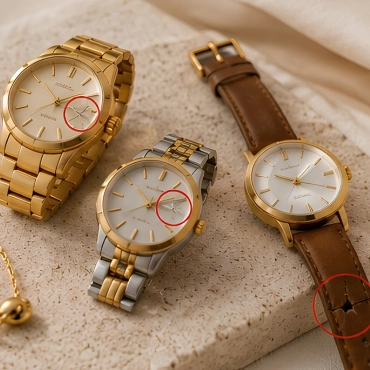
- Case and strap finish
- Clasp, buckle and adjuster function
- Water resistance where specified
- Movement function and accuracy
What We Check
Every inspection is set up against your own specification and approved sample. A typical jewelry checklist covers:
-
Stone setting security, alignment and count against the specification
-
Plating thickness, coverage and colour match
-
Weight verification against the approved specification
-
Clasp, closure and moving-part function
-
Hallmarking, stamping and metal purity documentation
-
Surface finish polish, texture and visible defects
-
Labelling, tagging and carton markings
-
Packaging, cushioning and quantity verification against the packing list
Whether you need a one-off pre-shipment check or ongoing oversight across a jewelry programme, we build the checklist around your specification and your buyer’s standards.
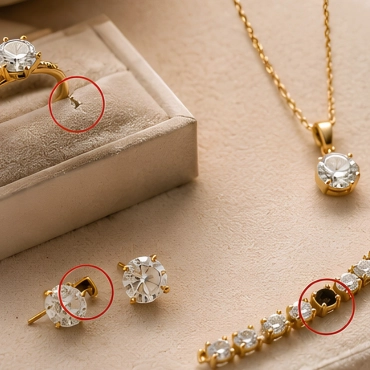
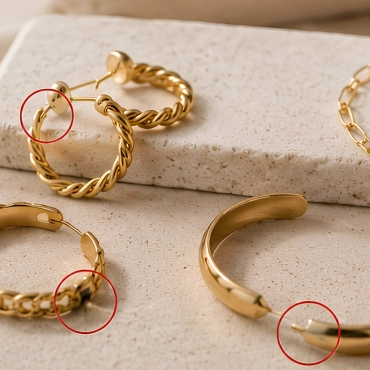
Defects We Catch Before the Order Ships
These are the findings that most often turn into returns, claims or a rejected shipment when nobody looks before packing.
-
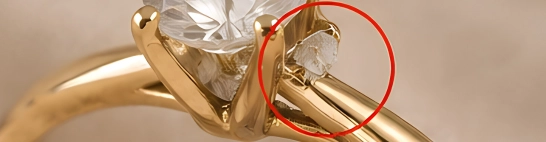
Loose, misaligned or missing stones
-
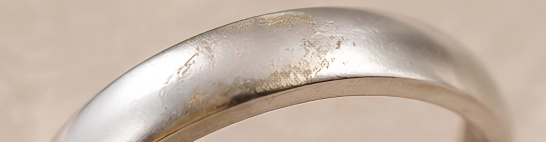
Plating that has worn through or does not fully cover the base metal

-
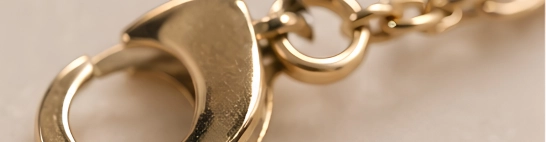
Clasps and closures that do not hold securely
-
Weight outside the tolerance of the approved specification

-
Discolouration, tarnishing or oxidation on the finished piece
-
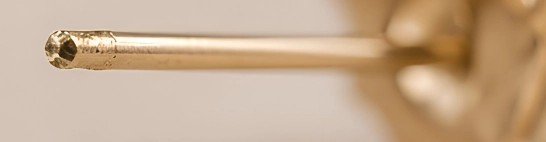
Sharp prongs, burrs or unfinished edges
-
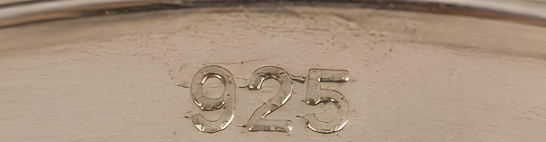
Incorrect or missing hallmarking and metal purity stamps
-
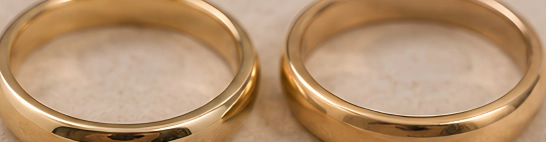
Colour or finish mismatch between pieces in the same set
-
Cartons that do not match the labelling or packing list
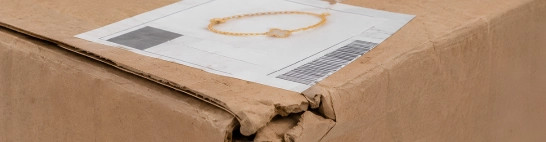
Which Inspection Stage Do You Need?
Jewelry problems are cheapest to fix early. Most buyers combine two or more of these across a production run.
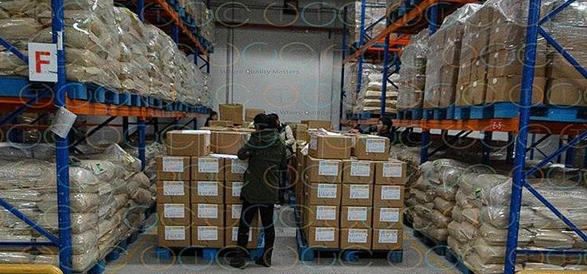
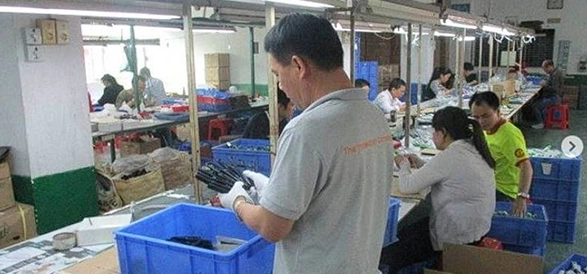

Everything You Need to Know About Jewelry Inspection
Still unsure about scope or timing? Talk to us — we will tell you what a given order actually needs.
What kinds of jewelry do you inspect?
Do you verify metal purity and hallmarking?
How quickly do I get the report?
How much does a jewelry inspection cost?
Do you inspect against my own checklist?
Which countries can you inspect jewelry in?
Ready to secure your supply chain?
Our experts in Asia provide professional, fast-response solutions for your inspection and audit needs.