
Fresh Fruit Inspection Services
Independent, third-party quality control for fresh fruit. We check maturity, size and colour grading, weight, defect rate, pulp temperature, labelling, packing, pallet build and reefer loading before your fruit leaves the packhouse.
- On-site inspection at your packhouse or cold store
- Photo-backed report within 24 hours of the inspection
- Inspectors available across 25+ sourcing countries
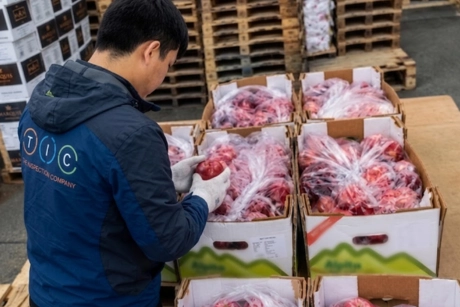
Why Fresh Fruit Needs Its Own Inspection
Fruit keeps changing after it leaves the packhouse — a lot that is only slightly over-mature at loading can arrive unsellable, and by then there is nothing left to inspect.
Fresh fruit is graded, not manufactured: the same orchard can pack fruit that passes and fruit that fails in the same week, so every lot has to be judged on the day it ships. Maturity, size and colour grading, external blemishes, internal condition and pulp temperature all sit inside a tolerance your buyer has set, and none of them can be confirmed from a photo. An on-site inspection samples the packed lot, cuts and measures fruit against your specification, and checks how it is palletised and loaded — while the packhouse can still re-grade or re-pack.
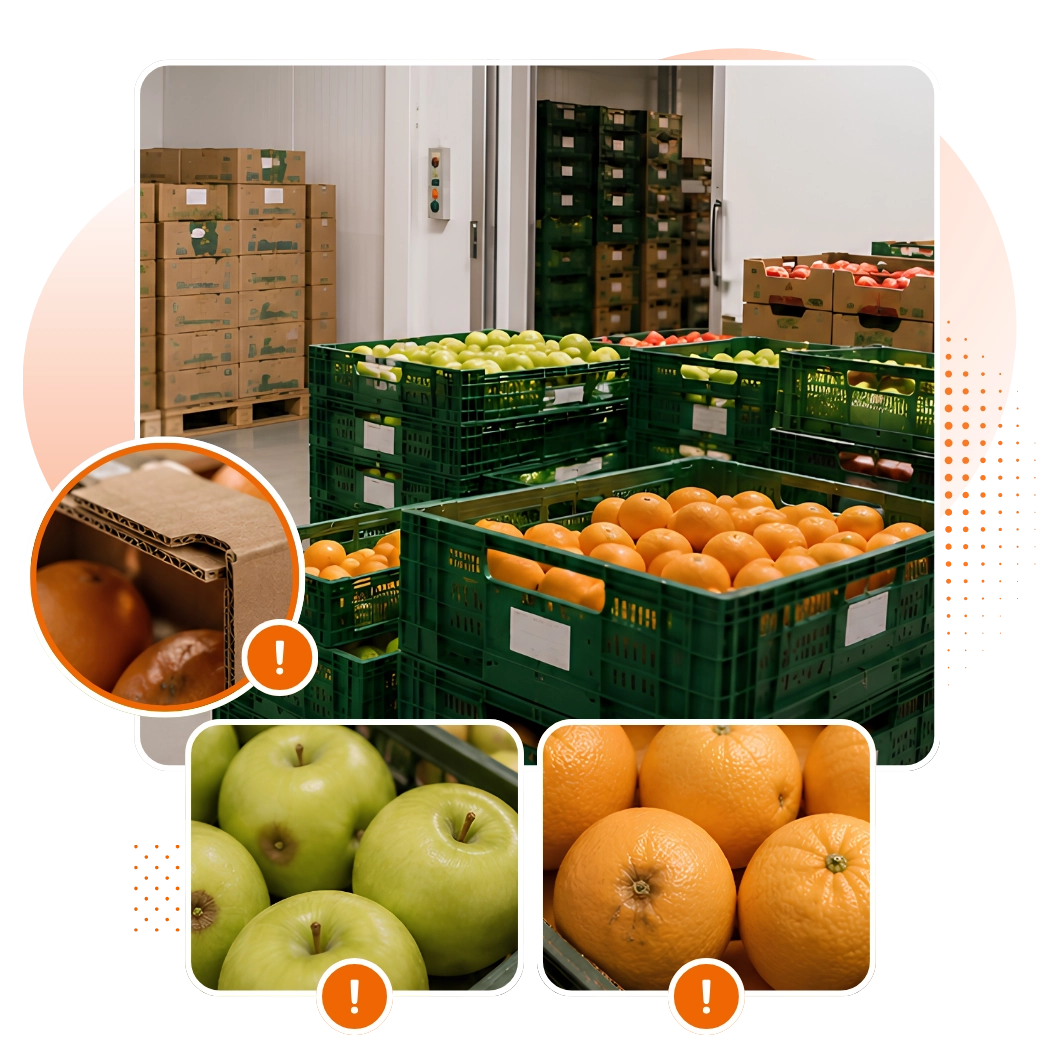
Every Fruit Category, Its Own Checklist
A banana lot and a table-grape lot fail in completely different ways. Our inspectors work to the checklist that matches what you are actually shipping.
- Maturity and colour stage
- Latex and sap staining
- Bruising and soft spots
- Crown and stem condition
- Brix and juice content sampling
- Rind blemish and scarring
- Granulation and dryness
- Decay and mould
- Firmness readings
- Internal browning
- Russeting and hail marks
- Stem and calyx condition
- Berry size and shatter
- Stem dehydration
- Mould and decay
- Pad and liner placement
What We Check
Every inspection is set up against your own specification and your buyer’s grade standard. A typical fresh fruit checklist covers:
-
Variety and origin lot identity against the packing list and paperwork
-
Maturity and internal quality colour stage, firmness, brix and cut sampling
-
Size, weight and count grading against the agreed grade standard
-
External defects bruising, blemish, scarring, decay and pest damage
-
Pulp temperature and cold-chain condition at the time of loading
-
Labelling, date coding, traceability marks and carton markings
-
Cartons, liners, pads and pallet build for transit protection
-
Quantity verification and AQL sampling on the packed lot
Whether you need a one-off pre-shipment check or ongoing oversight across a whole season, we build the checklist around your specification and your buyer’s grade standard.
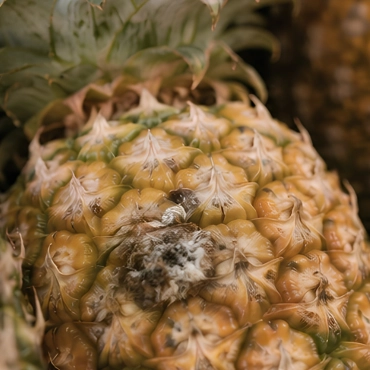
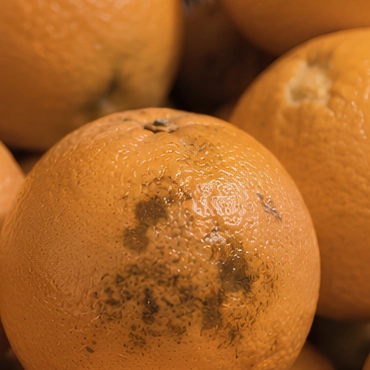
Defects We Catch Before the Reefer Doors Close
These are the findings that most often turn into claims, rejected lots or a load that arrives unsellable when nobody looks before loading.
-
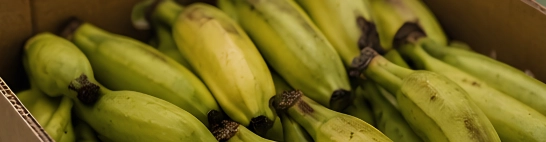
Fruit packed over- or under-mature for the transit time
-
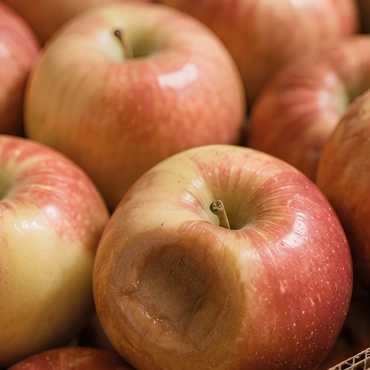
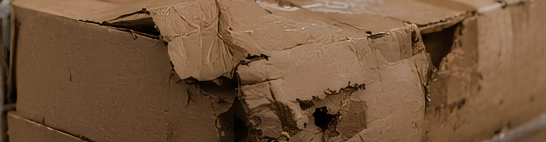
Bruising, soft spots and impact damage from rough handling

-
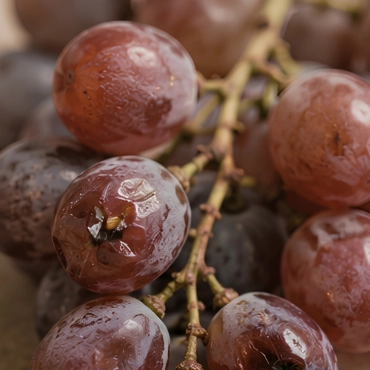
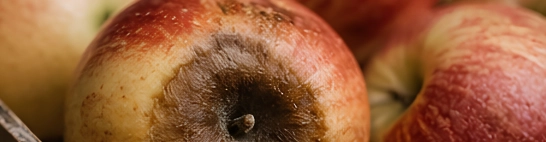
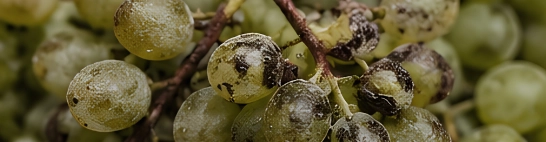
Decay or mould spreading from a few pieces through a whole carton
-
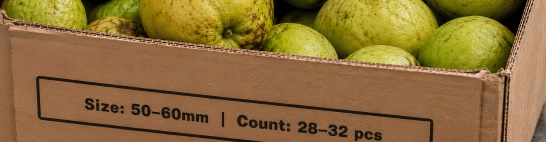
Size and count that do not match the grade printed on the carton
-
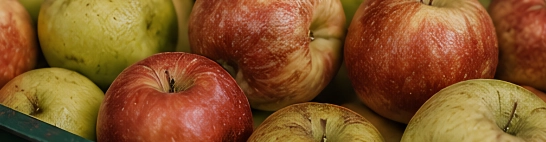
Colour and maturity stages mixed within the same pallet
-
Insect damage, latex staining or visible residue on the fruit
-
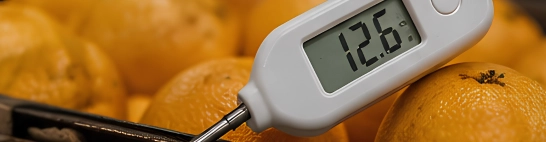
Pulp temperature outside the agreed range at the time of loading
-
Crushed, damp or under-filled cartons and unstable pallets
-
Labels, date codes or traceability marks missing or incorrect

Which Inspection Stage Do You Need?
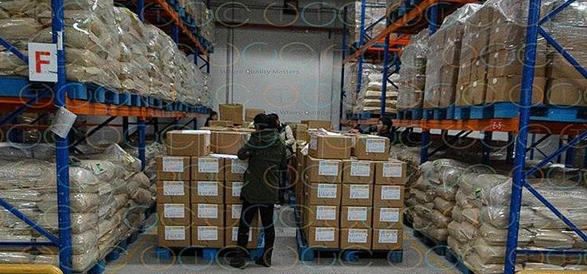
Fruit problems are cheapest to fix before the pallet is built. Most buyers combine two or more of these across a season.

Everything You Need to Know About Fresh Fruit Inspection
Still unsure about scope or timing? Talk to us — we will tell you what a given lot actually needs.
What kinds of fruit do you inspect?
How quickly do I get the report?
How much does a fresh fruit inspection cost?
Do you inspect against my own grade standard?
Which countries can you inspect fruit in?
Can you supervise the reefer loading as well?
Ready to secure your supply chain?
Our experts in Asia provide professional, fast-response solutions for your inspection and audit needs.