
Grain Inspection Services
Independent, third-party quality control for grain and cereals. We check moisture, foreign matter, broken and damaged kernels, infestation, colour and size grading, bag weight, marking and container loading before your cargo leaves the warehouse.
- On-site inspection at your mill, warehouse or loading point
- Photo-backed report within 24 hours of the inspection
- Inspectors available across 25+ sourcing countries
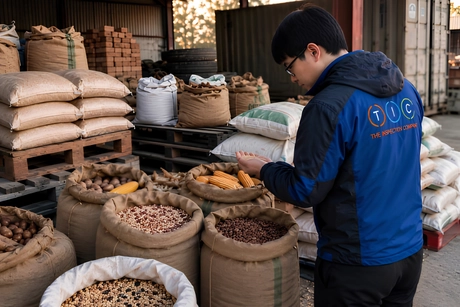
Why Grain Needs Its Own Inspection
Grain is bought on a set of measured tolerances, not on how it looks in a bag — and one wet or infested lot can spoil the cargo it is stacked with long before it reaches your customer.
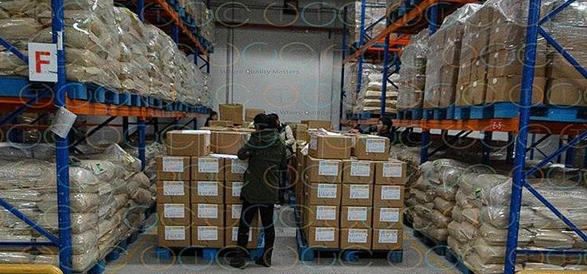
Grain moves in bulk, and a whole shipment is judged from a handful of samples: moisture, foreign matter, broken and damaged kernels, and any sign of live infestation decide whether the cargo is accepted, discounted or refused. Those figures come from how the lot is sampled, and a sample drawn badly tells you nothing about the stack it came from. An on-site inspection draws representative samples across the lot, measures them against your contract tolerances, and checks bags, weights, marking and loading — while the supplier can still re-clean, re-dry or re-bag.
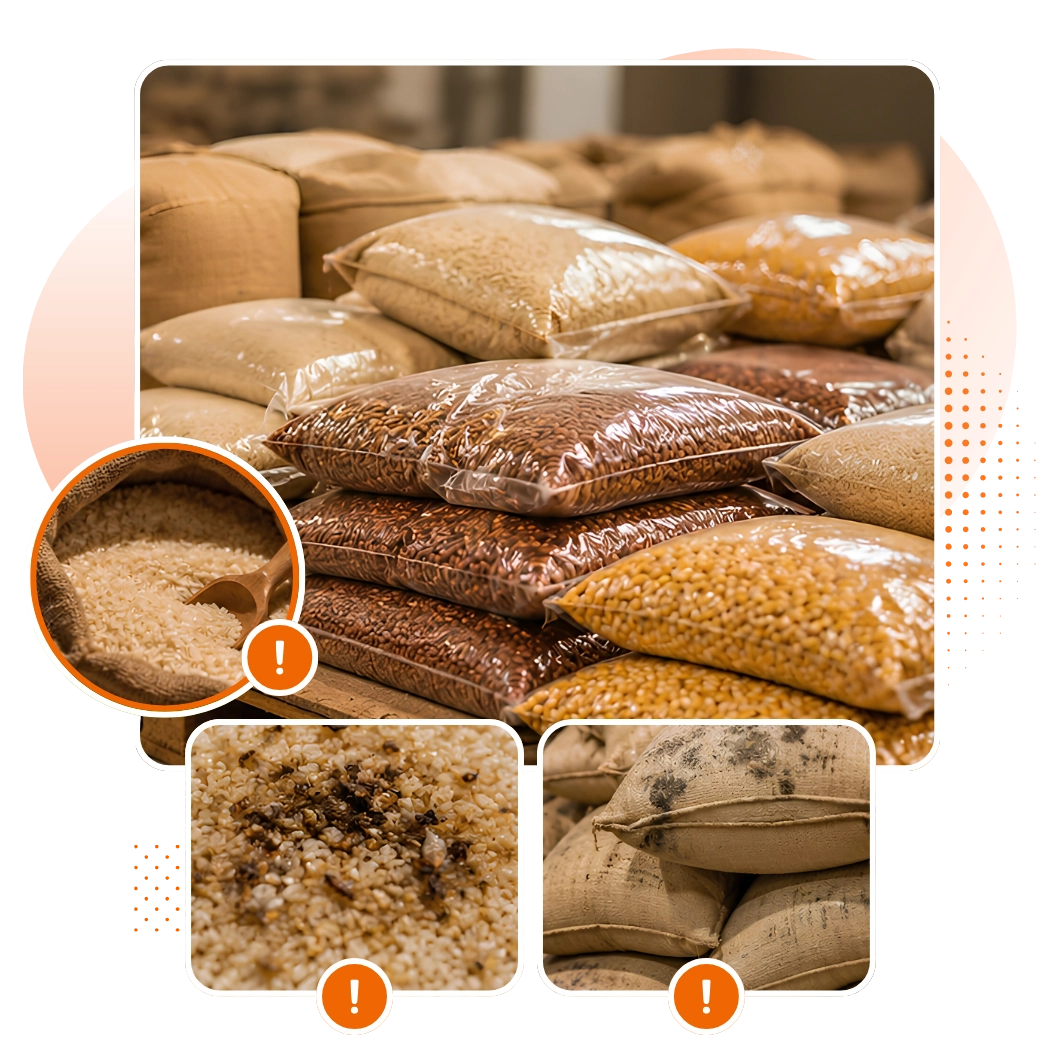
Every Grain Type, Its Own Checklist
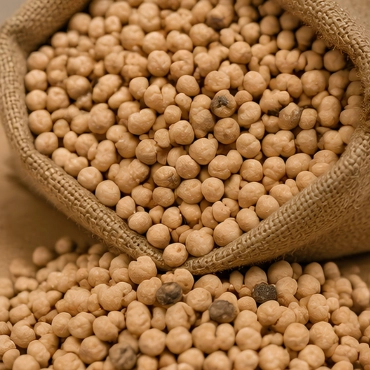
A milled rice lot and a container of raw cashew fail in completely different ways. Our inspectors work to the checklist that matches what you are actually buying.
- Broken and chalky grain percentage
- Milling degree and polish
- Length, shape and whiteness
- Admixture of other varieties
- Moisture and test weight
- Damaged and shrivelled kernels
- Foreign matter and other grains
- Mould and heat damage
- Size and colour uniformity
- Splits, wrinkles and shrivelled seed
- Stones, chaff and dust
- Insect-damaged seed
- Bag weight and stitching
- Bag condition and moisture stains
- Marking and lot identification
- Liner, pallet and stack condition
What We Check
Every inspection is set up against your own contract specification and your buyer’s requirements. A typical grain checklist covers:
-
Variety and origin lot identity against the contract and packing list
-
Moisture content measured on representative samples across the lot
-
Bag and lot weight against the declared net weight
-
Visual grading colour, size, broken, damaged and immature kernels
-
Foreign matter, stones, chaff, dust and admixture of other grains
-
Marking, lot codes, bag printing and shipping marks
-
Bag condition, stitching, liners and stack or pallet build
-
Quantity verification and sampling in line with the agreed plan
Whether you need a one-off pre-shipment check or ongoing oversight across a full harvest season, we build the checklist around your contract specification and your buyer’s requirements.
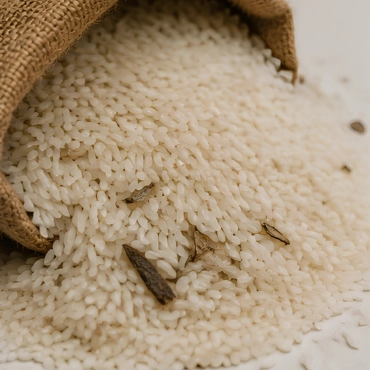
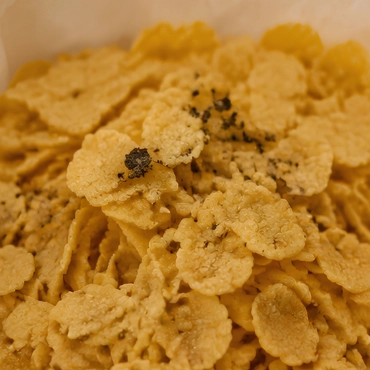
Defects We Catch Before the Container Closes
These are the findings that most often turn into claims, discounts or a rejected cargo when nobody samples the lot before loading.
-
Moisture above the agreed limit, with caking or condensation risk in transit
-
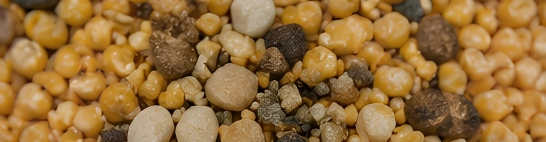
Foreign matter, stones, chaff or dust beyond the contract tolerance
-
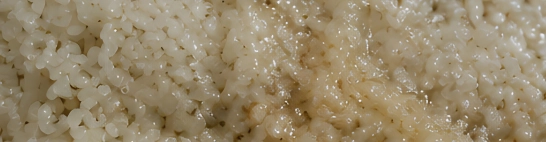
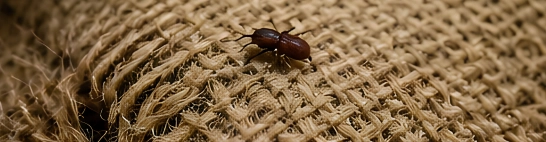
Live insects, webbing or other signs of active infestation in the stack
-
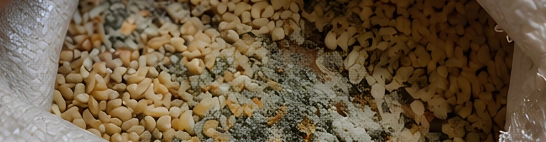
Mould growth, musty odour or heat-damaged grain inside the bags
-
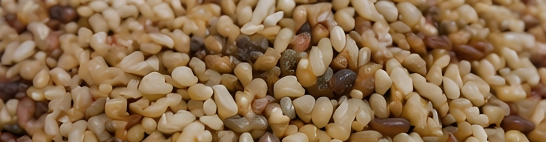
Colour, size and grade visibly mixed within the same lot
-
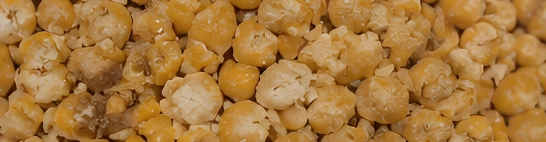
Broken, immature or shrivelled kernels above the agreed percentage
-
Bag weight below the declared net weight across sampled bags

-
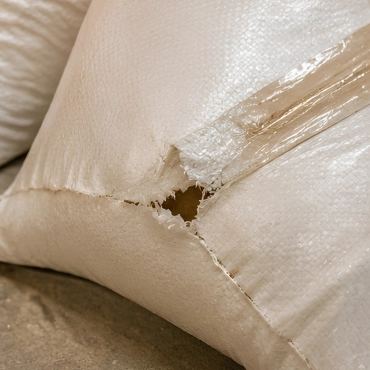
Torn, damp, restitched or poorly closed bags in the stack

-
Shipping marks, lot codes or bag printing missing or incorrect

Which Inspection Stage Do You Need?
Grain problems are cheapest to fix while the lot is still in the warehouse. Most buyers combine two or more of these across a harvest season.
Everything You Need to Know About Grain Inspection
Still unsure about scope or timing? Talk to us — we will tell you what a given cargo actually needs.
What kinds of grain do you inspect?
How do you take samples?
Do you measure moisture on site?
How much does a grain inspection cost?
Which countries can you inspect grain in?
Can you supervise the container loading as well?
Ready to secure your supply chain?
Our experts in Asia provide professional, fast-response solutions for your inspection and audit needs.