
Fabric Inspection Services
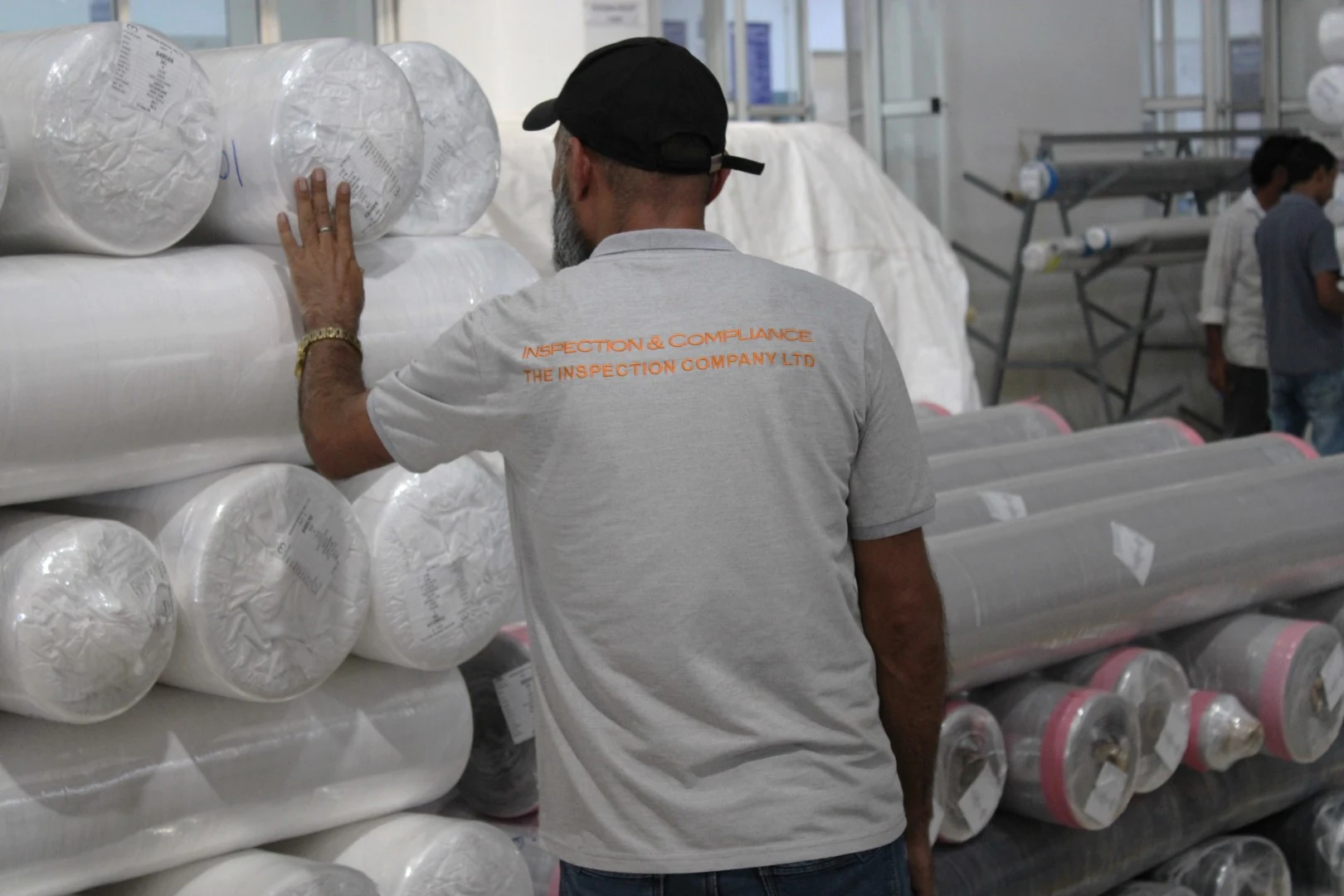
Independent, third-party quality control for fabric and textile rolls. We check GSM, width, colour, construction, shrinkage, defect rate and packing before the rolls leave the mill.
- On-site inspection at your mill or finishing plant
- Photo-backed report within 24 hours of the inspection
- Inspectors available across 25+ sourcing countries
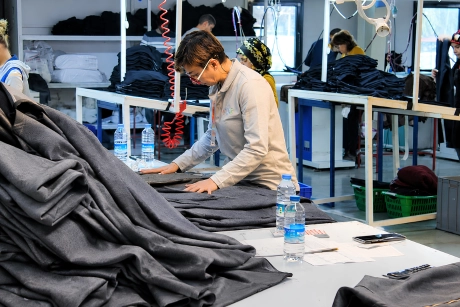
Why Fabric Needs Its Own Inspection
A fabric fault rarely shows up until the roll is already on the cutting table — by then the loss is the whole garment run, not just the metre of cloth.
Fabric is a raw material, not a finished product, so it is judged against a technical specification rather than a look-and-feel sample: GSM, width, shrinkage, colourfastness and a point-graded defect rate all have to sit inside tolerance before the roll is approved to cut. Most of that cannot be checked from a photo or a swatch card. An on-site inspection measures and grades the actual rolls against your specification before they are packed and shipped, so an off-spec batch is caught at the mill, not on the cutting floor.
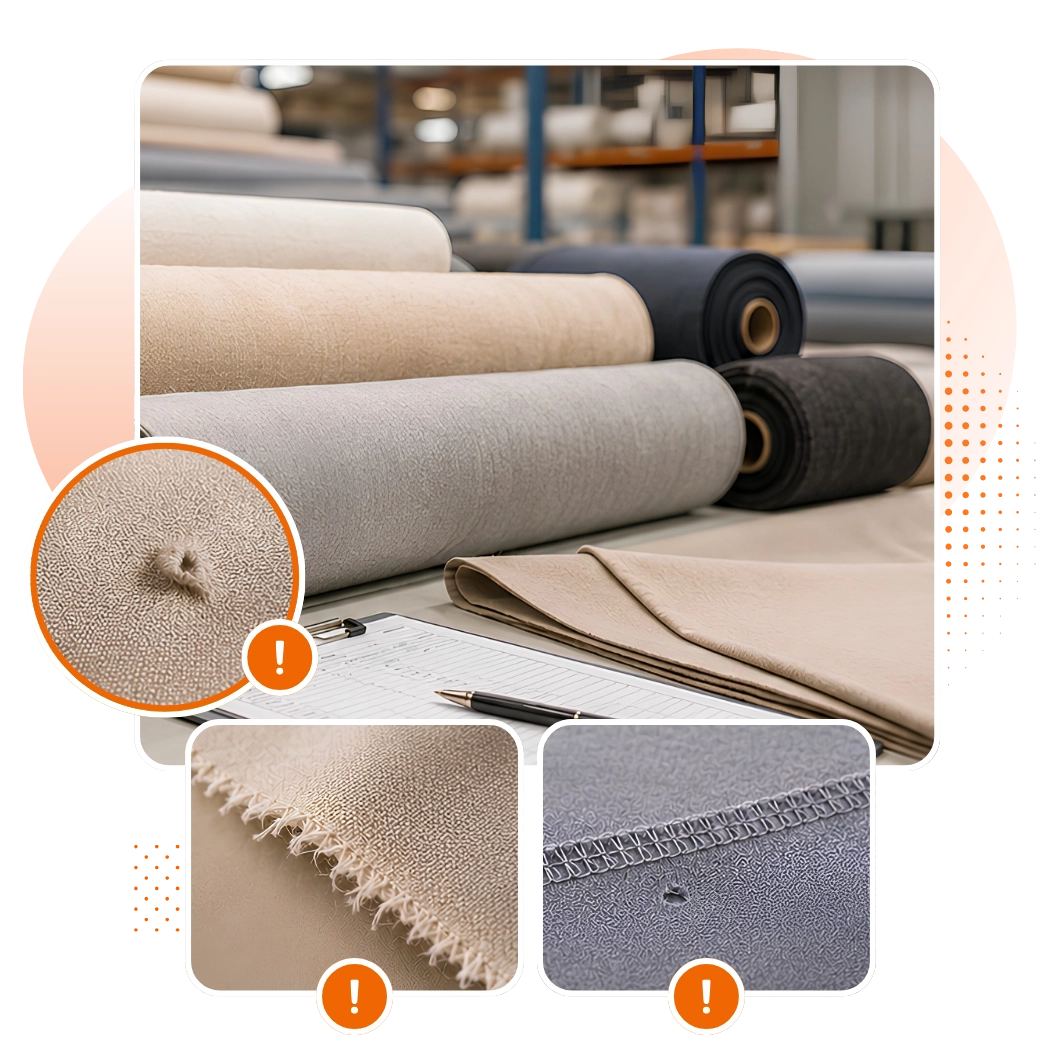
Every Fabric Type, Its Own Checklist
A woven shirting and a circular-knit jersey fail in completely different ways. Our inspectors work to the checklist that matches what you are actually buying.
- Weave density and construction
- Skew and bow
- Slubs, knots and weaving faults
- Selvedge condition
- Course and wale count
- Holes, drop stitches and runs
- Stretch and recovery
- Barré and shade banding
- Weight and warp/weft count
- Wash and shrinkage tolerance
- Slasher and dye streaks
- Stretch recovery on comfort denim
- Coating and lamination adhesion
- Waterproof and breathability rating
- Delamination and bubbling
- Roll edge and core condition
What We Check
Every inspection is set up against your own specification and approved lab dip or swatch. A typical fabric checklist covers:
-
GSM and width against the approved specification
-
Colour match to the lab dip or approved swatch under standard light
-
Shrinkage and dimensional stability after wash
-
Point-graded defect count on a 4-point or 10-point system
-
Construction weave or knit density, yarn count and twist
-
Colourfastness to rubbing, washing and light
-
Roll length, weight and put-up against the packing list
-
Labelling, roll tagging and carton markings
Whether you need a one-off pre-shipment check or ongoing oversight across a fabric programme, we build the checklist around your specification and your buyer’s standards.
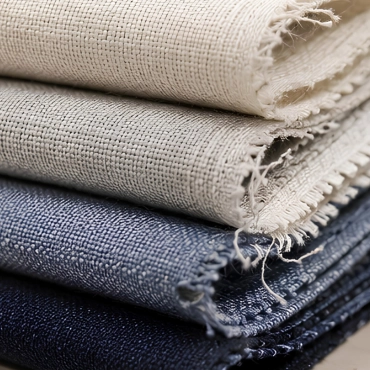
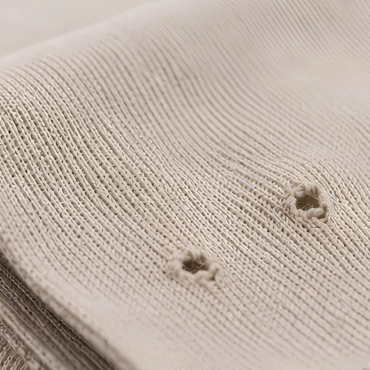
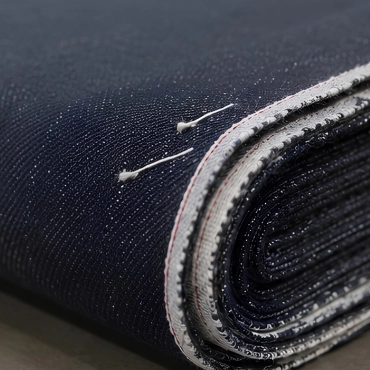
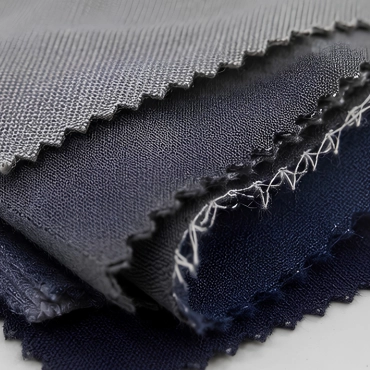
Defects We Catch Before the Rolls Ship
These are the findings that most often turn into cutting losses, rework or a rejected lot when nobody looks before the rolls are packed.
-
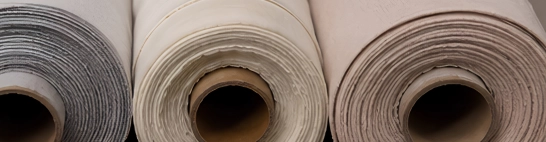
Shade variation between rolls in the same dye lot
-
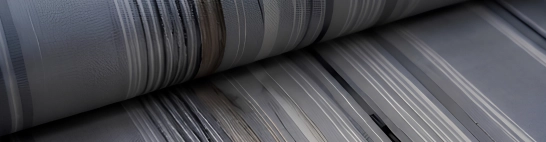
Barré, streaks or banding running across the width
-
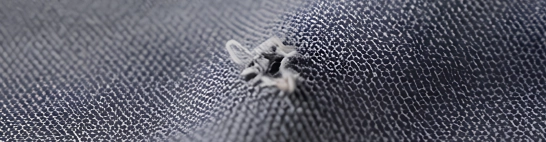
Holes, thin places, slubs and weaving or knitting faults
-
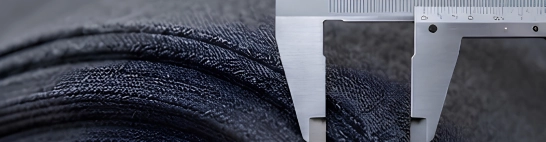
GSM or width outside the agreed tolerance
-
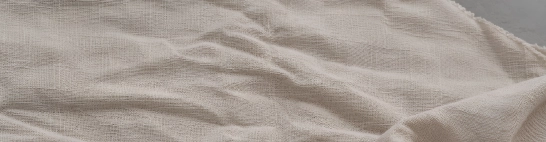
Shrinkage beyond specification after wash
-
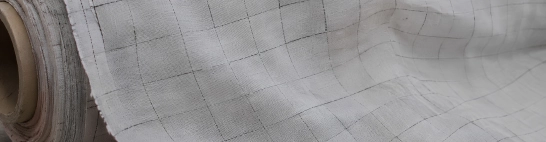
Skewed or bowed fabric that will not cut square
-
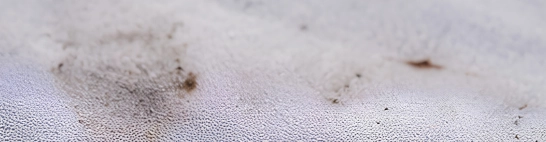
Oil stains, dirt marks and needle holes
-
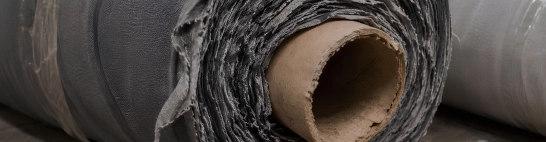
Uneven roll winding or damaged roll cores
-
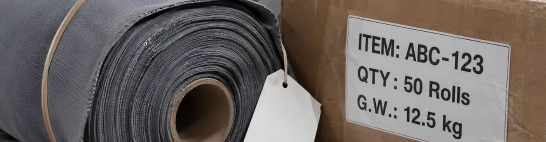
Roll tickets and carton markings that do not match the packing list
Which Inspection Stage Do You Need?
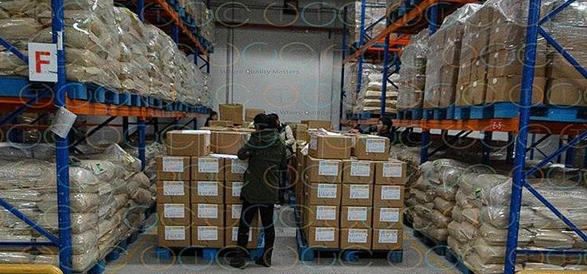
Fabric problems are cheapest to fix before cutting starts. Most buyers combine two or more of these across a production run.

Everything You Need to Know About Fabric Inspection
Still unsure about scope or timing? Talk to us — we will tell you what a given order actually needs.
What kinds of fabric do you inspect?
Do you check colour against my lab dip?
How quickly do I get the report?
How much does a fabric inspection cost?
Do you inspect against my own checklist?
Which countries can you inspect fabric in?
Ready to secure your supply chain?
Our experts in Asia provide professional, fast-response solutions for your inspection and audit needs.