
Construction Machinery and Equipment Inspection Services
Independent, third-party quality control for construction machinery and equipment. We check welding and structural integrity, hydraulics, engine and power performance, safety features and crating before the order leaves the factory.
- On-site inspection at your supplier’s factory
- Photo-backed report within 24 hours of the inspection
- Inspectors available across 25+ sourcing countries
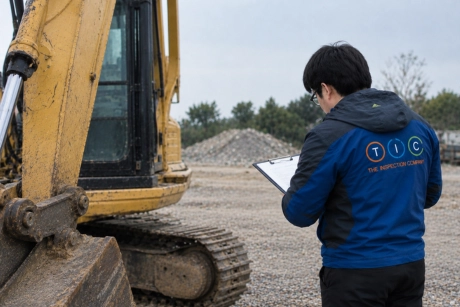
Why Construction Machinery Needs Its Own Inspection
A hairline weld crack or a hydraulic leak is easy to miss standing still on a factory floor — and expensive to discover once the unit is on a job site.
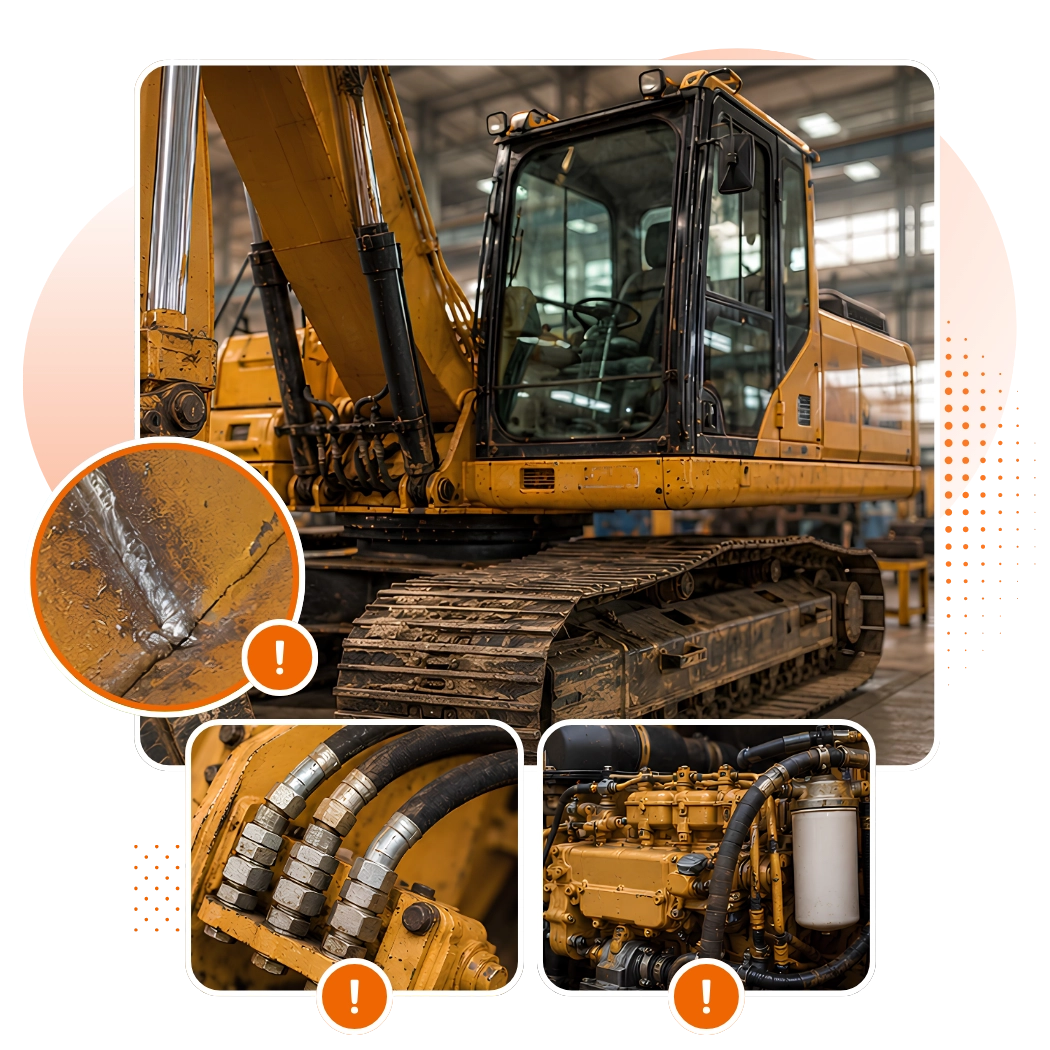
Construction machinery and equipment combine heavy fabrication, hydraulics, engines and safety-critical systems in one unit, and a fault in any one of them can put an operator at risk or take the machine out of service. Welding quality, hydraulic seal integrity, engine performance under load and the presence of required safety features all have to be checked and, where practical, tested in operation — not just judged by appearance. An on-site inspection checks the finished unit against your specification and approved sample before it is crated and shipped, so a problem is caught at the factory, not on a job site.
Every Equipment Category, Its Own Checklist
A diesel generator and a concrete compactor fail in completely different ways. Our inspectors work to the checklist that matches what you are actually making.
- Structural welding and frame integrity
- Hydraulic cylinder and hose condition
- Track, wheel and undercarriage wear
- Control function and operator safety guards
- Engine performance and load testing
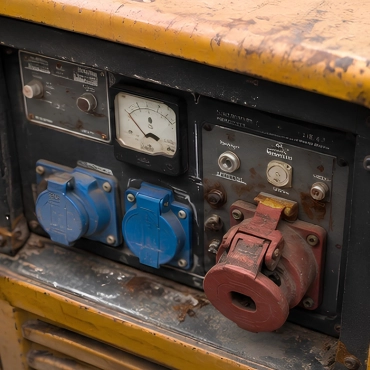
- Wiring, grounding and electrical safety
- Noise level and vibration
- Fuel system integrity
- Motor performance and function testing
- Housing integrity and vibration dampening
- Safety guards and trigger lock function
- Cable, plug and battery safety
- Weld and joint integrity
- Load rating verification
- Coating and corrosion resistance
- Locking mechanism and stability
What We Check
Every inspection is set up against your own specification and approved sample. A typical construction machinery checklist covers:
-
Welding quality and structural integrity
-
Hydraulic system pressure, seal integrity and leak testing
-
Engine or motor performance under load, where testing is practical
-
Safety features guards, lockouts, alarms and required markings
-
Dimensions, weight and specification against the approved documentation
-
Surface finish, coating and corrosion protection
-
Labelling, rating plates and compliance markings
-
Crating, tie-down points and packing for transport
Whether you need a one-off pre-shipment check or ongoing oversight across a construction machinery programme, we build the checklist around your specification and your buyer’s standards.
Defects We Catch Before the Order Ships
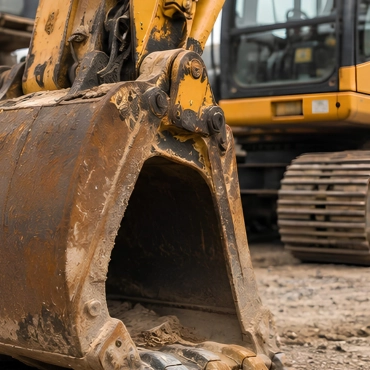
These are the findings that most often turn into downtime, safety incidents or a rejected shipment when nobody looks before crating.
-
Weld cracks, porosity or incomplete penetration

-
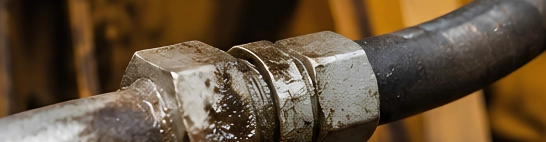
Hydraulic leaks at fittings, hoses or cylinder seals
-
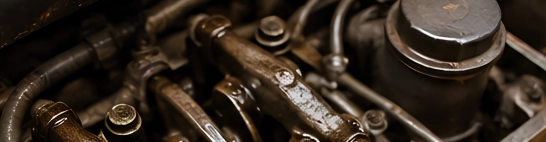
Engine or motor that fails to reach rated performance under load
-
Missing or non-functional safety guards, locks or alarms

-
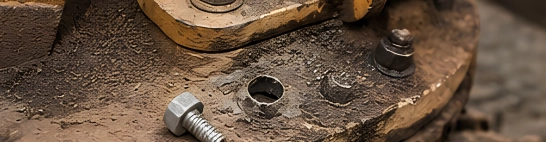
Loose, worn or missing fasteners on structural joints
-
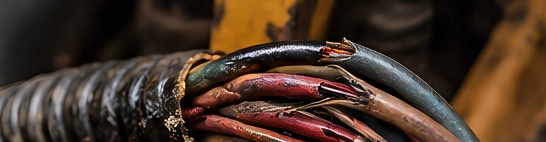
Wiring faults, poor grounding or exposed live parts
-
Coating failures leading to early corrosion

-
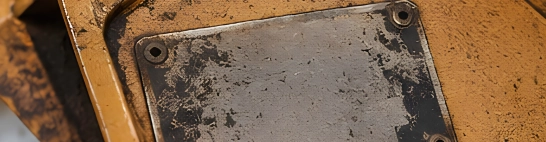
Missing or incorrect rating plates and compliance markings
-
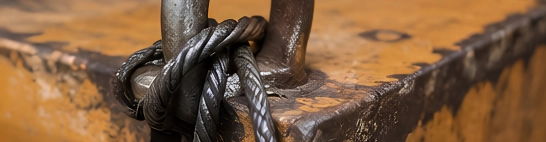
Inadequate crating or tie-down points for the transport method
Which Inspection Stage Do You Need?
Machinery problems are cheapest to fix before final assembly and testing. Most buyers combine two or more of these across a production run.
Everything You Need to Know About Construction Machinery and Equipment Inspection
Still unsure about scope or timing? Talk to us — we will tell you what a given order actually needs.
What kinds of construction machinery do you inspect?
Do you carry out function or load testing on site?
How quickly do I get the report?
How much does a construction machinery inspection cost?
Do you inspect against my own checklist?
Which countries can you inspect construction machinery in?
Ready to secure your supply chain?
Our experts in Asia provide professional, fast-response solutions for your inspection and audit needs.