The moment a container is sealed and loaded onto a ship, your control over product quality vanishes. For any business importing from overseas, this is a moment of significant financial risk. A single shipment of defective goods can lead to costly returns, damage your brand's reputation, and erase your profit margins entirely. But what if you could verify your entire order meets your exact specifications before it ever leaves the factory? This is the critical protection offered by professional quality inspection services, a non-negotiable step for safeguarding your investment and your business.
This complete guide is your roadmap to mitigating that risk and gaining definitive control over your supply chain. We will demystify the process, explaining exactly how third-party inspections work, why they are essential for your bottom line, and how to choose a reliable partner to be your eyes and ears on the factory floor. By the end, you will have a clear, simple framework for ensuring product quality, giving you the peace of mind to grow your business without costly surprises.
What Are Quality Inspection Services? Your First Line of Defense
When sourcing products from overseas, particularly from manufacturing hubs in Asia, professional quality inspection services are your most crucial safeguard. This process is an independent verification of your products before they are shipped, ensuring they meet the standards you and your customers expect. At its core, an Inspection is a formal evaluation to determine if a product conforms to specific requirements. Skipping this critical step exposes your business to a cascade of financial risks: receiving defective goods, managing costly customer returns, damaging your brand's reputation, and facing expensive rework or disposal fees.
Remember, effective quality control is about prevention, not just detection. It’s designed to identify and address issues at the source-the factory-before they become your problem. A single day of inspection can save you months of trouble and protect your bottom line.
The Role of a Third-Party Inspector
A third-party inspector is an impartial professional who works directly for you. Their sole objective is to provide a clear, factual assessment of your production run. Think of them as your dedicated quality expert on the ground, ensuring your interests are protected at all times. Their key responsibilities include:
-
Acting as your eyes and ears on the factory floor, thousands of miles away.
-
Delivering unbiased, objective reports based on facts, not factory pressures.
-
Verifying that products meet your exact specifications, including materials, dimensions, functionality, and packaging.
-
Ensuring what you ordered is what gets shipped, protecting you from surprises upon arrival.
Why You Can't Rely on Factory QC Alone
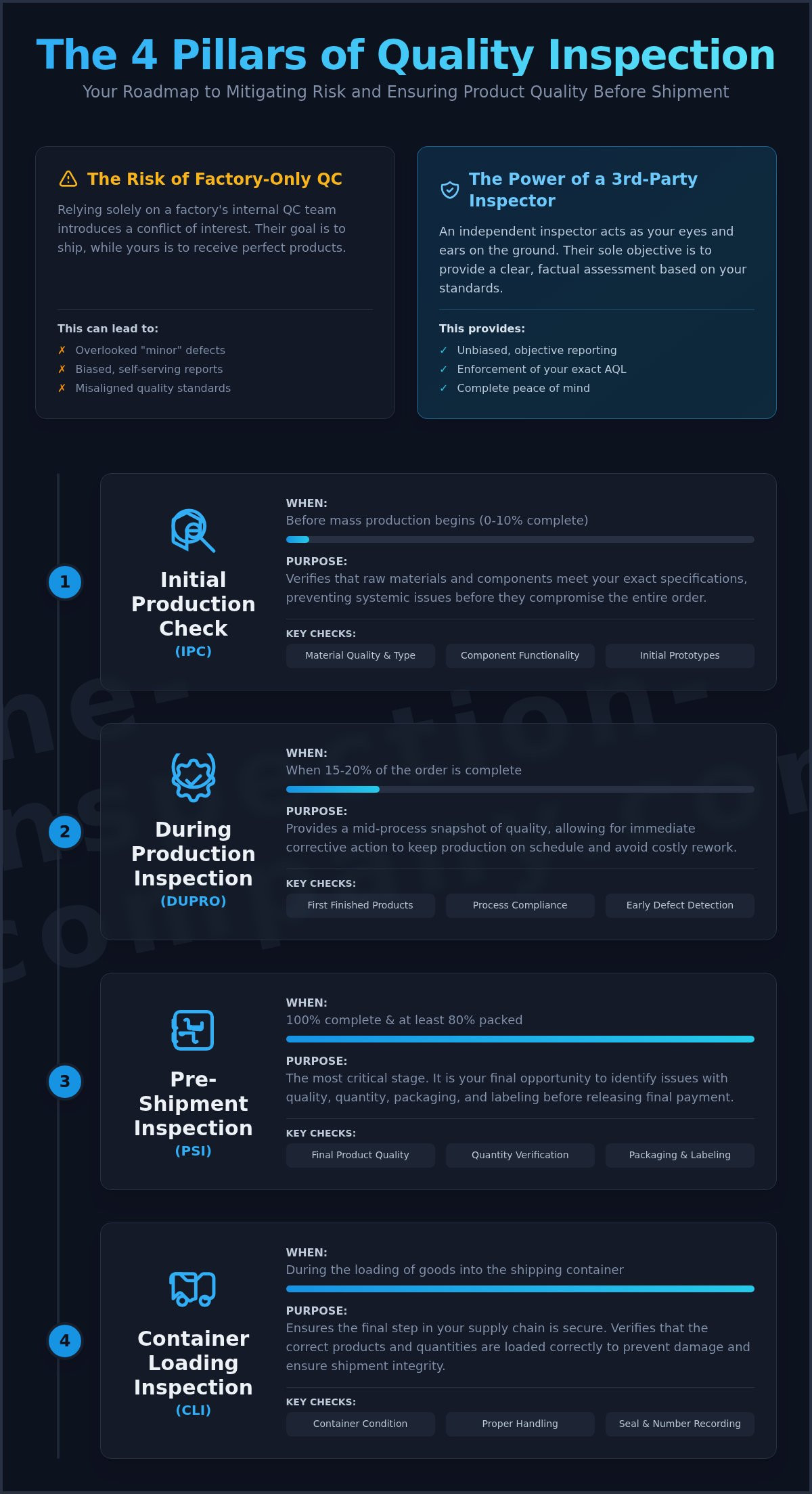
While most factories have an internal Quality Control (QC) team, relying solely on their reports is a significant business risk. There is an inherent conflict of interest: their primary goal is to meet production deadlines and ship units, while yours is to receive flawless goods. Factory QC may also have different quality standards, overlooking "minor" defects they consider acceptable but which your customers would reject.
An independent check from a provider of quality inspection services verifies the factory's internal processes and results. The inspector works only for you, applying your precise Acceptable Quality Limit (AQL) standards without compromise. This ensures your standards-not the factory's production targets-are the ultimate benchmark for quality.
The 4 Core Types of Quality Inspection Services
Effective quality control is not a single event; it's a strategic process. To protect your investment, inspections must be timed to key milestones in the production cycle. Each stage presents unique risks, and understanding which inspection to use-and when-is crucial for mitigating them. The most reliable quality inspection services are deployed at four distinct phases of production.
Initial Production Check (IPC)
An IPC is performed before mass production begins, or just as the first units come off the line. This inspection focuses on the raw materials and components that will be used to manufacture your product. It verifies that they meet your exact specifications, preventing systemic quality issues before they compromise your entire order. An IPC is essential when working with a new supplier or producing a complex or high-value product.
During Production Inspection (DUPRO)
Conducted when 15-20% of your order is complete, a DUPRO gives you a critical mid-process snapshot of quality. Inspectors check the first finished products for defects and verify that the factory is following the agreed-upon production standards. Following these in-process checks is a cornerstone of effective quality control best practices, allowing for immediate corrective action to keep your production on schedule and avoid costly rework.
Pre-Shipment Inspection (PSI)
The PSI is the most common and critical inspection for importers worldwide. It occurs when your order is 100% complete and at least 80% packed for shipping. This is your final opportunity to identify any issues with product quality, quantity, packaging, and labeling before you release final payment and authorize shipment. A PSI is your last line of defense against receiving a shipment that doesn't meet your standards.
Container Loading Inspection (CLI)
A CLI, also known as a Container Loading Supervision, ensures the final step in your supply chain is secure. Our inspector supervises the loading process at the factory or port, verifying that the correct products and quantities are loaded correctly into the shipping container. We check the container's condition, monitor handling procedures to prevent damage, and record the container and seal numbers to ensure shipment integrity.
| Inspection Type | When It Occurs | Primary Purpose |
|---|---|---|
| Initial Production Check (IPC) | Before mass production starts | Verify raw materials and components. |
| During Production Inspection (DUPRO) | 15-20% of production complete | Catch early defects and check process compliance. |
| Pre-Shipment Inspection (PSI) | 100% complete, 80%+ packed | Final verification of quality, quantity, and packaging. |
| Container Loading Inspection (CLI) | During container loading | Ensure correct quantity is shipped securely. |
How to Choose the Right Service Mix
Choosing the right inspection isn't about picking just one; it's about building a quality assurance strategy tailored to your risks. While a Pre-Shipment Inspection is fundamental for nearly every importer, adding an IPC or DUPRO provides extra security for new suppliers, complex orders, or tight deadlines. A comprehensive plan utilizing multiple quality inspection services is the most effective way to protect your brand and your bottom line.
The Quality Inspection Process: What to Expect from Start to Finish
For many first-time importers, the world of third-party inspections can seem complex. However, modern quality inspection services have streamlined the process to be fast, transparent, and highly effective. Understanding the key stages, from booking your service to receiving the final report, empowers you to take control of your supply chain and avoid costly surprises. The entire process is designed for maximum clarity and efficiency, ensuring you get the critical data you need without disrupting production.
Step 1: Booking and Defining Your Standards
The foundation of a successful inspection is clear communication. Before an inspector can visit the factory, you must provide the necessary framework. This is your opportunity to define what "quality" means for your product. You will need to provide:
-
Your detailed product specifications and purchase order.
-
Your Acceptable Quality Limits (AQL) to set the tolerance for defects.
-
A comprehensive inspection checklist detailing every point to be verified, from packaging to performance.
-
Confirmation of the inspection date with your supplier.
A thorough checklist is non-negotiable; it acts as the inspector’s direct instructions, ensuring they focus on what matters most to you and your customers.
Step 2: The On-Site Inspection
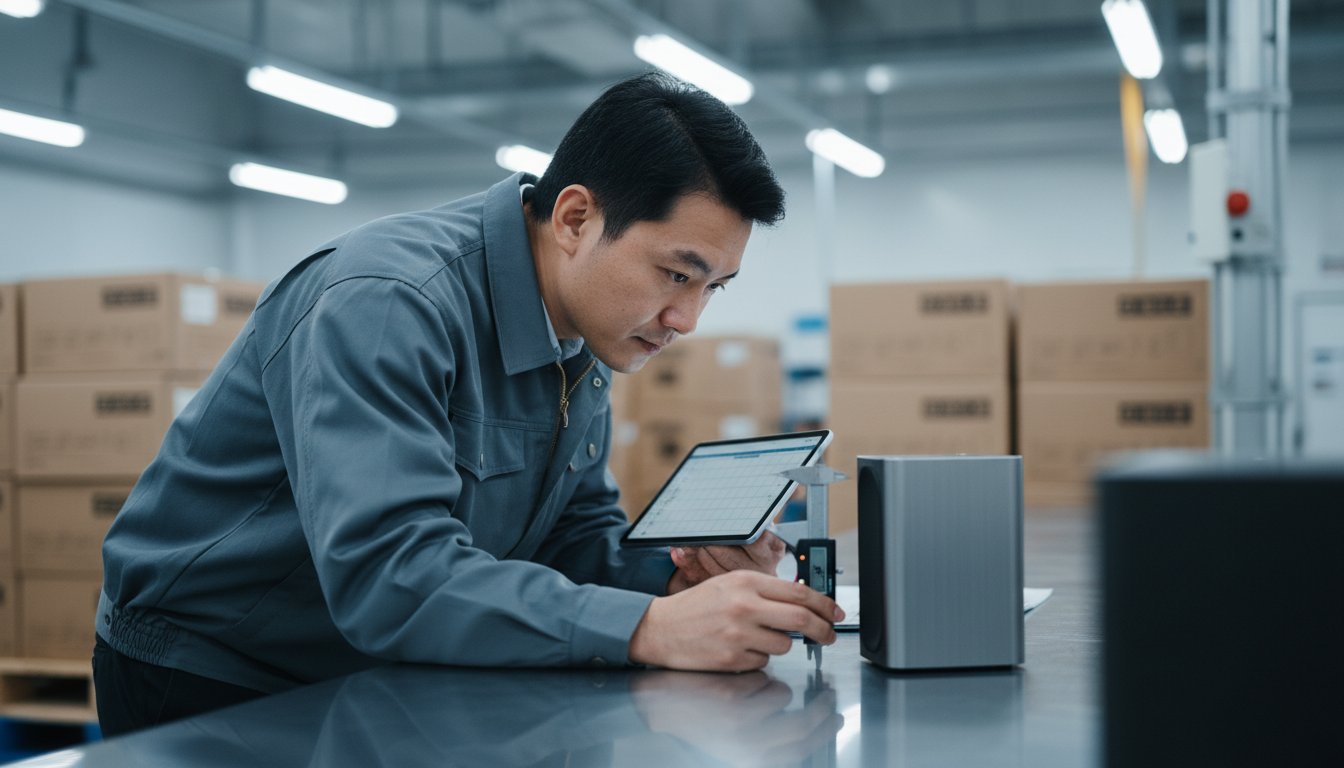
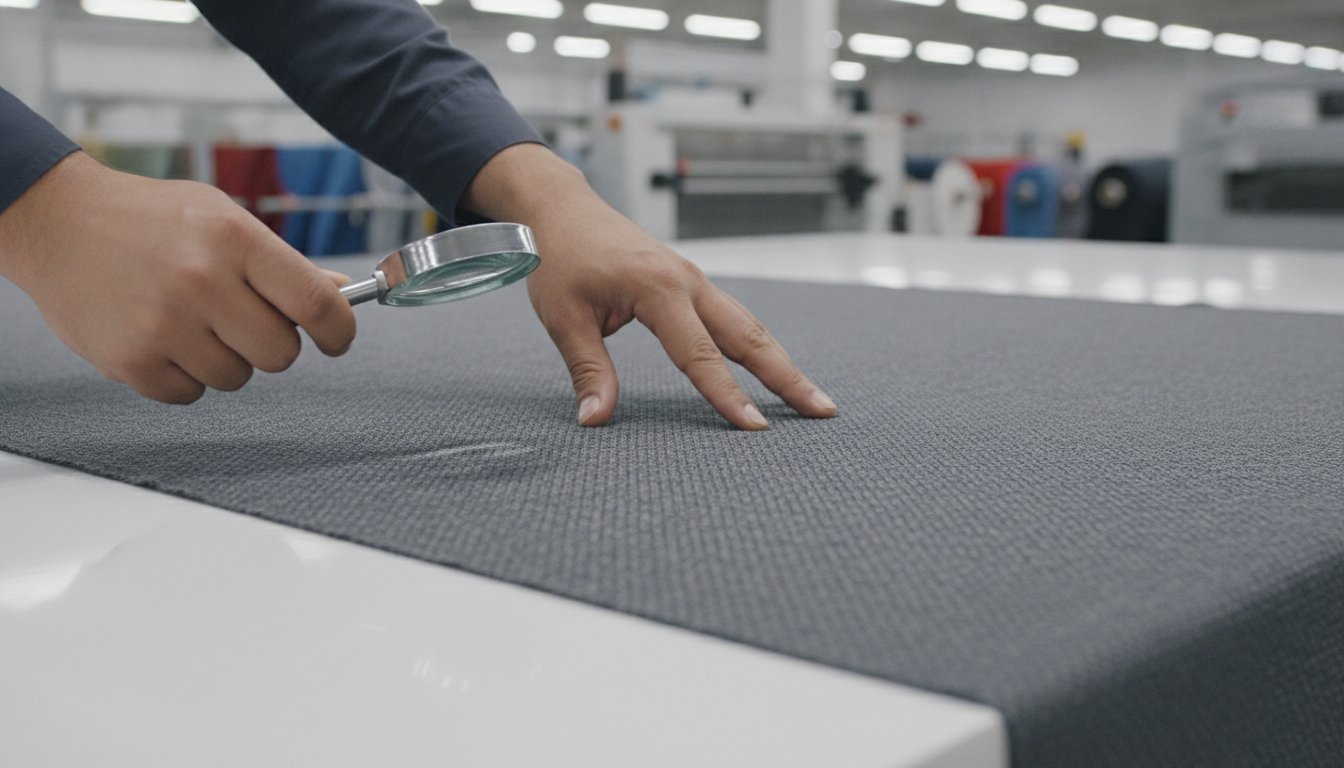
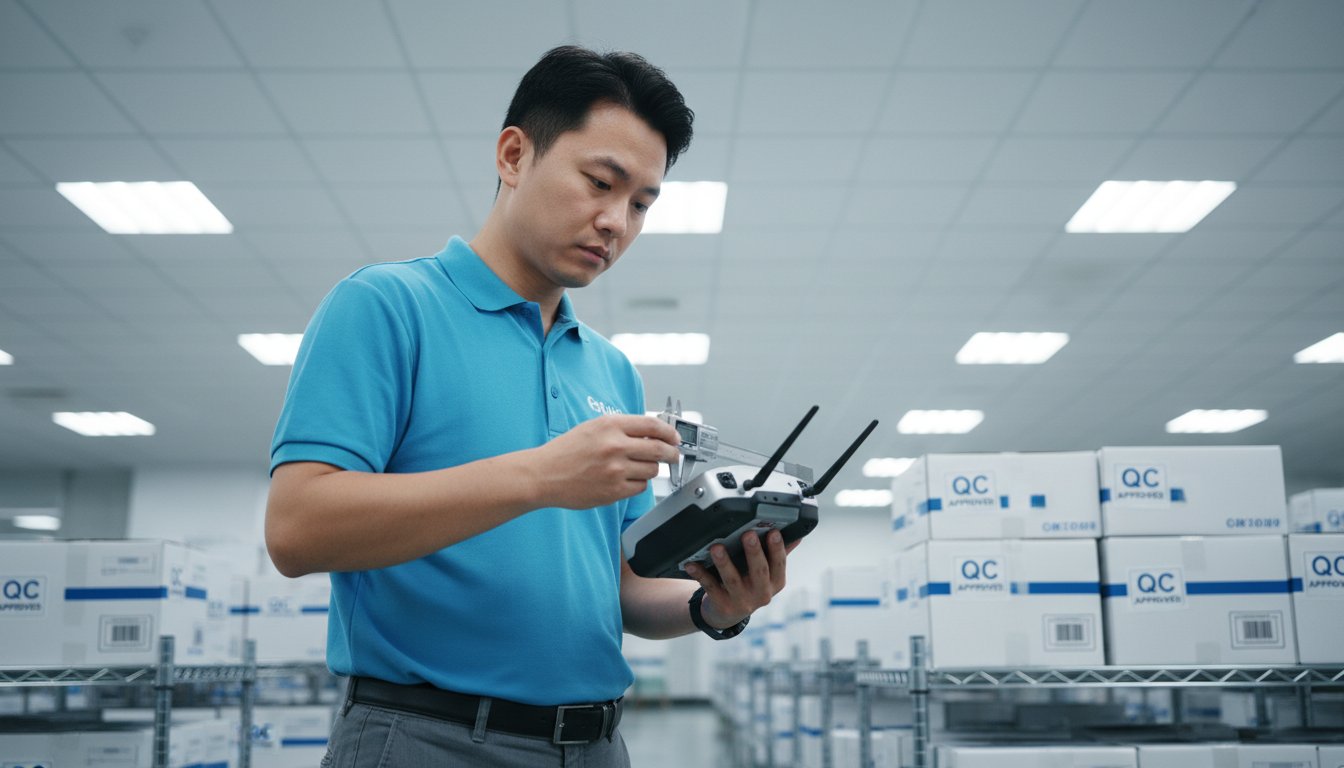
On the scheduled day, a professional inspector travels to your supplier’s factory. Their sole objective is to act as your eyes and ears on the ground. Following your checklist and internationally recognized standards, the inspector performs a series of checks on a random sample of goods selected according to your AQL. This typically includes visual checks for cosmetic defects, precise measurements, on-site functional and safety tests, and packaging verification. Every finding, both positive and negative, is meticulously documented with high-resolution photographs and detailed notes to provide an unbiased, factual account of your order's status.
Step 3: Receiving and Understanding Your Report
Speed is critical when a shipment deadline is approaching. You will receive a comprehensive PDF inspection report directly in your inbox, typically within 24 hours of the inspection. This report is designed for quick, decisive action. It includes a clear summary of the results, a breakdown of all findings, and extensive photographic evidence. With this data, you can make an informed, fact-based decision: approve the shipment, place it on hold for rework, or reject the order entirely. This final step is where reliable quality inspection services deliver their ultimate value-stopping problems before they leave the factory.
Not sure what to check for your product? Request a sample inspection report to see the level of detail you can expect.
Beyond Products: Verifying Your Supplier with Factory Audits
Ensuring product quality begins long before production starts-it begins with your supplier. While product checks are essential, they only assess the final output. A truly reliable partnership depends on the supplier's systems, capacity, and legitimacy. This is where a factory audit becomes a critical tool for risk management, helping you distinguish capable, long-term partners from potential liabilities.
Relying solely on product checks is a reactive strategy. A factory audit allows you to be proactive, verifying a supplier's claims before you commit to a purchase order. It provides the objective data you need to build a secure and resilient supply chain.
What is a Factory Audit?
A factory audit is a systematic, on-site evaluation of a potential or existing supplier. An independent auditor visits the factory to assess its operational capabilities, quality control processes, and overall reliability. This provides a comprehensive snapshot of their ability to meet your standards. Key areas verified include:
-
Quality Management System: Do they have documented processes to control quality?
-
Production Capacity: Can they handle your order volume and meet deadlines?
-
Machinery and Equipment: Is their equipment suitable and well-maintained?
-
Company Legitimacy: Verifying business licenses and certifications to avoid scams.
Social Compliance Audits
In today's market, your brand's reputation is invaluable. A Social Compliance Audit focuses on a factory's adherence to ethical standards, labor laws, and workplace safety. This audit protects your brand from being associated with unethical practices like child labor or unsafe conditions, ensuring your supply chain aligns with your corporate social responsibility values.
Audit vs. Inspection: When to Use Each
Understanding the difference between an audit and an inspection is key to an effective quality strategy. They are not interchangeable; they serve distinct purposes at different stages of the procurement process.
-
Use an Audit: Before you place an order to vet the supplier's factory.
-
Use an Inspection: During and after production to check your physical products.
Simply put, an audit assesses the factory, while an inspection assesses the goods. Combining a pre-order factory audit with ongoing quality inspection services creates the most robust defense against costly defects and delays. This two-pronged approach ensures you're working with the right partner and receiving the right product. Learn more about building a comprehensive quality assurance strategy with our expert team.
How to Choose the Right Quality Inspection Partner
Selecting the right partner is the most critical step in securing your supply chain. This decision is an investment in certainty, not an expense to be minimized. A reliable firm acts as your eyes and ears on the factory floor, providing the crucial data you need to avoid costly defects, delays, and damage to your brand’s reputation. When evaluating potential partners, focus on competence, transparency, and reliability.
Key Factors to Consider
When comparing quality inspection services, prioritize these non-negotiable criteria to ensure you receive true value and protection:
-
Accreditation and Certifications: Ensure the company is ISO 9001 certified. This international standard guarantees they have a robust quality management system in place to deliver consistent and reliable service.
-
Full-Time, Trained Inspectors: A company that invests in a large network of full-time, professionally trained employees is more accountable than one relying on part-time freelancers. This ensures consistent quality and integrity.
-
Fast Reporting Turnaround: In global trade, speed is essential. Demand a partner who can deliver a comprehensive, detailed report with high-resolution photos and clear findings within 24 hours of the inspection.
-
Transparent Pricing: Your quote should be all-inclusive. A trustworthy partner provides clear, upfront pricing without hidden fees for travel or overtime.
Red Flags to Watch Out For
Conversely, be wary of providers who exhibit these warning signs. The initial savings are rarely worth the long-term risk:
-
Unrealistically Low Prices: The lowest price often means cutting corners with unqualified staff who may lack the expertise and integrity to properly represent your interests.
-
Lack of Professionalism: A poor-quality website, an unwillingness to provide sample reports, or vague communication are hallmarks of an amateur operation.
-
No Clear Booking Process: A professional service will have a streamlined, often online, system for booking and managing your inspections.
-
Vague Reports: If a report lacks extensive photographic evidence and objective data, it is of little value. You must be able to see exactly what the inspector sees.
The Value of Experience and Local Presence
Finally, your partner in quality inspection should have deep experience in your specific product category. A company with a strong on-the-ground presence can deploy inspectors quickly and navigate local manufacturing nuances effectively. This combination of local expertise and international quality standards helps bridge cultural and communication gaps, ensuring your requirements are met without compromise. With 700+ inspectors in Asia, we have you covered. Get a quote.
Secure Your Supply Chain with Expert Inspection
In the complex world of global sourcing, proactive quality control is not just a best practice-it's an essential defense for your brand and your bottom line. As we've explored, understanding the different inspection stages and verifying your supplier's capabilities are fundamental steps to mitigating risk. The right partner transforms quality control from a challenge into a strategic advantage, ensuring your products meet exact specifications before they ever leave the factory.
This is where professional quality inspection services become indispensable. With a network of over 700 inspectors across Asia, guided by European management and ISO 9001 certified standards, we act as your eyes and ears on the ground. You receive detailed reports with high-resolution photos within 24 hours, giving you the clarity and confidence to make informed decisions. One day of inspection can truly save you months of trouble.
Don't leave your investment to chance. Secure your next shipment. Get your free inspection quote today! Make the smart choice for a more secure and profitable supply chain.
Frequently Asked Questions About Quality Inspection Services
How much do quality inspection services cost?
The cost is typically a flat, all-inclusive fee per inspector "man-day," usually ranging from $250 to $350 USD. This covers the inspector's time, travel, and the creation of the detailed report. Considering the potential for saving thousands on defective goods, costly rejections, or shipment delays, this investment is a critical part of your risk management strategy. One day of inspection can truly save you months of trouble and protect your bottom line.
Do I need an inspection for every single shipment?
We strongly recommend an inspection for every shipment, especially when working with a new supplier or producing a complex product. While you might reduce inspection frequency with a long-term, trusted partner, quality can fade over time. Consistent verification is the only way to ensure your standards are always met. For a modest cost, a Pre-Shipment Inspection (PSI) provides essential peace of mind and protects your brand's reputation with every order you place.
What happens if my products fail the inspection?
If an inspection fails, you receive a comprehensive report with detailed photos and descriptions of all defects within 24 hours. This empowers you to act before the shipment leaves the factory. You can use this objective evidence to instruct your supplier to rework the defective items, sort the entire batch, or negotiate a discount. We help you stop problems before they sail, giving you full control over the final product quality and your payment.
What is an Acceptable Quality Limit (AQL) and how do I set it?
The Acceptable Quality Limit (AQL) is a statistical method, adopted by international standards, used to determine the sample size to inspect and the maximum number of defects allowed. You set different limits for critical, major, and minor defects. For most consumer goods, standard AQL levels are 0/2.5/4.0. Our team can advise you on the most appropriate AQL settings for your specific product and market to ensure clear, objective quality standards are met.
How quickly can an inspection be arranged?
Our process is built for speed and efficiency to keep your supply chain moving. An inspection can be booked and confirmed with as little as 48 hours' notice, depending on factory location and availability. Once the on-site inspection is complete, you will receive your comprehensive, detailed report with photos and findings within 24 hours. This allows you to make a swift and informed decision regarding your shipment without causing unnecessary delays.
Can you inspect products for Amazon FBA sellers?
Yes, we specialize in providing quality inspection services for Amazon FBA sellers. Beyond standard product quality checks, our inspectors are trained to verify FBA-specific requirements. This includes checking FNSKU labels, packaging compliance, suffocation warnings, and carton markings to prevent costly issues or rejections at Amazon fulfillment centers. We ensure your products are not only high-quality but also fully prepared for a smooth entry into the FBA system.