The success of your import business hinges on a critical moment you can't witness yourself: the final quality check before your products leave the factory. Without independent verification, you are exposed to significant risks-from receiving defective goods that damage your brand's reputation to facing costly delays and returns that erode your profits. This is where a professional third party inspection company asia becomes your most valuable asset, acting as your eyes and ears on the ground to provide an unbiased, expert assessment before shipment.
But not all inspection services are created equal. Choosing the right partner is crucial to protecting your investment and ensuring product quality. This comprehensive 2026 guide eliminates the guesswork, providing a proven framework for evaluating and selecting a reliable TPI partner. Inside, you'll discover the key criteria for vetting potential companies, the critical questions to ask, and the steps to take to feel confident that every shipment meets your standards, allowing you to avoid costly surprises and protect your bottom line.
Key Takeaways
- Understand the critical conflict of interest in factory-led QC and why an independent inspection is your first line of defense against costly product defects.
- Utilize a proven 4-point framework to evaluate potential partners on their core competencies, ensuring they can effectively minimize your supply chain risks.
- Learn why a one-size-fits-all approach fails and how to assess if a third party inspection company asia has the necessary on-the-ground expertise for your specific manufacturing hub.
- Demystify inspection costs by understanding the common pricing models, allowing you to budget effectively and protect your investment against major financial losses.
Why a Third-Party Inspection Company is Non-Negotiable in Asia
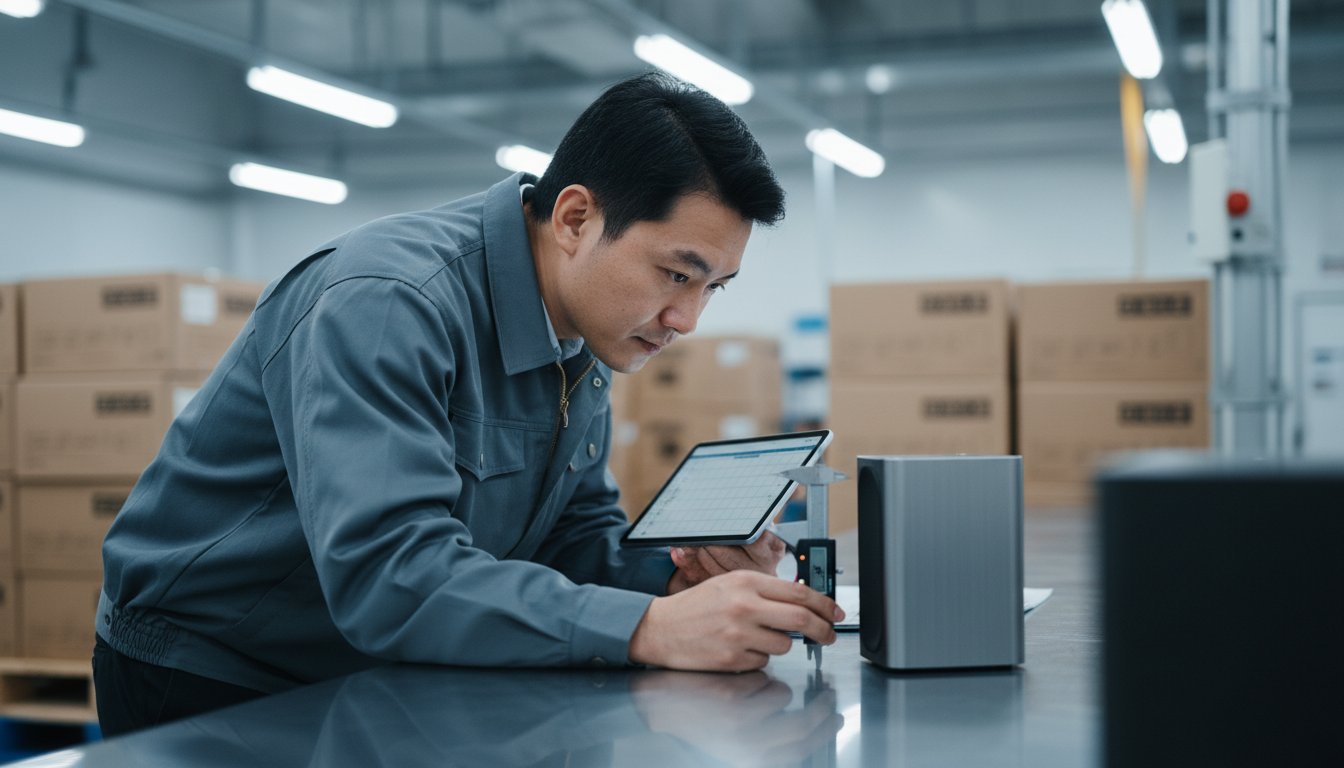
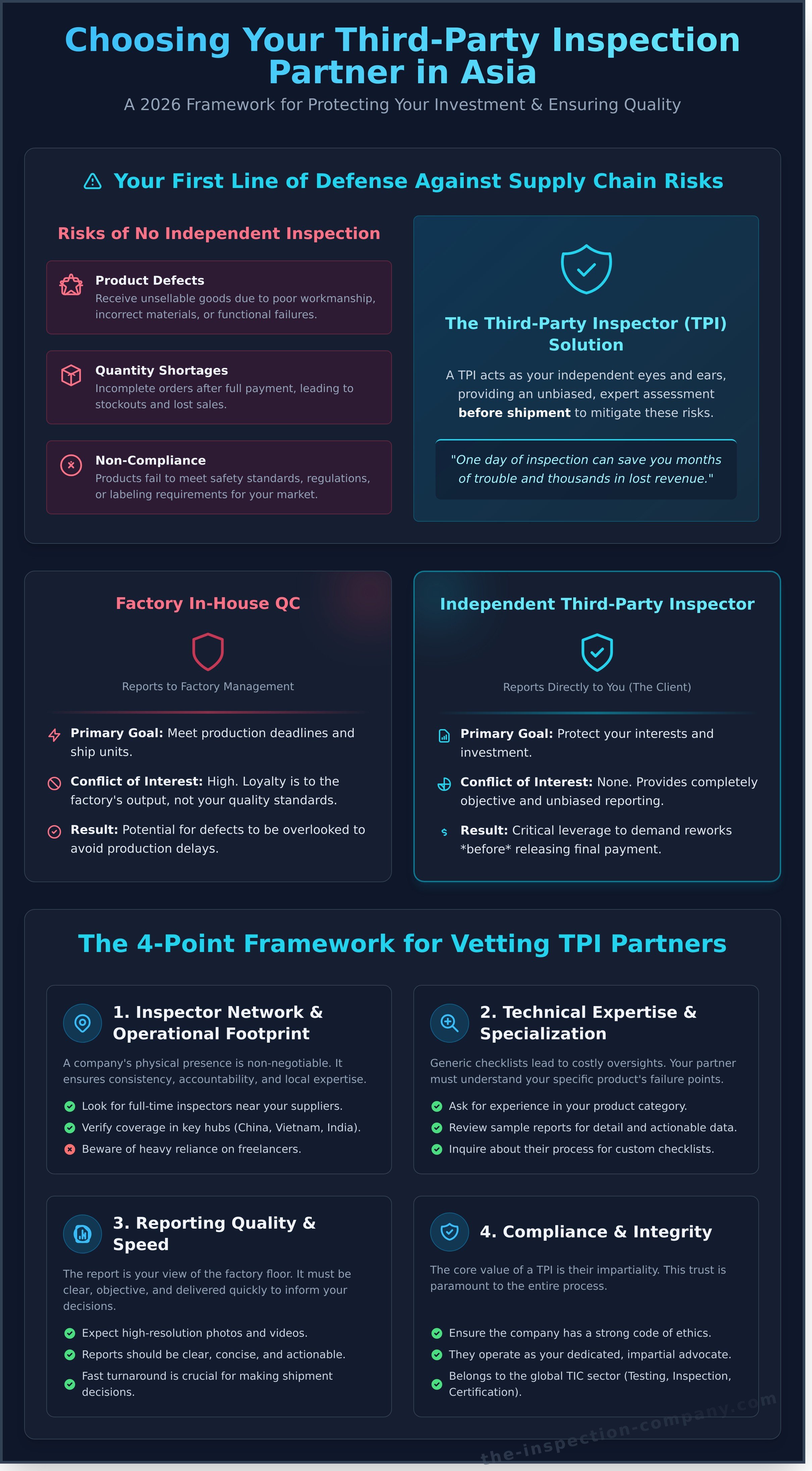
When sourcing products from Asia, distance and communication barriers create significant business risks. A Third-Party Inspection (TPI) company acts as your independent eyes and ears on the factory floor, providing professional verification that your quality standards are being met before your products are shipped. Without this crucial oversight, you are left to rely solely on the factory's word-a position that exposes your business to costly errors and delays.
Sourcing from overseas without independent verification introduces severe risks that can jeopardize your entire investment. The most common issues include:
- Product Defects: Poor workmanship, incorrect materials, or functional failures that render your products unsellable.
- Quantity Shortages: Receiving an incomplete order after you have made full payment, leading to stockouts and lost sales.
- Non-Compliance: Products that fail to meet the safety standards, regulations, or labeling requirements of your target market.
Remember this critical business principle: One day of inspection can save you months of trouble and thousands in lost revenue.
The Role of an Independent Inspector
The primary function of a professional third party inspection company in Asia is to provide completely objective and unbiased reporting. Operating within the global Testing, inspection, and certification (TIC) sector, these firms are dedicated to impartial conformity assessments. Your inspector is your advocate, working on-site to verify that the products manufactured are the exact ones you ordered and to enforce your quality standards directly with the supplier, ensuring accountability.
In-House QC vs. Third-Party Inspection
A factory’s in-house Quality Control team reports to factory management, whose main priority is to produce and ship units to meet deadlines. This creates a fundamental conflict of interest. In contrast, a TPI reports directly to you; their sole priority is to protect your interests and your investment. This independent verification provides the critical leverage needed to demand reworks or corrections before you release final payment, securing your supply chain and your brand's reputation.
The 4-Point Framework for Evaluating Inspection Companies
Choosing a partner to protect your interests requires a methodical approach. The quality and reliability of your chosen inspector directly impact your bottom line and brand reputation. When sourcing from overseas, recent events have exposed deep vulnerabilities in global supply chains, making on-the-ground verification more critical than ever. To effectively compare any third party inspection company in Asia, use this 4-Point Framework.
A provider's strength in these areas-Inspector Network, Technical Expertise, Reporting Quality, and Compliance & Integrity-directly correlates to their ability to mitigate your risk and avoid costly surprises. Use the following pillars as a checklist to systematically evaluate and compare potential partners.
Inspector Network & Operational Footprint
A company's physical presence is non-negotiable. Does the firm have full-time, professionally trained inspectors located near your suppliers? A reliable third party inspection company in Asia invests in its team, ensuring consistency, accountability, and a deep understanding of local business practices. Beware of providers who rely heavily on freelancers, which can lead to unpredictable quality and communication gaps. Verify their coverage across key manufacturing hubs in China, Vietnam, India, and other sourcing destinations.
Technical Expertise & Industry Specialization
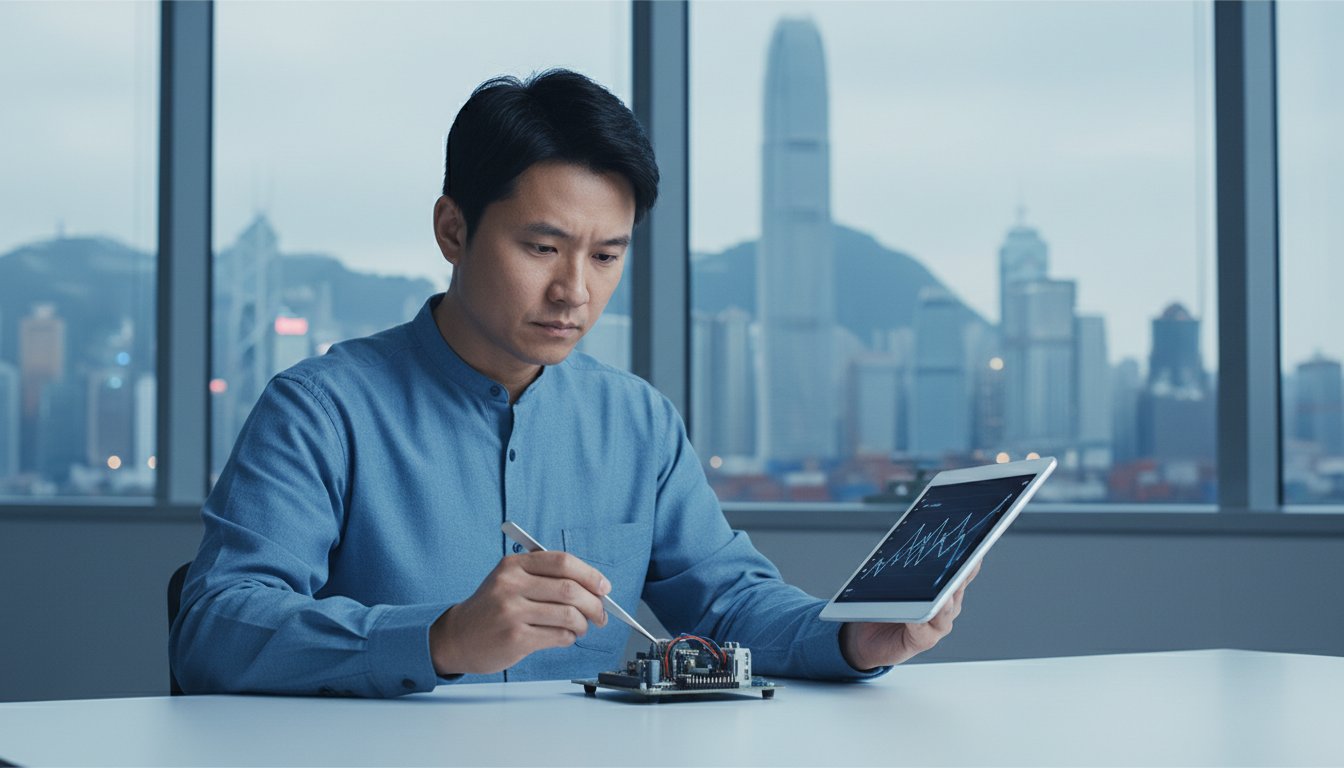
Generic checklists lead to costly oversights. Your quality control partner must understand the specific challenges and failure points of your product. A firm specializing in electronics will check for different defects than a textile expert. Before committing, ask critical questions:
- Does the company have documented experience with your specific product category (e.g., furniture, toys, industrial parts)?
- Review their sample reports. Are they detailed with actionable data, or just generic pass/fail comments?
- What is their process for creating a new, customized inspection checklist for your product?
Reporting Quality & Speed
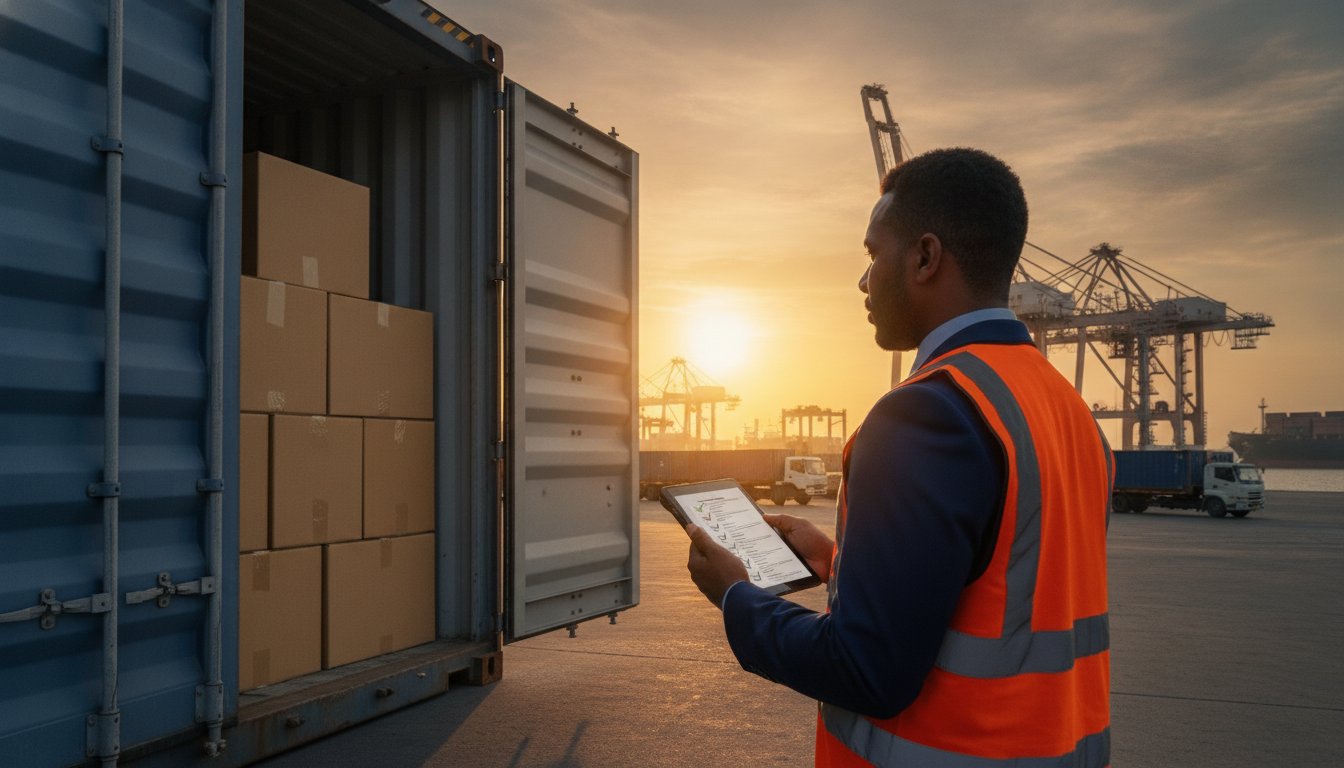
The inspection report is your eyes on the factory floor; it must be clear, objective, and actionable. A quality report is filled with high-resolution photos and videos that leave no room for ambiguity. Equally important is speed. The industry standard for report delivery is within 24 hours of the inspection's completion. Anything longer can delay critical shipping decisions. A modern client portal that allows for easy booking and instant access to reports is a strong indicator of a professional and efficient operation. This detailed feedback is the final output of services like the Pre-Shipment Inspection (PSI), giving you a last chance to stop problems before they ship.
Navigating Key Manufacturing Hubs in Asia: What to Look For
Asia is a continent of immense manufacturing diversity, not a single entity. The quality control challenges you face in a Shenzhen electronics factory are vastly different from those in a textile mill in India. A truly effective third party inspection company asia doesn't just offer a generic service; it provides localized expertise to navigate these critical regional nuances, protecting your investment and brand reputation.
Understanding these differences is the first step in selecting a partner who can truly safeguard your production. An inspector without specific local knowledge is a liability, not an asset.
Inspections in China
China's manufacturing landscape is mature but vast. A reliable partner must have a widespread network to cover key industrial clusters, from electronics in Shenzhen to automotive parts in Chongqing. Key risks to mitigate include:
- Vast Geography: Ensure your TPI has inspectors located near your specific factory to avoid high travel costs and delays.
- 'Quality Fade': A common issue where a supplier's quality drops after the first successful order. Consistent, unannounced inspections are crucial to maintain standards.
- Industrial Specialization: Your inspector must have direct experience with your product category, whether it's consumer electronics, furniture, or industrial machinery.
Inspections in Vietnam & Southeast Asia
As supply chains diversify, countries like Vietnam, Thailand, and Malaysia present new opportunities and risks. For a detailed analysis, see our guide on Vietnam vs. China Sourcing. The developing infrastructure requires a TPI that can overcome logistical hurdles to reach remote factories. Be aware that newer facilities may lack mature Quality Management Systems (QMS), making detailed factory audits and in-process inspections essential to prevent systemic errors. Local language skills are non-negotiable for clear communication and effective problem-solving.
Inspections in India & South Asia
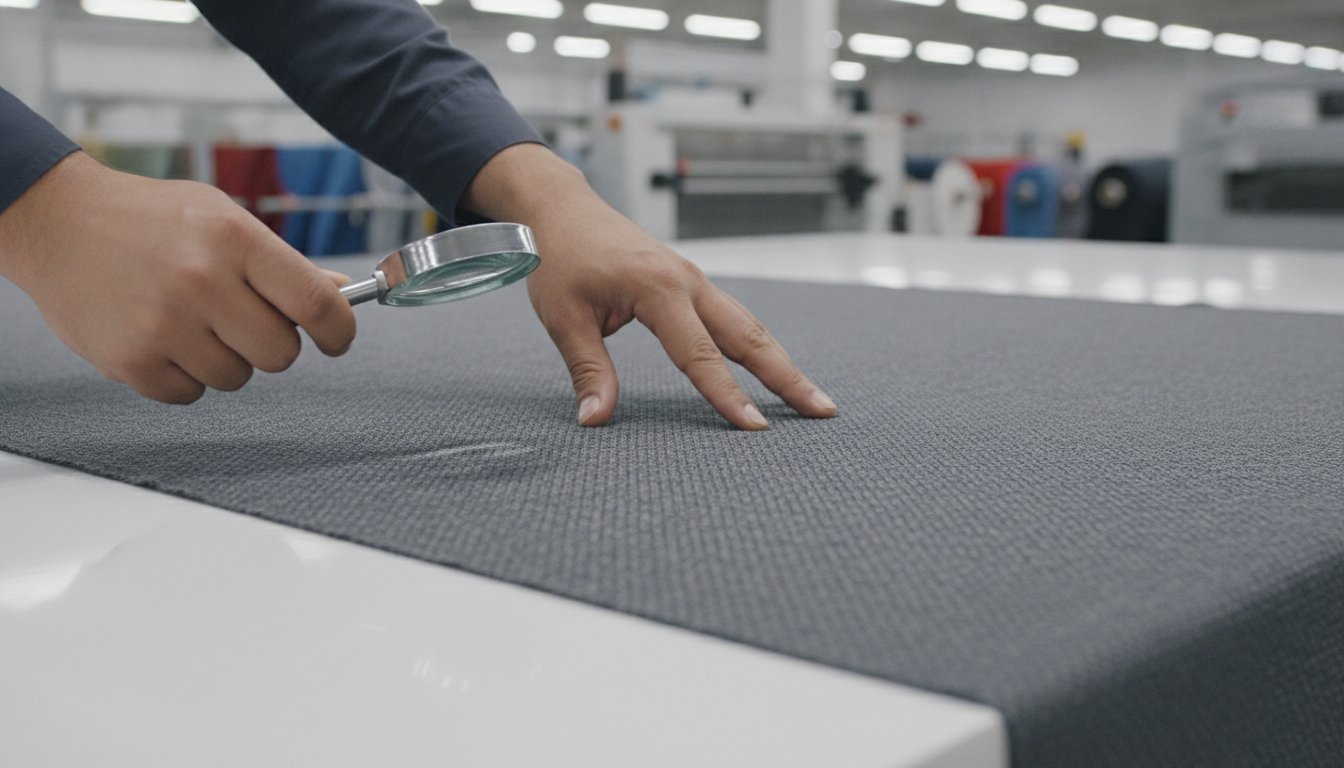
This region offers unique manufacturing capabilities, particularly in textiles, apparel, and handicrafts. However, quality standards can vary dramatically between different states. An effective inspection requires specialized knowledge of fabric testing, garment measurements, and artisanal production methods. Furthermore, a competent inspection partner must be well-versed in the complexities of local compliance and labor laws to ensure your products are sourced ethically and responsibly, avoiding costly and damaging supply chain disruptions.
Understanding the Cost: How TPIs Price Their Services
For many importers, the primary concern when considering a quality control partner is the cost. However, viewing this as a simple expense is a critical mistake. A professional inspection is not a cost; it is a small, fixed insurance premium against catastrophic financial loss and brand damage. Understanding how a third party inspection company in Asia structures its pricing is the first step to appreciating its immense value.
Common Pricing Models
The most common and transparent pricing model is the all-inclusive man-day rate. This is a flat fee for one inspector for one full day of work. Typically, this rate falls between $250 - $350 USD. A reputable firm’s man-day rate should always include:
- The inspector's time on-site at the factory.
- All travel and accommodation expenses for the inspector.
- The preparation and delivery of a comprehensive inspection report.
Beware of unusually low rates, as these often come with hidden fees for travel, weekend work, or report generation that can quickly inflate the final bill.
The True Cost of Skipping Inspection
The fee for an inspection is insignificant compared to the potential costs of receiving a defective shipment. The financial risk extends far beyond the initial cost of goods. Think of the cascading losses:
- Total Product Loss: Your entire order could be unsellable.
- Wasted Logistics Costs: You still have to pay for shipping, customs, and duties on worthless products.
- Reputational Damage: Negative reviews and product returns can permanently harm your brand.
- Correction Costs: Sorting, repairing, or disposing of defective goods in your home country can cost ten times more than doing so at the factory.
The return on investment is clear and immediate. A single $300 inspection can identify critical failures in a $30,000 order, saving you from a devastating financial outcome. This simple calculation highlights why professional oversight from a trusted third party inspection company in Asia is not just a good idea-it's an essential business practice. To learn more about protecting your investment, see our transparent, all-inclusive pricing.
Why Choose The Inspection Company for Your Asia Operations
Choosing the right partner for quality control is critical to your success in Asia. Throughout this guide, we've outlined the essential criteria for selecting an inspector: on-the-ground expertise, transparent processes, clear communication, and unwavering reliability. The Inspection Company was built to excel in every one of these areas, providing the security and confidence you need. As a leading third party inspection company asia, we offer a comprehensive solution designed to protect your investment and your brand's reputation.
Unmatched Network and Expertise
With over 25 years of experience, our foundation is our people. We deploy a network of more than 700 full-time, highly trained inspectors strategically positioned across Asia’s key manufacturing hubs. This ensures we have local experts ready to be at your factory, often on short notice. Our teams possess specialized knowledge in a wide range of product categories, including:
- Electronics and electrical appliances
- Textiles, apparel, and footwear
- Furniture and hard goods
- Industrial equipment and machinery
We also offer dedicated services for e-commerce sellers, providing the specific expertise needed to ensure your products meet marketplace requirements. Learn more about our Amazon FBA inspection services and how we help you maintain compliance.
Transparent Reporting and European Standards
Clarity and integrity are at the core of our operations. Our European management team upholds the highest standards of professionalism, ensuring you receive unbiased and consistent service. Following every inspection, you will receive a detailed, actionable report complete with high-resolution photos and clear findings-all within 24 hours. Our commitment to quality is validated by our ISO 9001 and ISO 17020 accreditations, guarantees that you are working with a professional and systematic partner.
Get Your Free Quote in Minutes
Protecting your supply chain shouldn't be complicated. Our process is designed for efficiency: simply request your inspection, we coordinate the details with your supplier, and you receive your comprehensive report. One day of inspection can save you months of trouble and avoid costly defects. Don't leave your next shipment to chance.
Get a Free, No-Obligation Inspection Quote Today and avoid costly surprises before your products leave the factory.
Secure Your Supply Chain: The Right Partner Makes All the Difference
Navigating the complexities of Asian manufacturing requires a vigilant, on-the-ground partner. As we've explored, foregoing professional oversight is a costly risk, and a structured evaluation framework is essential for finding a reliable team. Choosing the right third party inspection company asia is not just about avoiding defects; it's a strategic decision to protect your investment, your timeline, and your brand's reputation.
With over 25 years of quality management experience and dedicated European management, The Inspection Company provides the assurance you need. Our ISO 9001:2015 certified processes and vast network of over 700+ inspectors are your guarantee of professionalism and precision. We stop problems before they impact your business, ensuring every shipment meets your standards.
Don't leave your quality to chance. Avoid costly surprises and take control of your production. Request Your Free Inspection Quote and Secure Your Shipment today and build a more resilient supply chain.
Frequently Asked Questions
What is the difference between a factory audit and a product inspection?
A factory audit evaluates the supplier, while a product inspection evaluates the goods. An audit assesses a factory's capabilities, quality management systems, and ethical compliance to determine if they are a reliable partner. In contrast, a product inspection is a physical check of your products against your specifications. It focuses on identifying defects, verifying quantity, and ensuring the final goods meet your quality standards before they are shipped to you.
How many days does a typical pre-shipment inspection take?
For most standard orders of consumer goods, a Pre-Shipment Inspection (PSI) is completed within a single working day. This timeframe is typically sufficient for our inspectors to check a statistically significant sample based on AQL standards. However, for very large quantities or technically complex products that require extensive functional testing, an inspection may require two or more days to ensure a thorough and reliable quality assessment. We confirm the required time during the booking process.
What happens if the inspection finds defects in my products?
If an inspection uncovers defects, you will receive a detailed report with clear descriptions and photographic evidence, usually within 24 hours. This report provides the objective data needed to make an informed decision. You can then instruct your supplier to rework the faulty items, negotiate a discount, or, in cases of severe non-conformance, reject the shipment entirely. This process ensures you identify and resolve costly problems before the final payment and shipment.
Do I need to be present for the inspection in Asia?
No, you do not need to be present. The core value of hiring a professional third party inspection company in Asia is to have a trusted representative on-site to act as your eyes and ears. Our trained inspectors manage the entire process at the factory, following your exact requirements and international standards. This saves you the significant cost and time of international travel while providing you with a transparent, unbiased report on your production quality.
How do I create an effective quality inspection checklist?
An effective checklist must be specific, clear, and comprehensive. It should include detailed product specifications (dimensions, materials, colors), a defect classification guide (critical, major, minor), and a list of required on-site tests (e.g., function tests, carton drop tests). Also, include all packaging, labeling, and marking requirements. Providing approved samples and clear reference photos is crucial to ensure our inspector verifies what matters most for your product’s quality and compliance.
Can a third-party inspection company guarantee zero defects?
No reputable company can guarantee zero defects, as inspections typically rely on statistical sampling (AQL) to assess a production lot. This industry-standard method is highly effective at identifying systemic quality issues and providing a reliable snapshot of the shipment's overall quality. While it drastically reduces the risk of receiving a batch with unacceptable defect levels, it does not involve checking every single unit. The goal is risk mitigation, not absolute perfection.
How far in advance should I book an inspection?
To ensure inspector availability and a smooth process, we recommend booking your inspection at least 3-5 working days in advance. While we can often accommodate urgent requests, booking ahead provides sufficient time for us to coordinate with your supplier and thoroughly review your technical files and quality checklist. This advance planning helps prevent last-minute delays to your shipment schedule and ensures a well-prepared, professional inspection that protects your investment.