Post-Shipment Damage Inspection

Post-Shipment Damage Inspection in China and Across Asia

Prove what happened to your goods before you argue about who pays for it.

  • Documented, unbiased damage assessment on arrival — photo evidence included
  • Root-cause analysis: transit, unloading, or packaging failure
  • Report built for insurance claims and supplier disputes, not just filing
Post-Shipment Damage Inspection in China and Across Asia

Why a Post-Shipment Damage Inspection Matters

The risk of damage during long-distance shipping is always present—a PSDI tells you exactly what happened, and where.

Finds the root cause of shipping damage

Assesses goods on arrival for signs of improper handling, transport-related issues, or inadequate packaging, then reviews shipping documents to pinpoint whether damage happened en route or during unloading.

Backed by photo evidence and a clear report

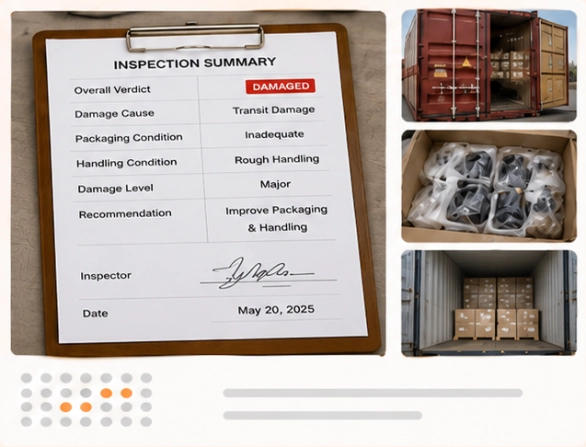
A detailed report with photographic evidence outlines the extent of the damage, its likely cause, and recommendations to prevent it from happening again.

Supports insurance claims and disputes

A documented, unbiased assessment of product condition on arrival—useful for filing insurance claims or settling disputes over damaged goods.

Protects your brand from repeat damage

Catching issues right after delivery helps protect your reputation, reduce financial losses, and prevent similar damage in future shipments.
Definition

What is a Post-Shipment Damage Inspection?

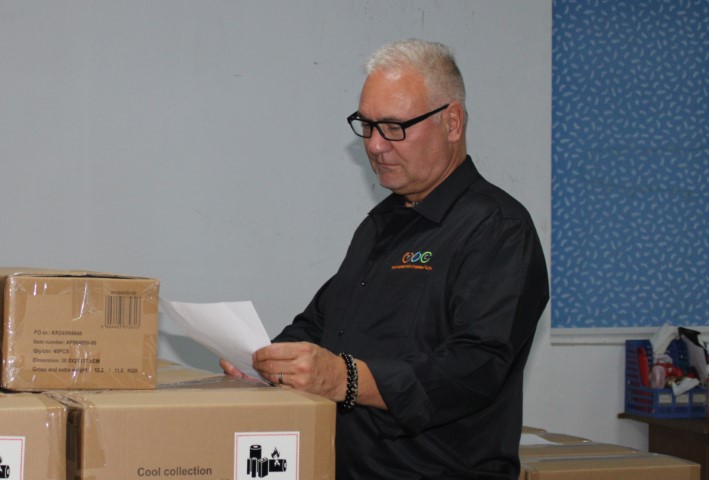
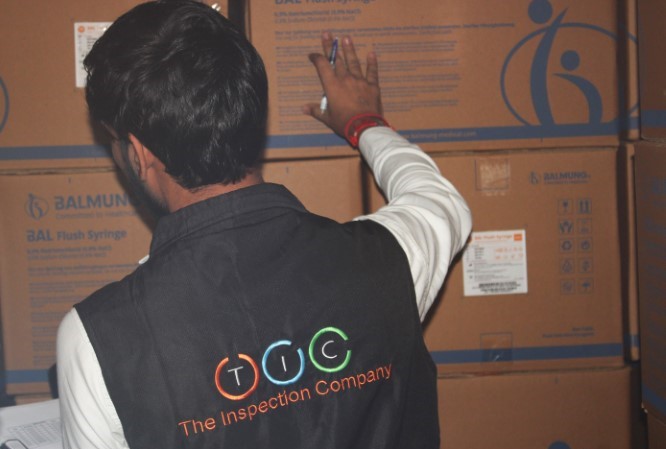
A Post-Shipment Damage Inspection is an evaluation of goods after they have been delivered to verify visible damage that occurred during transit.

  • Helps determine liability and support insurance claims
  • Provides clear, time-stamped evidence of damage
  • Conducted by trained, independent inspectors
  • Includes photos, notes, and detailed reporting

Why is Post-Shipment Damage Inspection Important?

Strengthens Your Claims

Accurate reports increase the chances of claim approval.

Reduces Disputes

Clear evidence helps avoid back-and-forth with carriers.

Protects Your Business

Minimize losses and maintain customer satisfaction.

Independent & Reliable

Unbiased inspections you can trust.

Trusted by businesses worldwide

for accurate and reliable inspections.

How Does TIC Perform the
Post-Shipment Damage Inspection?

At TIC, we follow a systematic and thorough approach to ensure the highest level of accuracy in identifying the cause of post-shipment damage.

Here’s a step-by-step breakdown of our process:

The quote will be sent to you via email
Get a Quote

Which steps does TIC follow on a PSDI?

A structured 7-step process to identify the cause of damage and recommend fixes so it doesn't happen again.

  1. Post-Shipment Damage Inspection Step 1
    Step 01 Review of Shipping Documents

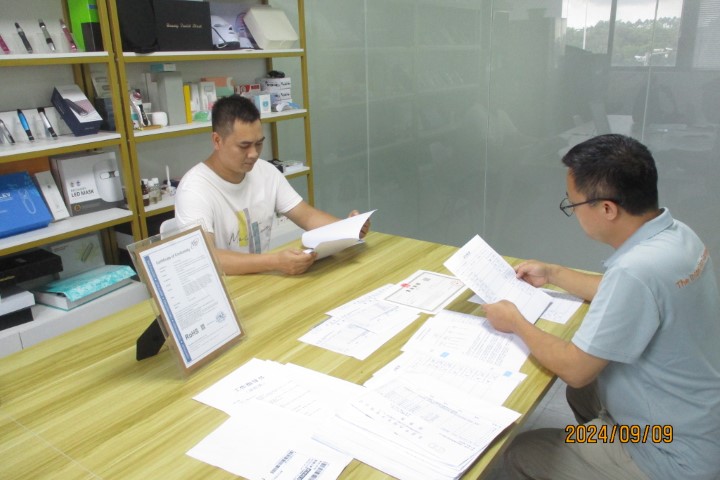
    We begin by reviewing all relevant shipping documentation, including the Bill of Lading, packing lists, and any available handling records. This helps us understand the transit path, the handling procedures during loading, and the initial condition of the goods.

    1
  2. Post-Shipment Damage Inspection Step 2
    Step 02 Visual Inspection of Packaging

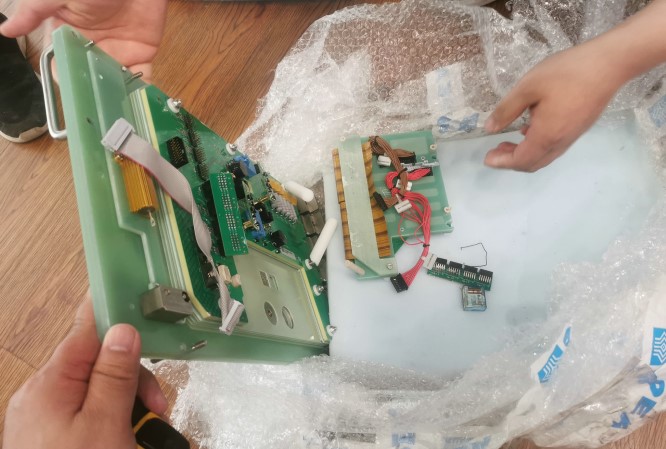
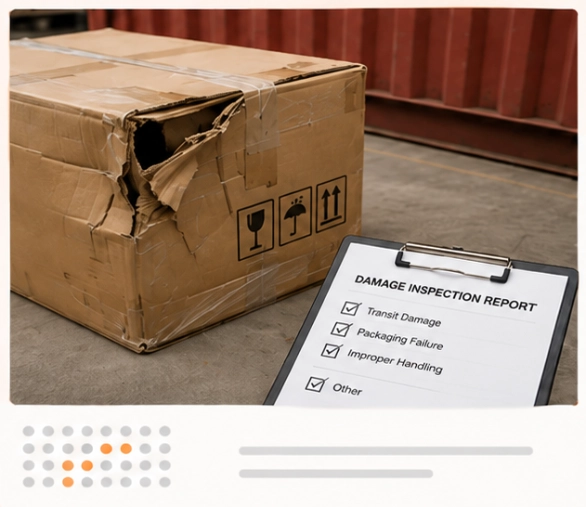
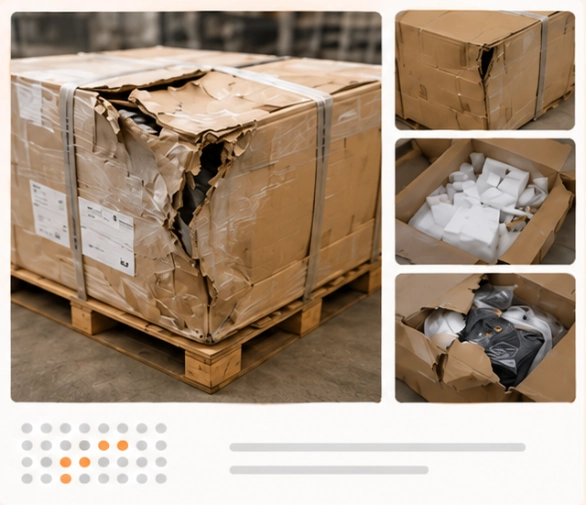
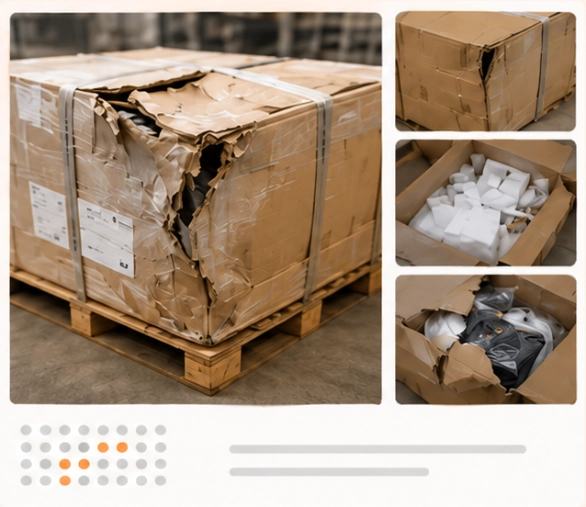
    Our inspectors perform a detailed visual inspection of the external packaging, such as containers, boxes, and pallets. We check for signs of damage, including tears, dents, moisture exposure, or any evidence of mishandling that may have occurred during transit.

    2
  3. Post-Shipment Damage Inspection Step 3
    Step 03 Inspection of the Goods

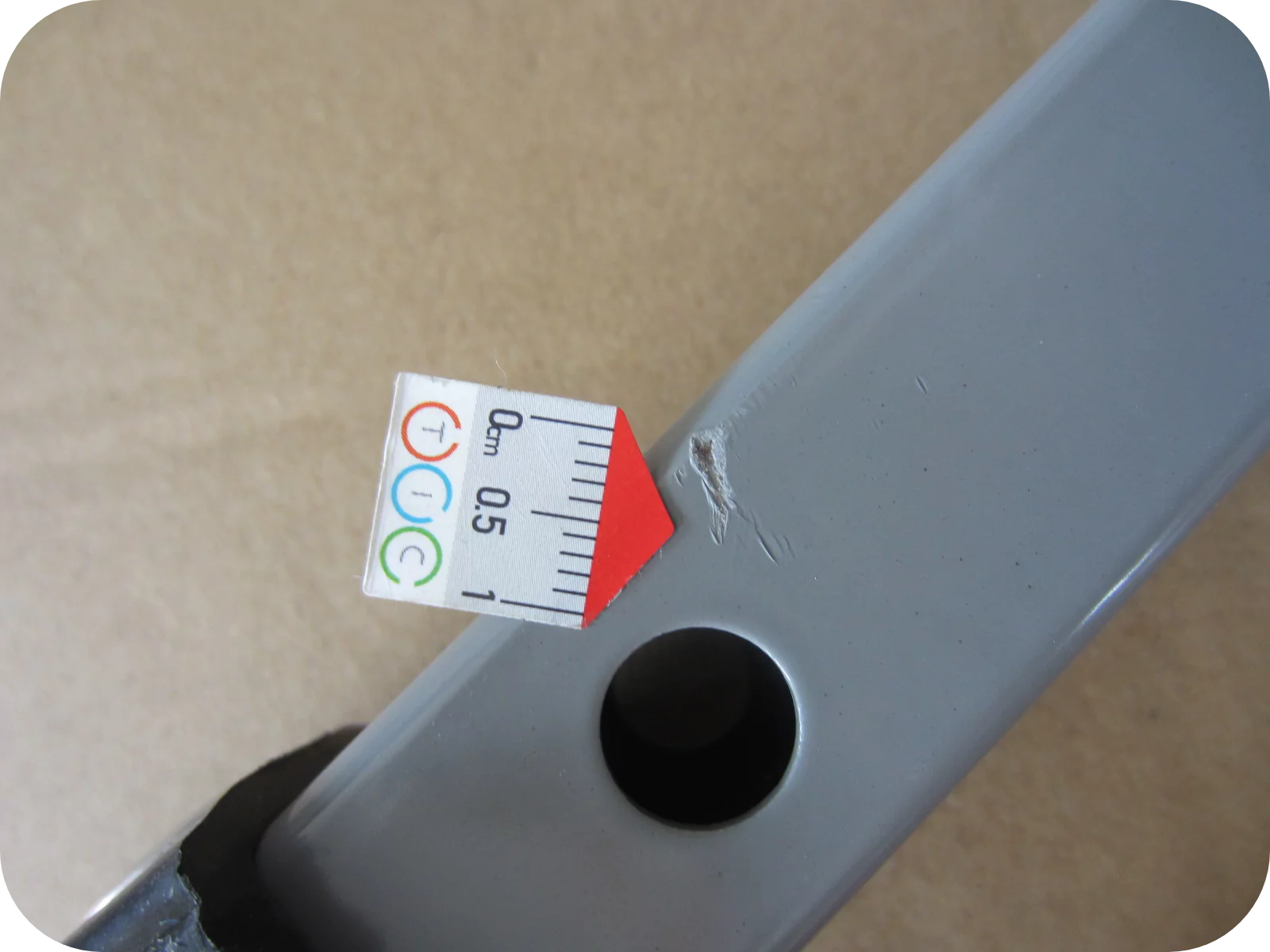
    We then carefully unbox and examine the goods inside. This involves assessing for physical damage, checking whether the goods were securely packed, and determining if any internal packaging materials failed to protect the items during shipping.

    3
  4. Post-Shipment Damage Inspection Step 4
    Step 04 Identification of Damage Cause

    Our team analyzes potential causes of the damage. This may involve reviewing environmental factors during transit, such as vibrations, temperature, humidity, or inadequate security of goods. We also assess whether mishandling during loading or unloading could have contributed to the damage.

    4
  5. Post-Shipment Damage Inspection Step 5
    Step 05 Comparison with Loading Conditions

    We compare the current condition of the goods with the loading condition report, if available. This helps us determine if the damage occurred during transport or if it was pre-existing at the time of loading.

    5
  6. Post-Shipment Damage Inspection Step 6
    Step 06 Reporting and Documentation

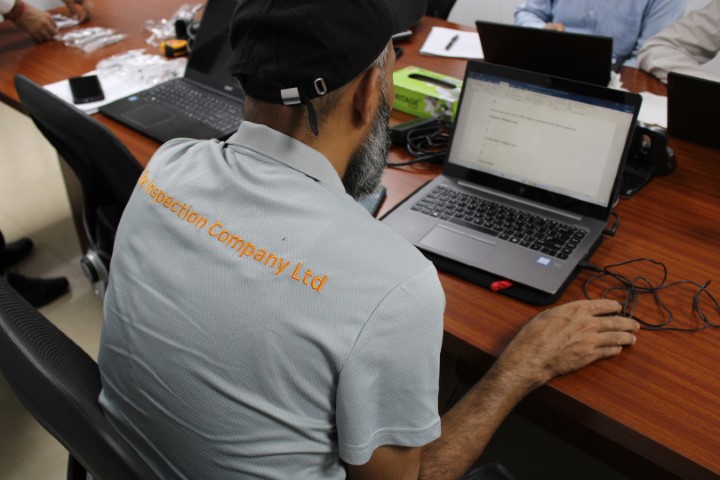
    We compile a comprehensive report detailing the nature and extent of the damage. Our report includes photographic evidence, an analysis of the possible root causes, and recommendations for preventing similar issues in future shipments.

    6
  7. Post-Shipment Damage Inspection Step 7
    Step 07 Recommendations for Improvement

    Based on our findings, we provide actionable insights for improving packaging, handling, and shipping processes to avoid similar damages in future shipments.

    7

What Happens After a Post-Shipment Damage Inspection?

Once TIC completes the inspection, you’ll receive a thorough report including:

High-resolution images of the damaged goods and packaging.

Documentation of shipping and handling issues.

Analysis of possible causes (e.g., impact, moisture, improper stacking).

A breakdown of where and how the damage likely occurred.

Clear recommendations to help you avoid similar issues in the future.

This report not only helps resolve current problems but also improves your supply chain and logistics operations going forward.

Frequently Asked Questions

Everything you need to know about Post-Shipment Inspection

Common questions from importers booking their first inspection

What is a Post-Shipment Damage Inspection (PSDI)?
A PSDI is a detailed inspection of goods upon arrival at their destination. It aims to assess and document any damage caused during transit or unloading, helping companies make informed decisions and file claims if needed.
Why should I get a PSDI done?
A PSDI helps confirm whether damage occurred during shipping or at any other stage before delivery. It is critical for insurance claims, identifying logistics issues, and improving future handling procedures.
What does the inspection report include?
The inspection report includes photos, a description of damages, a review of shipping documents, potential causes of damage, and actionable recommendations for better packaging, transport, and handling.
When should a Post-Shipment Damage Inspection be performed?
A Post-Shipment Damage Inspection should be carried out as soon as the goods arrive at their final destination, ideally before they are unpacked, moved, or put into use. Inspecting immediately preserves the evidence of any transit or handling damage and strengthens any insurance claim or dispute you may need to file.
How does a PSDI help with insurance claims?
A Post-Shipment Damage Inspection provides independent, time-stamped documentation — photographs, detailed damage descriptions, and a root-cause analysis — that insurers and carriers accept as proof. This objective evidence makes it far easier to file a successful claim, establish liability, and recover the value of goods damaged during transit.
What types of shipments need a Post-Shipment Damage Inspection?
A PSDI is valuable for any goods that travel long distances or are prone to transit damage, including fragile items, high-value products, electronics, machinery, and bulk or containerized cargo. It is especially recommended when you notice visible damage on arrival, receive goods from a new supplier, or ship along routes with a history of rough handling.

Ready to secure your supply chain?

Our experts in Asia provide professional, fast-response solutions for your inspection and audit needs.

24h Reporting Certified Experts