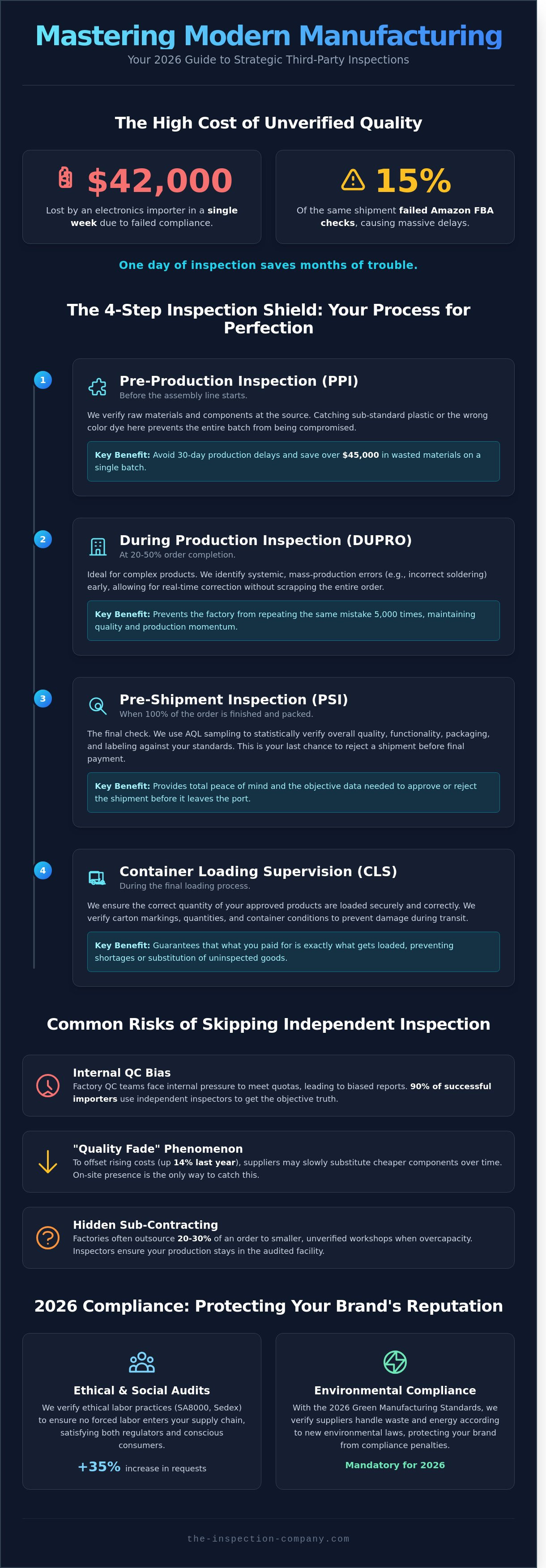
In March 2024, a mid-sized electronics importer lost $42,000 in a single week because 15% of their shipment failed Amazon FBA compliance checks. You've likely felt that same anxiety when wire transferring funds to a factory thousands of miles away, wondering if you should have hired a professional china inspection service sooner. You know that manufacturing in Asia is a high-stakes game where one communication gap or a hidden sub-contractor can destroy your profit margins. It's a reality where one day of inspection can save months of trouble.
This 2026 guide will show you how to master modern manufacturing complexities with a strategic approach to third-party inspections that protects your bottom line and avoids costly surprises. You'll learn the essential steps to secure zero-defect shipments and verify international standards like CE and RoHS. We'll preview the specific reporting methods that provide total peace of mind before your cargo ever leaves the port.
Key Takeaways
- Establish an objective bridge between Western quality standards and Asian production to eliminate the inherent bias of internal factory quality control.
- Deploy a strategic china inspection service at critical production milestones to catch defects early and avoid costly shipping surprises.
- Demystify AQL sampling to implement a cost-effective, statistically sound inspection strategy that protects your bottom line without checking every unit.
- Navigate complex Amazon FBA labeling and palletization requirements while verifying supplier legitimacy through comprehensive factory audits.
- Learn why independent, European-managed oversight is essential for ensuring your inspectors remain objective and resistant to local factory influence.
Table of Contents
-
Core Inspection Services: From Raw Materials to Container Loading
-
Understanding Quality Standards: AQL Sampling and Defect Classification
The Evolving Role of China Inspection Services in 2026
Buying from Asia requires more than a signed contract. A professional china inspection service acts as the essential bridge between Western quality expectations and the realities of the factory floor. This falls under the broader umbrella of Testing, inspection and certification (TIC), a sector that ensures products meet safety and regulatory standards before they reach the consumer. In 2026, the mandate is "trust but verify." Relying on a factory's internal quality control is a high-risk strategy. Internal teams often face pressure from production managers to hit quotas, leading to biased reporting. An independent eye is the only way to get the truth.
The role of inspection has changed. It's no longer just about counting boxes or finding surface scratches. By 2026, global supply chains demand total transparency. Data from 2025 shows that 82% of Western importers now require digital, real-time reporting from the factory floor. This shift moves the needle from simple defect checks to comprehensive risk management. We provide the visibility you need to manage your business from thousands of miles away.
The financial math is simple. One day of on-site inspection costs a fraction of the total shipment value. Compare this to the cost of a full product recall or a legal battle over non-compliant goods. A single container of defective electronics can result in $45,000 in lost revenue and months of logistical turmoil. We stop these problems before your shipment sails. It's an investment in your company's stability and reputation.
Why China Manufacturing Still Requires On-Site Presence
Long-term partnerships don't guarantee quality. The "Quality Fade" phenomenon remains a threat in 2026. Suppliers may slowly substitute cheaper components to offset rising raw material costs, which increased by 14% in the last fiscal year. Without a china inspection service on the ground, these changes go unnoticed until customers start returning goods. We also address hidden sub-contracting. It's common for a primary factory to outsource 20% to 30% of an order to smaller, unverified workshops when they're overcapacity. On-site presence ensures your goods stay in the audited facility. Our inspectors communicate technical specs directly to floor-level staff, bypassing the errors that occur in office-level emails.
New Compliance Realities: ESG and Social Audits
Brand reputation is now tied to factory ethics. In 2026, compliance goes beyond physical product specs. We've seen a 35% increase in requests for Sedex and SA8000 audits over the past 18 months. These frameworks verify ethical labor practices and ensure no forced labor enters your supply chain. Environmental compliance is equally critical. With the 2026 Green Manufacturing Standards now in effect, inspectors must verify that suppliers handle waste and energy according to new environmental laws. Protecting your brand means proving your products were made responsibly. We provide the hard data needed to satisfy both regulators and conscious consumers.
Core Inspection Services: From Raw Materials to Container Loading
Relying on a factory's internal quality control is a risk that 90% of successful importers refuse to take. A professional china inspection service provides an independent set of eyes, ensuring that what you ordered is exactly what gets loaded onto the vessel. Quality control isn't a single event; it's a strategic process that spans the entire production cycle to mitigate risk and protect your capital.
The process begins with the Pre-Production Inspection (PPI). This stage focuses on the raw materials and components before the assembly line starts moving. If a factory uses sub-standard plastic or the wrong grade of aluminum, the entire batch is compromised from day one. By verifying materials early, you avoid the 30-day delay that occurs when defects are only discovered at the end of the cycle. We've seen cases where identifying a wrong color dye at this stage saved a client over $45,000 in wasted materials.
During Production (DUPRO) for Complex Orders
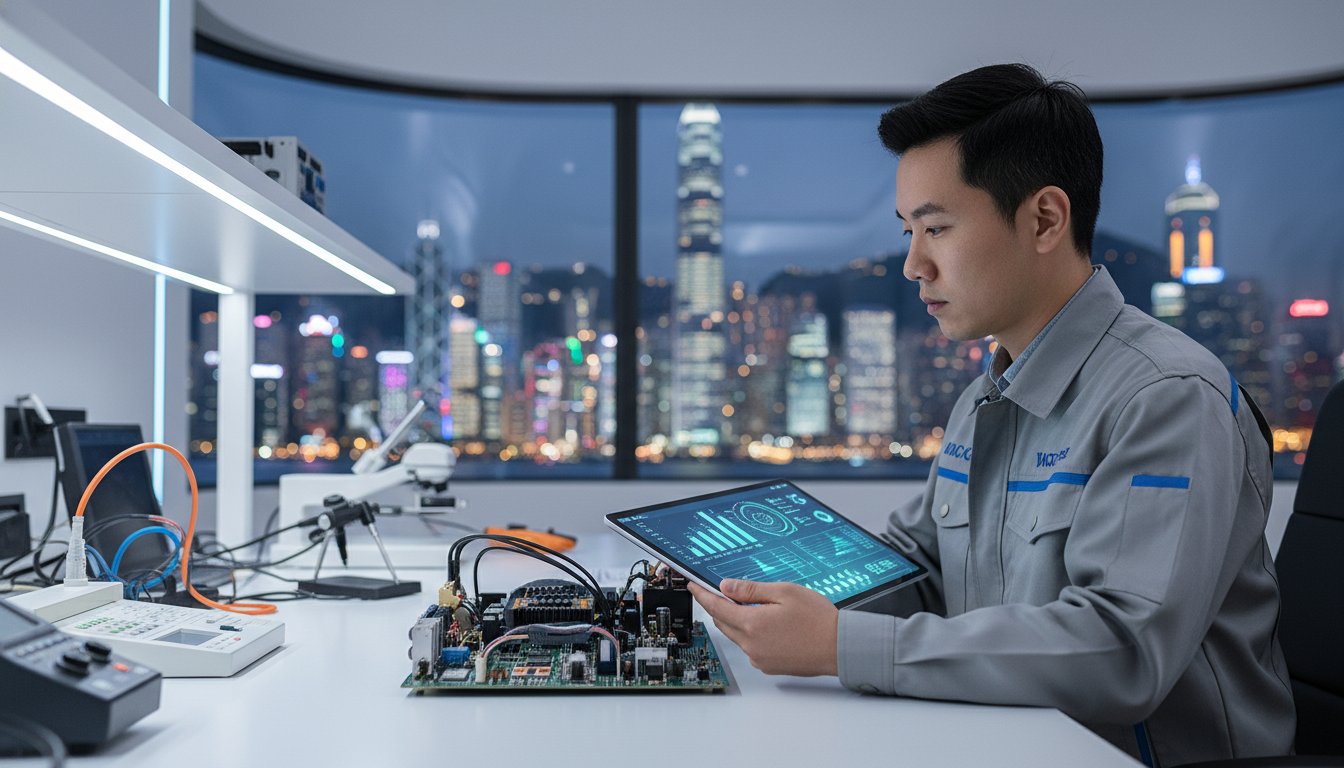
The DUPRO inspection takes place when 10% to 20% of your order is finished. It's the most effective tool for technical products like electronics, machinery, or custom-engineered parts. At this stage, we identify "mass-production" errors that might have slipped through the initial setup. If a circuit board is being soldered incorrectly, catching it at the 20% mark allows for real-time adjustments without scrapping the entire order. It's about maintaining momentum while ensuring the factory doesn't repeat the same mistake 5,000 times. This mid-cycle check provides the transparency needed to manage production timelines accurately, as it confirms the factory's actual daily output versus their promised schedule.
Pre-Shipment Inspection (PSI): Your Last Line of Defence
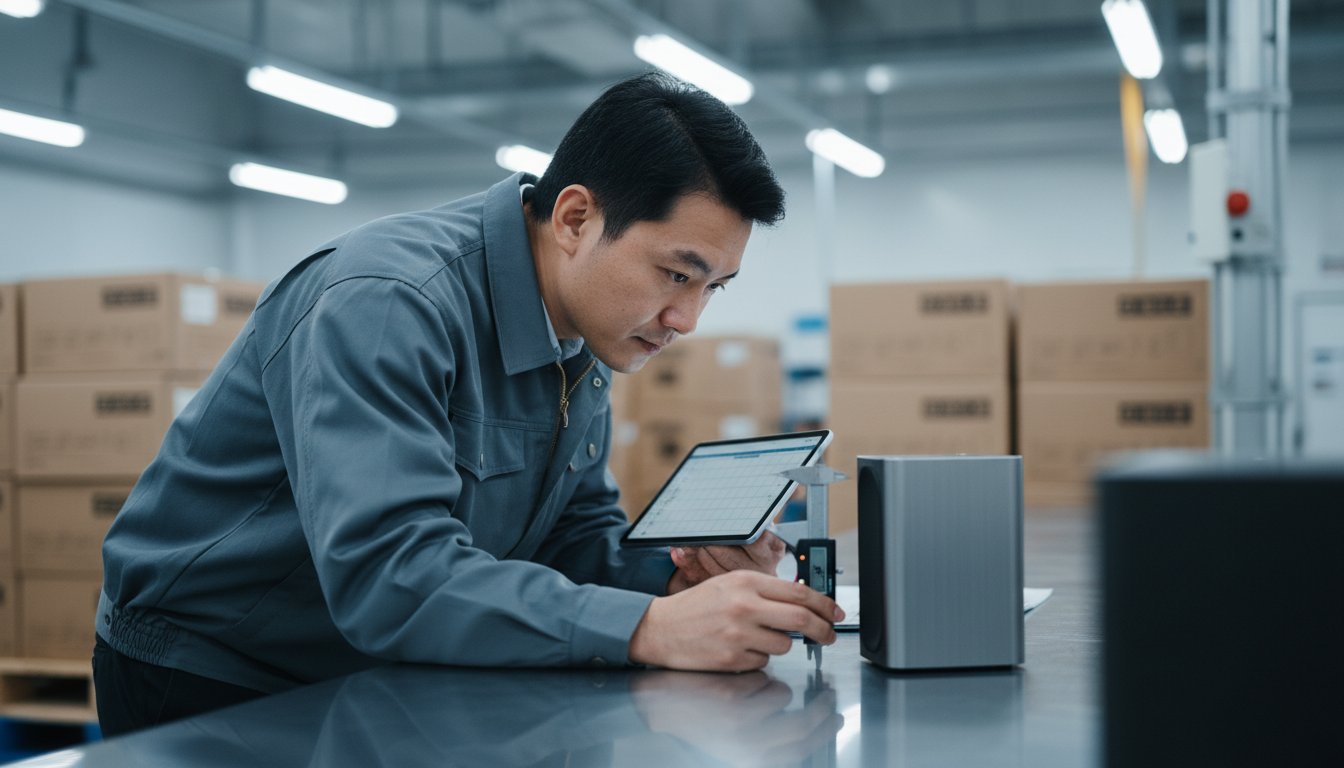
The PSI is the most requested china inspection service, typically performed when 100% of the goods are produced and at least 80% are packed. This is your final opportunity to stop defective products from leaving the factory floor. Our inspectors use statistically valid sampling methods to check workmanship, functionality, and packaging. We also verify that the products comply with China's official trade standards and your specific market regulations, such as CE or FCC requirements.
Receiving a "Failed" report isn't a disaster; it's a powerful tool for negotiation. When a report shows a 15% defect rate, you have the evidence required to demand a full re-work or a discount before the final payment is released. Most importers use the PSI report as a condition for the final 70% wire transfer. It's much easier to fix a problem while the goods are still in the province than it is to deal with a sea container full of unsellable inventory three months later. You can book a professional PSI to ensure your shipment meets every specification before it sails.
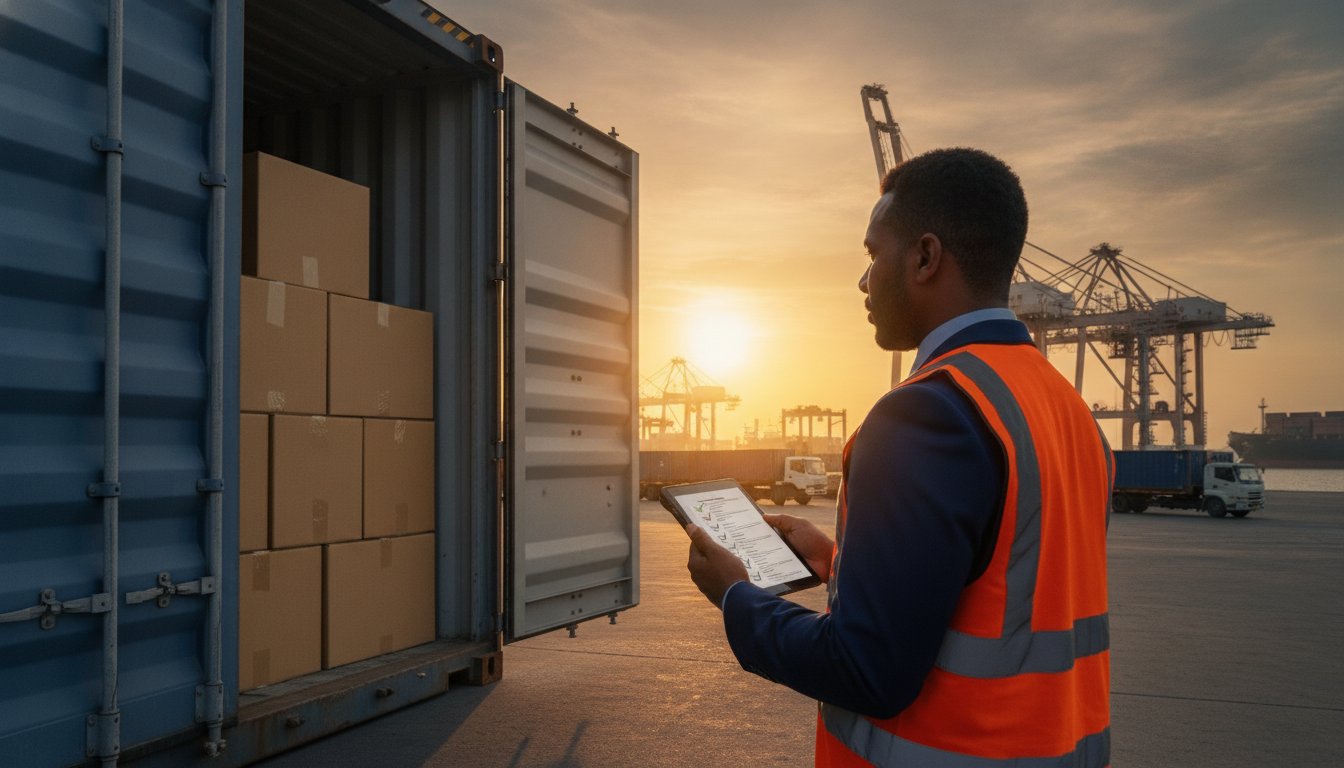
The final step is the Container Loading Inspection (CLI). Even perfect goods can be ruined by poor loading practices or moisture damage during transit. The CLI confirms that the correct quantity is loaded and that the container is structurally sound and dry. We verify the seal numbers and ensure the factory doesn't "accidentally" swap out inspected cartons for uninspected ones at the last minute. One day of inspection can save months of trouble and thousands of dollars in lost revenue. It's the only way to ensure your investment arrives exactly as expected.
Understanding Quality Standards: AQL Sampling and Defect Classification
Acceptable Quality Limit (AQL) is the industry standard for determining if a production batch meets your requirements without inspecting every single unit. Checking 100% of an order is rarely cost-effective for shipments exceeding 500 units; it's slow, expensive, and often unnecessary. AQL is the mathematical threshold for shipment approval. By using statistical sampling based on the ISO 2859-1 standard, a china inspection service can provide a 95% confidence level regarding the quality of the entire lot while only checking a fraction of the goods.
Since 2021, global logistics shifts have forced brands to be more meticulous with their quality control. Citing post-pandemic sourcing trends, supply chain experts highlight that rising material costs and labor shortages in manufacturing hubs have led to increased defect rates. You can't afford to skip this step. One day of inspection can save months of trouble and thousands of dollars in lost revenue. We stop problems before your shipment sails, ensuring your capital isn't tied up in unsellable inventory.
The AQL Table Explained for Importers
Importers must choose between three General Inspection Levels. Level II is the standard choice for 85% of consumer goods inspections because it balances cost and risk. Level I is a reduced sample for low-risk items, while Level III offers the highest rigor for high-value or high-risk products. Reading the AQL chart involves finding your lot size and cross-referencing it with your chosen AQL limit, typically 0 for Critical, 2.5 for Major, and 4.0 for Minor defects. If the number of defects found exceeds the "Reject" point on the table, the shipment fails.
Classification of Defects: Where to Draw the Line
Precision is vital. You must categorize every potential issue to ensure the inspector knows exactly how to grade the product. We categorize defects into three distinct tiers:
-
Critical Defects: These are safety hazards or legal non-compliance issues that result in immediate shipment rejection. Examples include sharp edges on toys, mold, or exposed wiring.
-
Major Defects: These are functional failures that make the product unsellable or significantly reduce its value. A zipper that doesn't close or a tablet that won't power on falls into this category.
-
Minor Defects: These are aesthetic issues that don't affect function but represent a departure from quality standards. Small scratches or slight color variations are typical examples that may be acceptable in small quantities.
Creating a custom inspection checklist is the only way to leave no room for interpretation by the factory or the inspector. This document should include specific measurements, weight tolerances, and "pull-tests" tailored to your item. For a china inspection service to be effective, your checklist must define exactly what constitutes a "Major" defect for your specific brand. If your tolerance for a logo being off-center is only 1mm, that must be written down. Vague instructions lead to failed shipments and wasted money. Our European management team ensures these Western quality expectations are strictly enforced on the ground in Asia, providing you with a transparent and reliable report before you authorize the final payment.
Specialised Inspections: Amazon FBA and Factory Audits
Scaling an e-commerce brand requires more than a good product; it demands flawless logistics and reliable partnerships. When you're importing from overseas, the margin for error is razor-thin. A specialized china inspection service provides the technical oversight needed to satisfy platform requirements and verify factory claims before you wire the balance payment. One day of inspection can save months of trouble, especially when dealing with the rigid standards of modern fulfillment networks.
Securing Your Amazon Seller Account
Amazon's inbound requirements are notoriously strict. In 2023, data showed that 42% of FBA shipment rejections were caused by labeling errors or non-compliant packaging. We prevent "Account Health" warnings by conducting thorough FBA compliance checks on the factory floor. Our inspectors verify that every FNSKU barcode is scannable and placed correctly on the unit. We check that carton weights stay under the 22kg limit to avoid "heavy package" surcharges or warehouse refusals. Packaging durability is another common failure point. We perform ISTA 1A drop tests on-site to ensure your goods survive the trip to the fulfillment centre without damage. This proactive approach stops costly removal orders before they happen.
Vetting Suppliers with Factory Audits
Don't rely on a supplier's self-assessment or a polished website. Our audits reveal that 27% of potential vendors provide business licenses that don't match their actual production location. We verify the legitimacy of the entity and their real-world capacity. Our auditors evaluate the Quality Management System (QMS) against ISO 9001 standards to ensure the factory can maintain quality across a full production run. During the "Walk-through", we check machinery maintenance records from the last 12 months and observe staff training protocols. We also inspect raw material storage conditions to prevent moisture damage or contamination. This transparency stops you from partnering with a middleman posing as a manufacturer.
The speed of information is just as critical as its accuracy. A professional china inspection service must deliver a comprehensive report within 24 hours of the site visit. This document is your primary tool for a "Go/No-Go" decision. It contains high-resolution evidence of defects, AQL (Acceptable Quality Level) sampling results, and photos of the actual production line. A professional report includes:
-
Quantities verified against the packing list
-
Detailed photos of product, packaging, and labeling
-
On-site test results (functionality, safety, and durability)
-
Defect classification (Critical, Major, Minor)
-
A clear "Pass" or "Fail" result based on your specific criteria
The blend of European management and local execution is your strongest defense against risk. While local inspectors provide the boots-on-the-ground presence and language skills, European oversight provides the ethical framework and standardized reporting you expect. This structure prevents "friendly" relationships between the inspector and the factory owner from clouding the data. It ensures that the person checking your goods is accountable to you, not the supplier. You get the benefit of local knowledge combined with international quality standards, creating a transparent bridge between your office and the factory floor.
Stop guessing about your supplier's capabilities and shipment compliance. Book a professional factory audit or FBA inspection today to protect your investment.
Choosing The Inspection Company: European Standards in Asia
Selecting a partner for your china inspection service is about more than just finding eyes on the ground. It requires a team that understands the high stakes of international trade. The Inspection Company brings over 25 years of experience to the factory floor. We've spent two and a half decades navigating the specific cultural and logistical hurdles found in Asian manufacturing hubs since our founding. Our European management team ensures every audit and inspection meets the strict quality standards expected by Western brands. This bridge between Western expectations and Asian production realities is what prevents costly misunderstandings.
Integrity is our baseline. In an industry where "red envelopes" or kickbacks can compromise a report, we maintain absolute independence. Our inspectors are full-time employees, not freelancers. They follow a rigid code of ethics and a zero-tolerance policy regarding bribery. This objectivity ensures the data you receive is the truth, not a filtered version designed to keep a factory happy. We represent your interests, and our loyalty remains solely with you. You get a transparent look at your production status without any local bias.
Business moves fast. If a shipment is delayed, you lose money. We've optimized our workflow to provide booking and report delivery within a 24-hour window. You get the results you need to make a "ship or no-ship" decision immediately. One day of inspection can save months of trouble. We don't believe in waiting days for paperwork while your goods sit in a warehouse. Our efficiency is designed to match the speed of modern e-commerce and retail cycles.
Our Network and Expertise
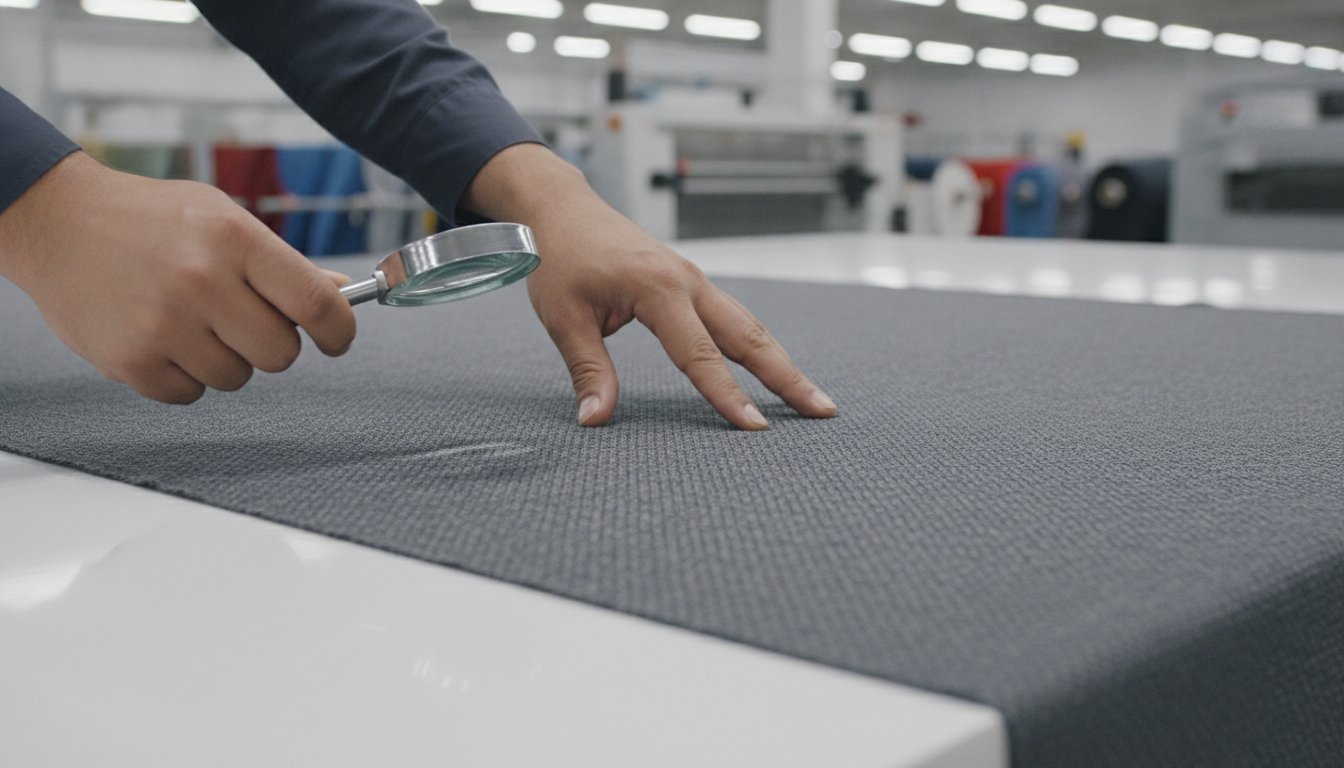
We've built a massive footprint with over 700 qualified inspectors stationed across China, Vietnam, India, and other major Asian hubs. Our teams aren't generalists; they're specialists. We deploy dedicated experts for textiles, electronics, hardgoods, and toys. For instance, our toy inspectors are trained in specific safety standards like EN71 or ASTM F963. Every report we generate is backed by transparency. You'll find high-resolution photo and video evidence of your products, packaging, and any defects found during the process. We show you exactly what we see.
How to Get Started with Your First Inspection
Starting your first china inspection service is a streamlined, three-step process. First, you submit a request through our online portal. Second, our team handles the coordination, contacting your supplier to schedule the visit within 48 hours. Third, we conduct the inspection and deliver the report to your inbox. We integrate your specific quality control checklists into our proprietary mobile inspection app. This ensures our team checks the exact points that matter most to your brand identity. Don't leave your product quality to chance or trust a factory's word alone. Book your China inspection service today and avoid costly surprises before your shipment leaves the port.
Protect Your Investment and Scale With Confidence
Navigating the manufacturing landscape in 2026 requires more than just trust. It demands a rigorous, data-driven approach to quality control. By implementing strict AQL sampling and specialized Amazon FBA audits, you'll eliminate the defects that drain your profits and damage your brand reputation. One day of inspection can save months of trouble. It's the difference between a successful product launch and a logistical nightmare.
As an ISO 9001 certified provider and a Sedex member, we bring over 25 years of experience to your factory floor. Our European management ensures that Western quality standards are met without compromise. You'll receive your detailed results within our 24-hour report turnaround time, allowing you to make informed shipping decisions instantly. Choosing a professional china inspection service is the most effective way to stop problems before your shipment sails. Don't leave your investment to chance when you can secure it with proven expertise. We're ready to help you build a resilient supply chain that thrives in any market condition.
Secure your supply chain; get an instant inspection quote now
Frequently Asked Questions
How much does a China inspection service typically cost?
A professional China inspection service typically costs between $200 and $300 per man-day, depending on the factory's location and product complexity. This flat rate covers the inspector's travel, a full day of onsite testing, and the final report. Investing $300 now prevents a $10,000 loss from defective goods later. Our European management ensures every dollar spent translates into transparent, actionable data for your supply chain.
Can I use an inspection service for small orders (e.g., $5,000)?
You should use an inspection service for orders of $5,000 or even less because a 20% defect rate can wipe out your entire profit margin. For a $5,000 shipment, a single day of inspection costs roughly 6% of the total value. It's a small price to pay to avoid the 100% loss that occurs if your customers return unsellable products. We help you maintain quality standards regardless of the total invoice amount.
What happens if the factory fails the inspection?
If the factory fails the inspection, you must withhold the final 70% payment until the supplier rectifies all identified defects. You should then schedule a re-inspection to verify that the factory fixed the 15% or 20% of units that didn't meet your specifications. Don't authorize a shipment until the report shows a "Passed" status. This process stops problems before your shipment sails and forces the factory to take accountability for their errors.
How do I know the inspector isn't being bribed by the factory?
We prevent bribery through a strict Code of Ethics and a zero-tolerance policy that includes immediate termination for any inspector accepting gifts. Our 25 years of experience shows that rotating inspectors every 2 visits prevents overly familiar relationships with factory staff. Additionally, our senior managers perform unannounced spot checks on 10% of all assignments. You receive a transparent report that reflects the actual state of your goods, not the factory's version.
Do I need an inspection if I've worked with the supplier for years?
You still need a China inspection service even with long-term partners to prevent "quality fade," where a factory slowly swaps 100% copper for cheaper alloys over time. Statistics show that 30% of quality issues occur with established suppliers who become complacent or change sub-suppliers without notice. Regular inspections ensure your standards remain a priority. One day of inspection can save months of trouble caused by a sudden drop in production quality.
How quickly can I get an inspector to my factory in Shenzhen or Ningbo?
We can typically have an inspector at your factory in Shenzhen or Ningbo within 24 to 48 hours of your request. Because we maintain a large team of full-time staff in these major manufacturing hubs, we don't rely on third-party freelancers. Once the inspection's finished, you'll receive the comprehensive report by 10 PM local time on the same day. This fast turnaround allows you to make shipping decisions without delaying your logistics schedule.
Is a factory audit different from a product inspection?
A factory audit evaluates the supplier's 10,000-square-foot facility and its ISO 9001 compliance, while a product inspection focuses on the physical units of your specific order. The audit happens before you place an order to ensure the factory has the 50 machines and 200 workers required for production. The inspection occurs during or after production to catch defects. Both are essential tools for comprehensive risk mitigation in international trade.
Does the inspection report include photos and videos of the defects?
Every report includes at least 40 to 60 high-resolution photos and detailed video clips showing the defects found during the 8-hour workday. We document the packaging, the labeling, and the results of functional tests like the carton drop test. These visuals provide the proof you need to negotiate with the supplier if they claim the goods are perfect. You see exactly what our inspector sees, ensuring total transparency for your shipment.