
What if the most expensive line item in your 2026 procurement budget isn't the ocean freight or the raw materials, but the 40-foot container of unsellable inventory currently sitting in your warehouse? Many importers ask is pre-shipment inspection necessary when they feel pressure to reduce operational costs or when they've built a comfortable relationship with a supplier. You've likely experienced the anxiety of quality fade, where the first three orders are perfect but the fourth arrives with a 12% defect rate. It's a risk that can erase months of profit in a single afternoon.
We understand that every dollar spent on quality control must justify its existence. This guide shows you why a professional inspection is your critical last line of defense before your goods leave the factory floor. You'll learn how to calculate the ROI of risk mitigation and discover the exact checklist to determine if your specific order requires an independent eye. We provide a clear, logical framework to help you avoid costly surprises and maintain total control over your supply chain.
Key Takeaways
- Learn why the Pre-Shipment Inspection (PSI) acts as your "last line of defense" to catch defects and halt payments before goods leave the factory floor.
- Analyze the financial impact of defect rates and the cost of prevention to determine exactly when is pre-shipment inspection necessary for your specific order.
- Understand the "Point of No Return" and why shipping defective products from Asia in 2026 makes returns financially impossible while destroying brand reputation.
- Identify the hidden dangers of "Quality Fade" and why relying solely on a factory’s internal quality control creates a critical conflict of interest.
- Master the strategy for integrating detailed inspection criteria into your supplier management process to ensure transparent standards and risk-free sourcing.
Table of Contents
What is Pre-Shipment Inspection and Why Does it Matter?
A Pre-shipment inspection (PSI) is a critical quality control step performed when at least 80% of your order is finished and 100% is packed. It acts as your last line of defense in the global supply chain. Once goods leave the factory and you've paid the final balance, your leverage as a buyer disappears. If defects reach your warehouse in 2026, the cost of returns or local rework can exceed the original value of the goods. We stop problems before your shipment sails to ensure you receive exactly what you paid for.
Importers often ask, is pre-shipment inspection necessary when they have a long-standing relationship with a supplier? Even with trusted partners, production errors occur due to staff turnover or raw material fluctuations. Pre-shipment inspection is the systematic verification of quality, quantity, and compliance before goods leave the factory floor. It's your final opportunity to demand re-work or stop a payment. One day of inspection can save months of trouble and protect your brand reputation.
While some governments mandate these inspections for trade compliance to verify customs valuation, most businesses use them as a voluntary risk management tool. Whether it's a legal requirement or a commercial choice, is pre-shipment inspection necessary for your bottom line? The answer is yes, as it shifts the burden of quality back to the manufacturer before the cargo is loaded.
The Core Objectives of a Professional PSI
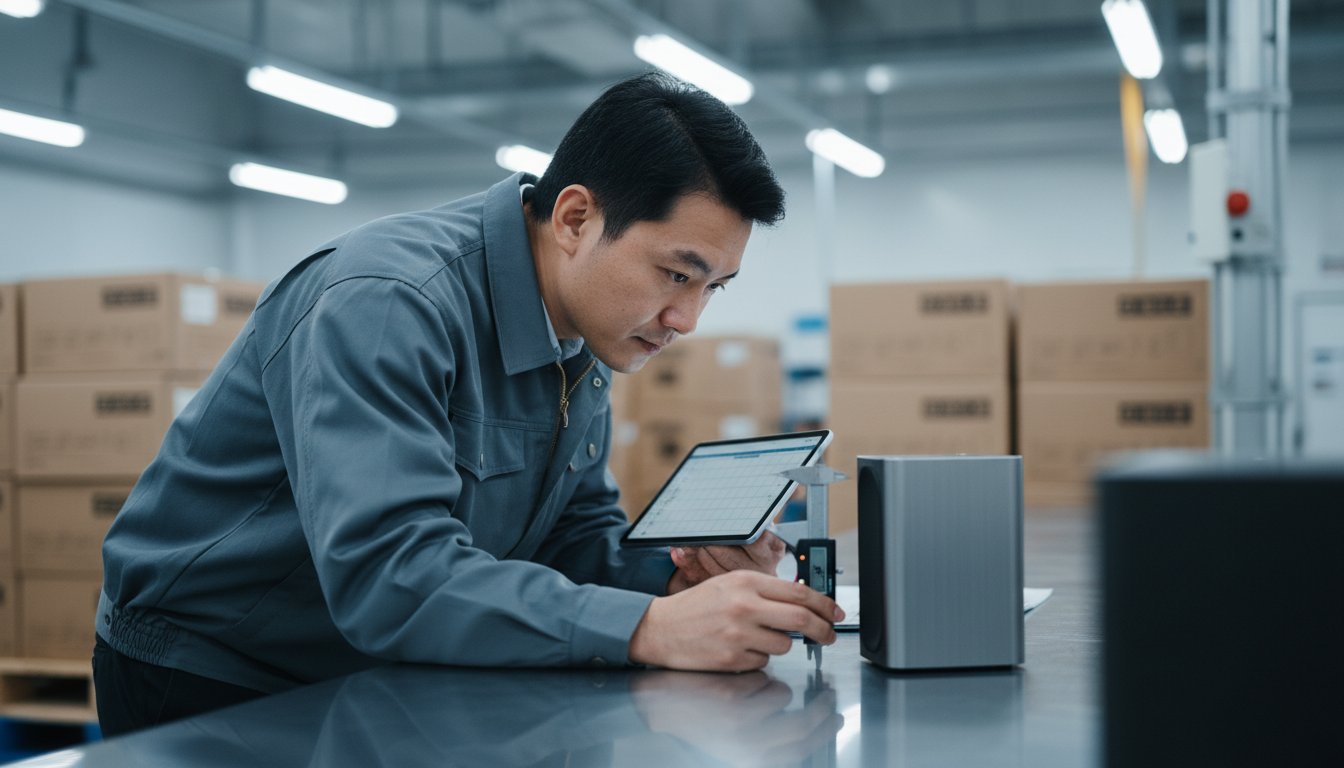
A professional PSI ensures your shipment meets the exact specifications you agreed upon. Our team focuses on three main pillars to mitigate your risk:
-
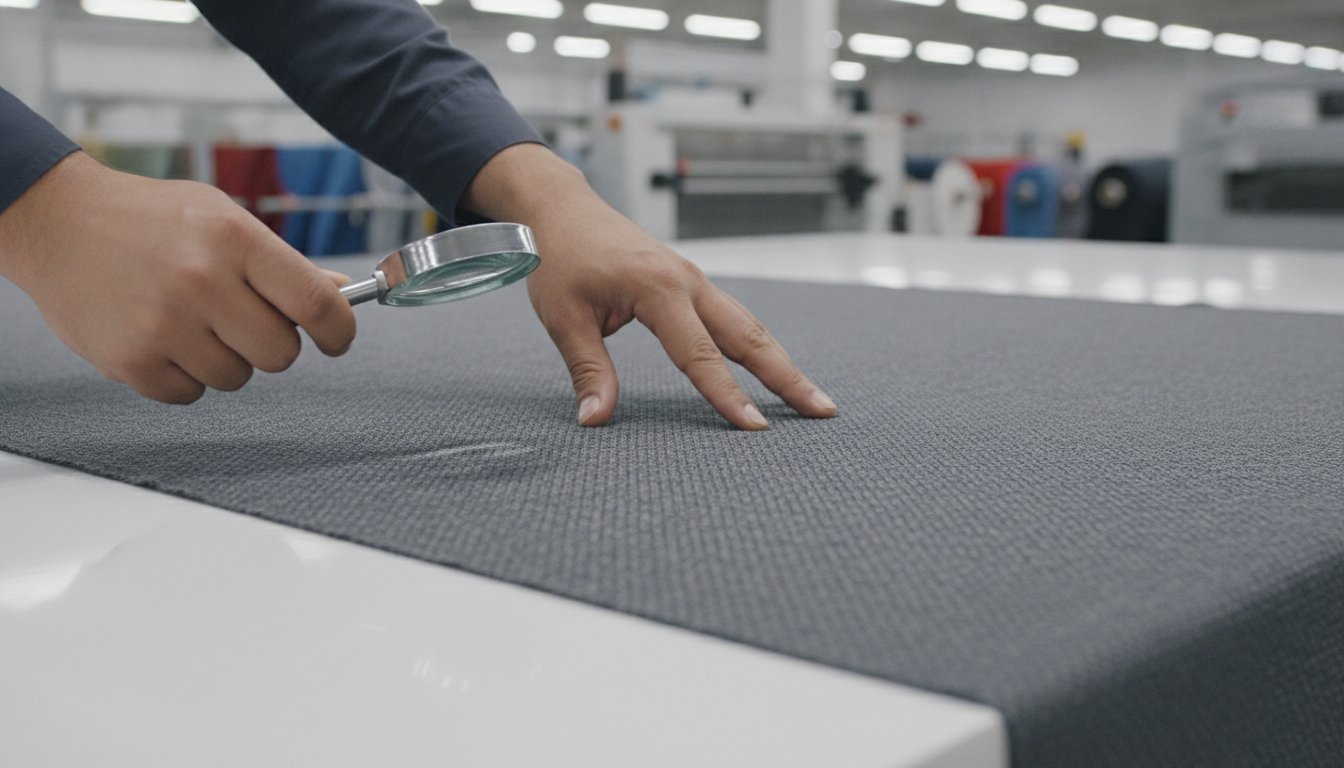
Golden Sample Comparison: We verify that the mass-produced items match your approved "Golden Sample" in every detail, from color fastness to physical dimensions.
-
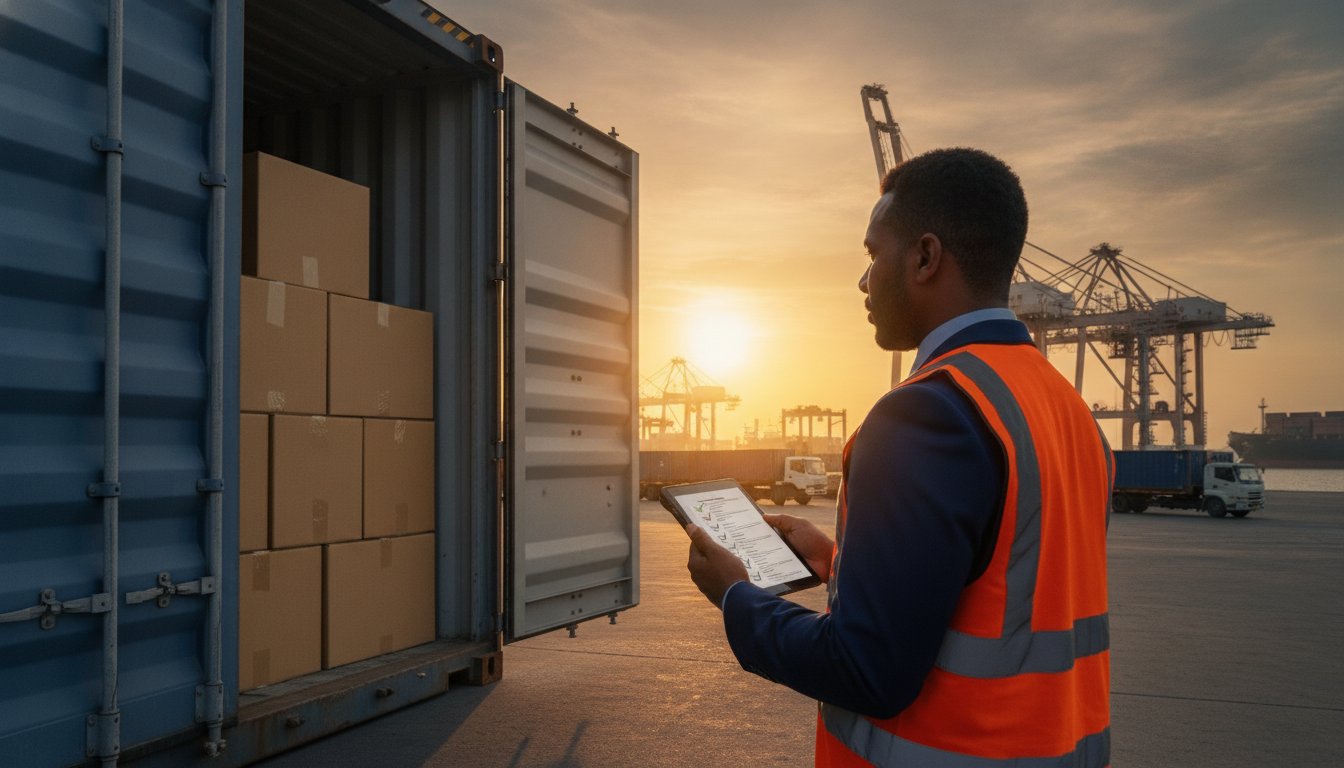
Packaging and Compliance: We check shipping marks, labeling, and barcodes. Incorrect labeling is a primary cause of costly customs delays and warehouse rejection.
-
Statistical Sampling: We utilize AQL standards to determine if a batch is acceptable or rejected. This data-driven approach removes guesswork and provides a clear, transparent report on the state of your goods.
Avoiding costly surprises requires a meticulous eye. By identifying defects on the factory floor, you maintain control over your inventory and avoid the nightmare of shipping "trash" across the ocean.
Calculating the ROI: Is Pre-Shipment Inspection Necessary for You?
To determine if is pre-shipment inspection necessary for your operations, you must calculate the true cost of failure. On a $100,000 order, a 10% defect rate isn't just a $10,000 loss. When you factor in wasted freight, import duties, and the 25% overhead required to process returns, your actual loss often doubles. Prevention through a third-party inspection costs a fraction of the total order value, usually less than 1%. It's an investment that stops problems before your shipment sails.
When weighing if is pre-shipment inspection necessary, remember that one day of inspection can save months of trouble. Relying on a factory's internal QC is a fundamental conflict of interest. A factory's primary goal is to meet shipping deadlines and secure payment. This pressure frequently leads to "Quality Fade," where a supplier gradually substitutes cheaper materials to pad their margins. Don't be misled by suppliers claiming to have European managers. While Western oversight is a positive sign, management rarely monitors the production line 24/7. Independent eyes are the only way to ensure your specifications are met every single time. You can view our services to see how we institutionalize this risk management for our clients.
4 Scenarios Where PSI is Absolutely Mandatory
-
New Supplier Relationship: You lack historical data on their production consistency. Statistics from 2024 show that 35% of first-time orders from new factories fail to meet the buyer's initial quality standards. Without a baseline, you're gambling with your capital.
-
High-Value or Complex Goods: When dealing with electronics or mechanical components, a single defect can lead to safety recalls. In 2023, product liability costs in these sectors averaged over $50,000 per incident for small to medium importers.
-
Direct-to-Customer or Amazon FBA: If goods go straight to a fulfillment center, you won't see them before the end-user does. A defect rate above 5% often triggers immediate account suspension and permanent brand damage.
-
Regulatory Compliance: Ensuring every unit is RoHS compliant or meets local safety standards is vital. Customs authorities will seize non-compliant shipments without hesitation, leading to total loss of the goods and heavy fines.

The High Stakes of Skipping: Real-World Risks in 2026
Is pre-shipment inspection necessary? To answer that, you must look at the 'Point of No Return.' Once a container is on the water, the importer has effectively accepted the goods, defects and all. Sending a 40-foot container back to a factory in Vietnam or China often costs 150% of the original production value due to freight, duties, and reverse logistics; it's a financial dead end. Without a physical check at the factory, you're essentially gambling your entire capital on the supplier's word.
Beyond the balance sheet, your brand's digital footprint is at risk. A single batch of sub-standard products can trigger a wave of 1-star reviews. These reviews don't just hurt immediate sales. They tank your SEO rankings and can increase your customer acquisition costs by 40% as you struggle to regain buyer trust. You also face severe legal liabilities. Serious product defects can lead to customs seizures or expensive lawsuits if items don't meet safety standards like CE or UL. Many buyers ask if pre-shipment inspection is necessary, but the reality is that skipping it leaves you with zero recourse once the cargo arrives.
The Amazon FBA Factor: Why Sellers Can't Afford to Skip
Amazon's 2026 algorithm prioritizes 'Account Health' above almost everything else. High return rates or 'item not as described' complaints lead to immediate Buy Box suppression. We verify FNSKU labeling and carton dimensions to prevent costly warehouse rejections. If your barcodes are unreadable or the packaging fails a drop test, Amazon will flag your account. Protecting your Buy Box requires ensuring every unit is sellable upon arrival at the fulfillment center. One day of inspection can save months of trouble. Our European management team ensures that your shipment meets the strict criteria required for modern e-commerce success.
Avoid costly surprises by booking a professional pre-shipment inspection today.
Implementing a Risk-Free Inspection Strategy
One day of inspection can save months of trouble. Integrating these checks into your supplier management process ensures that quality isn't an afterthought. You should share a detailed Inspection Criteria document with the factory before production begins. This document must include specific AQL limits, packaging requirements, and functional tests. Without these clear benchmarks, factory managers might use their own standards. This often leads to costly surprises once the container is opened at its destination.
Transitioning from basic checking to proactive management is possible through our Quality Platform. This system allows you to monitor production trends and stop problems before your shipment sails. When asking is pre-shipment inspection necessary, remember that a 5% defect rate found in Asia is a minor fix, but the same defect rate found at your warehouse is a financial disaster. Our European management on the ground in Asia provides the necessary bridge. We translate Western quality requirements into local production reality, ensuring nothing is lost in translation.
What to Look for in an Inspection Partner
Demand speed and transparency. You must receive a comprehensive report with high-resolution photos within 24 hours of the site visit. This allows you to approve or reject shipments without delaying your logistics chain. Your inspection company must also maintain independent authority. If an agency has financial ties to the factory, their reports are compromised. We maintain strict neutrality to protect your interests. Finally, verify their global reach. A professional team should be capable of reaching any factory across Asia within 48 hours. This agility is essential for maintaining tight delivery schedules in a competitive market.
Effective risk mitigation requires a partner who understands that you aren't just buying products; you're protecting your brand's reputation. By implementing a structured strategy early, you turn quality control from a nervous hurdle into a predictable part of your business growth.
Secure Your Supply Chain for 2026 and Beyond
Navigating international trade requires a strategy that prioritizes reliability over guesswork. As global supply chains face tighter regulations and higher consumer expectations in 2026, asking is pre-shipment inspection necessary becomes a fundamental step in protecting your bottom line. One day of professional oversight prevents months of logistics headaches and the high costs of product recalls. By implementing a rigorous quality control process, you eliminate the risks of receiving sub-standard goods before they ever leave the factory floor.
The Inspection Company brings over 25 years of quality control experience directly to your production line. With European management on the ground in Asia, we ensure your specific requirements are met without compromise. You'll receive detailed reports delivered within 24 hours of the site visit, giving you the data needed to make informed shipping decisions. Don't leave your brand reputation to chance when you can verify quality at the source.
Stop problems before your shipment sails—Book your professional inspection today
Take full control of your manufacturing quality and build a more resilient, profitable business today.
Frequently Asked Questions
Is pre-shipment inspection mandatory for all countries?
Pre-shipment inspections aren't mandatory for every country, but over 30 nations currently require them by law for customs clearance. Countries like Egypt, Ethiopia, and Uzbekistan mandate these inspections to verify product quality and valuation. If you ship to these regions without a Certificate of Inspection, you face port delays or immediate seizure. Always check the destination country's 2026 import regulations to avoid these costly legal traps.
How much does a typical pre-shipment inspection cost?
While costs vary based on man-days and location, the industry standard for a third-party inspection in major Asian manufacturing hubs typically ranges from $200 to $350 per man-day. This flat rate covers the inspector's travel, the physical examination of goods, and the final report. Investing this small amount prevents the total loss of a shipment, which often exceeds $20,000 for a standard 20-foot container.
Can the factory conduct the pre-shipment inspection themselves?
Factories can perform internal checks, but an independent third-party is essential because self-inspections lack objectivity. Internal reports often overlook defects to meet shipping deadlines or avoid rework costs. When asking is pre-shipment inspection necessary, consider that 85% of quality issues are detected by external eyes that aren't influenced by factory production quotas. Independent oversight ensures the 2026 quality standards are met without bias.
What happens if the products fail the pre-shipment inspection?
If a shipment fails, you have the contractual right to demand a re-work or a full replacement before you release the final payment. You should never ship failed goods, as the cost of returning defective items from overseas is 5 to 10 times higher than fixing them at the source. Once the factory corrects the errors, a follow-up inspection confirms the issues are resolved before the container is sealed.
How long does the PSI process take from booking to report?
The entire PSI process typically takes 48 to 72 hours from the initial booking to the delivery of the digital report. You should book the inspection at least 3 to 5 days before the planned shipping date to ensure availability. Because speed is critical in 2026 logistics, most professional agencies deliver the final results within 24 hours of the inspector leaving the factory floor, allowing for rapid decision-making.