
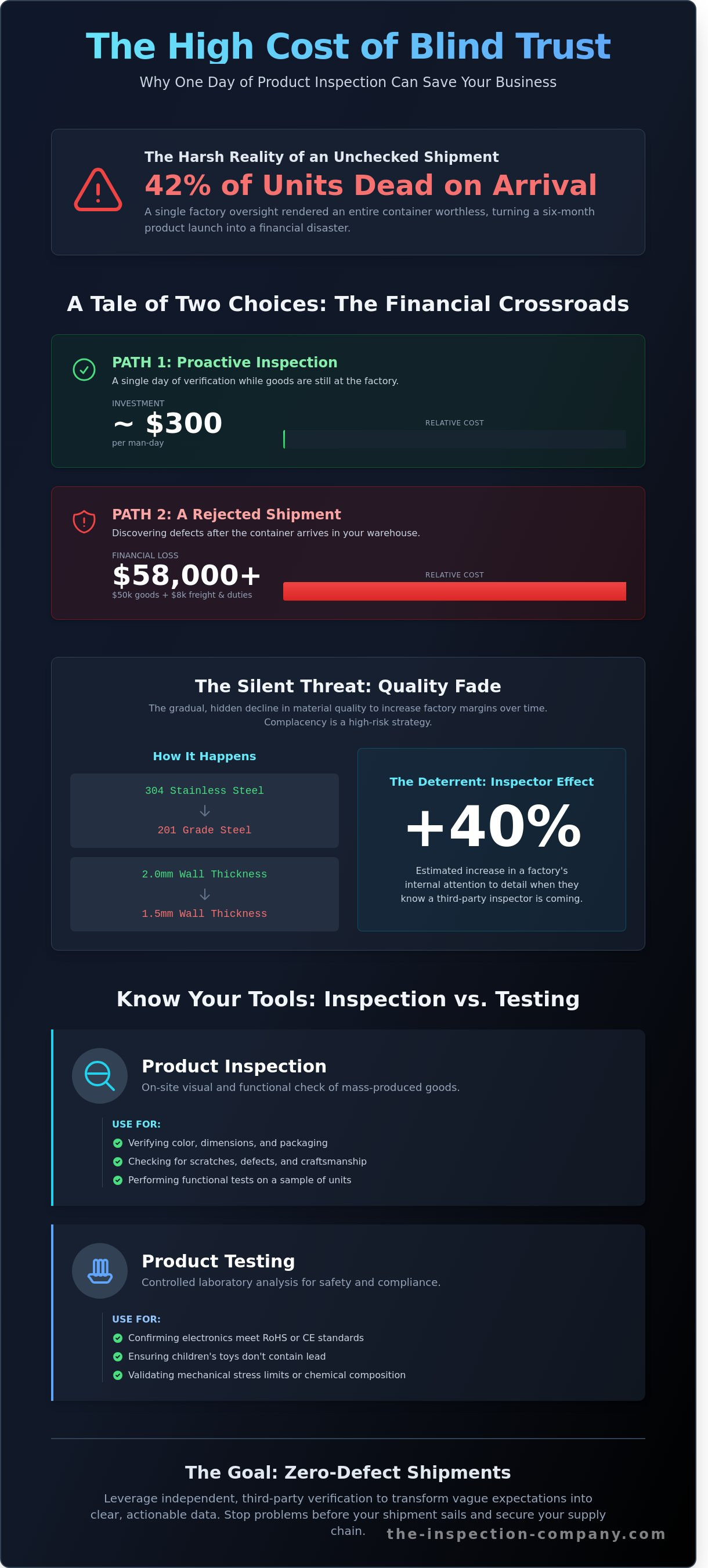
On November 12, 2025, an electronics retailer opened their latest shipment only to find that 42% of the units wouldn't power on. They'd spent six months planning the launch, yet a simple oversight at the factory level rendered the entire container worthless. You probably agree that product inspection shouldn't be a gamble. You've likely dealt with the stress of communication gaps or struggled to decode technical jargon like AQL while your capital is tied up in a distant warehouse. You know that one day of inspection can save months of trouble.
It's time to take control of your quality control process. This guide will help you master the complexities of product inspection to eliminate manufacturing risks, secure your supply chain, and ensure every shipment meets your exact standards. We'll outline the specific steps to finding a reliable "boots on the ground" partner and reaching your goal of zero-defect shipments in 2026. You'll learn how to transform confusing data into clear, actionable reports that stop problems before your shipment sails.
Key Takeaways
- Understand why a single day of verification can prevent months of legal and financial disputes in global trade.
- Learn how to select the right product inspection service for your specific risk level, from raw materials to final loading.
- Master the AQL sampling method to accurately interpret quality data and determine if your lot meets industry standards.
- Discover how to transform vague expectations into measurable criteria using the "Golden Sample" rule for foolproof quality control.
- Leverage 25 years of field experience and European management to navigate the complexities of Asian manufacturing and avoid costly surprises.
The Strategic Importance of Product Inspection in Global Trade
Product inspection is a systematic quality verification process conducted at specific production milestones to ensure goods meet your exact specifications before they leave the factory floor. The broader concept of Inspection involves examining, measuring, and testing products to confirm they align with documented requirements. In international commerce, this isn't just a checkbox; it's a vital safeguard against financial ruin. One day of product inspection can save months of legal and financial trouble by identifying defects while the goods are still in the supplier's hands.
The math is simple. A typical onsite inspection costs roughly $300 per man-day. Compare this to the cost of a rejected shipment worth $50,000, plus the $8,000 spent on sea freight and duties. Once the container arrives at your warehouse, your leverage over the factory vanishes. By 2026, supply chain transparency will be a mandatory regulatory requirement for 92% of EU-based importers under the Corporate Sustainability Due Diligence Directive. You can't claim ignorance of your supply chain's quality or ethical standards anymore. Independent third-party verification has become the gold standard because it provides an unbiased, professional eyes-on-the-ground presence that internal factory staff cannot replicate.
Why 'Trusting the Factory' is a High-Risk Strategy
Many importers fall into the trap of relaxing their guard after three or four successful shipments. This complacency leads to Quality Fade. Quality Fade is the gradual decline in material quality to increase factory margins. A supplier might swap 304 stainless steel for a cheaper 201 grade or reduce plastic wall thickness by 0.5mm to save on raw material costs. When a factory knows an independent inspector will arrive on a specific date, their internal attention to detail increases by an estimated 40%. The mere presence of a third-party professional acts as a powerful psychological deterrent against cutting corners.
Product Inspection vs. Product Testing: Clearing the Confusion
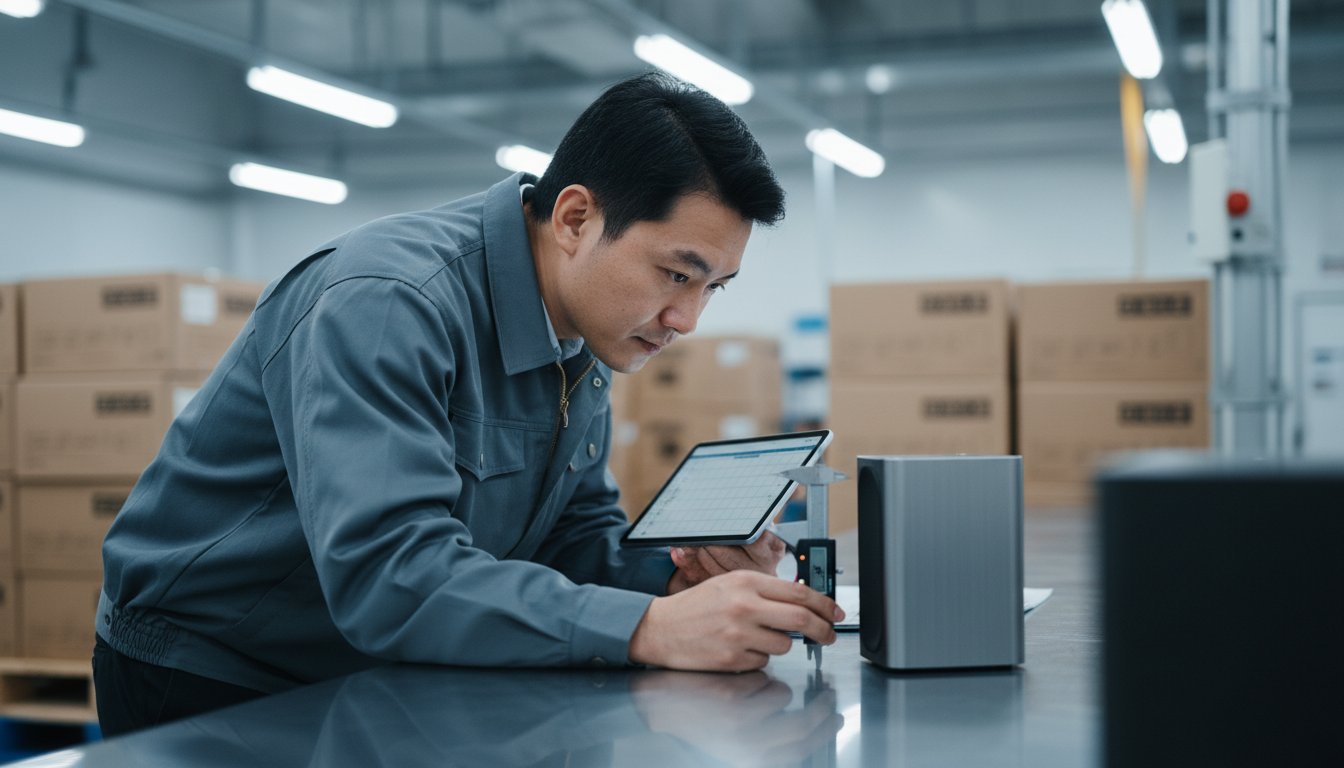
It's easy to confuse these two services, but they serve different roles in your risk mitigation strategy. Product inspection is an onsite, visual, and functional check of the mass-produced goods. It verifies that the color, dimensions, packaging, and basic operations match your "golden sample." It's about quantity and craftsmanship. Conversely, product testing happens in a controlled laboratory environment. This is where technicians use specialized equipment to check chemical compositions or mechanical stress limits.
- Use Inspection for: Checking for scratches, verifying carton markings, and performing functional "drop tests" on 200 units from a batch.
- Use Testing for: Ensuring your electronics meet RoHS standards or that children's toys don't contain lead.
You need both for full compliance. For instance, if you're importing CE-marked power tools, you must prioritize laboratory testing once a year to verify internal component safety. However, you should use onsite inspections for every single order to ensure the factory didn't use a cheaper, non-certified motor in the latest production run. This dual approach stops problems before your shipment sails, keeping your brand reputation intact and your customers safe.
The 5 Essential Types of Product Inspection Services
Product inspection is a lifecycle, not a one-time event. It spans from raw material validation to the final closing of the container doors. Timing is everything in international trade. A defect discovered on the factory floor costs roughly $0.25 to $1.50 to rectify. That same defect found in a distribution center in Berlin or Los Angeles can cost $20.00 per unit once you factor in return shipping, labor, and lost customer trust. Smart importers match their inspection level to the product's complexity and the supplier's track record to mitigate these financial risks.
Modern supply chains rely on speed. We deliver a comprehensive report within 24 hours of the site visit. This document is your "Go/No-Go" trigger. It provides the objective data needed to authorize shipment or halt production before capital is wasted. While machine learning improves manufacturing inspections by flagging data trends, physical on-site presence remains the only way to verify tactile quality and packaging integrity. You must catch errors before the goods leave the factory gates.
Pre-Shipment Inspection (PSI): The Final Gatekeeper
The PSI is the industry standard for 90% of global importers. It occurs when 100% of the order is produced and at least 80% is packed. Inspectors evaluate quantity, workmanship, function, labeling, and packaging using AQL standards. It's your last chance to catch errors. Never pay the final 70% balance to a factory until you've received a passed PSI report. This financial leverage is the only way to ensure the supplier takes corrective action on identified defects.
During Production (DUPRO) and Initial Checks
DUPRO inspections happen when 20% of the order is finished. This stage identifies systemic defects early. If a machine is calibrated incorrectly, it's better to find out after 200 units than after 2,000. For new or complex designs, an Initial Production Check (IPC) validates the raw materials before assembly begins. In a 2023 case, an early DUPRO check found 5,000 units of kitchenware being produced in a color 4 shades off the specification. Catching this early saved the client $18,000 in replacement costs and prevented a 3-week shipping delay.
Amazon FBA Inspection: Specialized Requirements
Amazon's 2024 requirements for inbound shipments are incredibly strict. A standard product inspection isn't enough for FBA sellers. These specialized checks focus on FNSKU labeling accuracy, carton weight limits of 50 lbs, and palletization rules. We verify "Sold as Set" stickers and ensure packaging is "Ready to Ship" to avoid Account Health warnings. One labeling error can lead to Amazon rejecting an entire container, costing thousands in 3PL relabeling fees. You can book a specialized FBA audit to secure your seller rating and avoid these avoidable expenses.
Understanding AQL Sampling: How to Read the Data
Professional product inspection relies on the Acceptable Quality Limit (AQL) to provide a statistically valid snapshot of an entire shipment. Checking 100% of a 10,000-unit order is rarely feasible. It adds five to seven days to a production timeline and dramatically increases labor costs. Statistical sampling, based on the ISO 2859-1 standard, provides high confidence in the results without these logistical burdens. This method uses mathematical tables to determine exactly how many units an inspector must check to represent the whole lot accurately.
The AQL table determines sample sizes based on the total lot size and the chosen inspection level. For a lot of 3,201 to 10,000 units, a General Inspection Level II requires a sample size of 200 units. This statistical rigor ensures that the findings aren't based on luck or cherry-picked samples. It mirrors the precision found in the FDA's approach to inspections, where standardized protocols ensure that safety and quality are measured against objective, repeatable data points rather than subjective observations.
Choosing the right General Inspection Level is a strategic decision for any importer. Level II is the industry standard for most consumer goods. Level I is used when you have a long history of high-quality shipments from a supplier and want to reduce costs by checking fewer units. Level III is the most stringent; it requires a larger sample size and is recommended for new suppliers or high-value electronics where the risk of failure is too high to ignore. By selecting the appropriate level, you control your risk and your inspection budget simultaneously.
Defining Defects: Critical, Major, and Minor
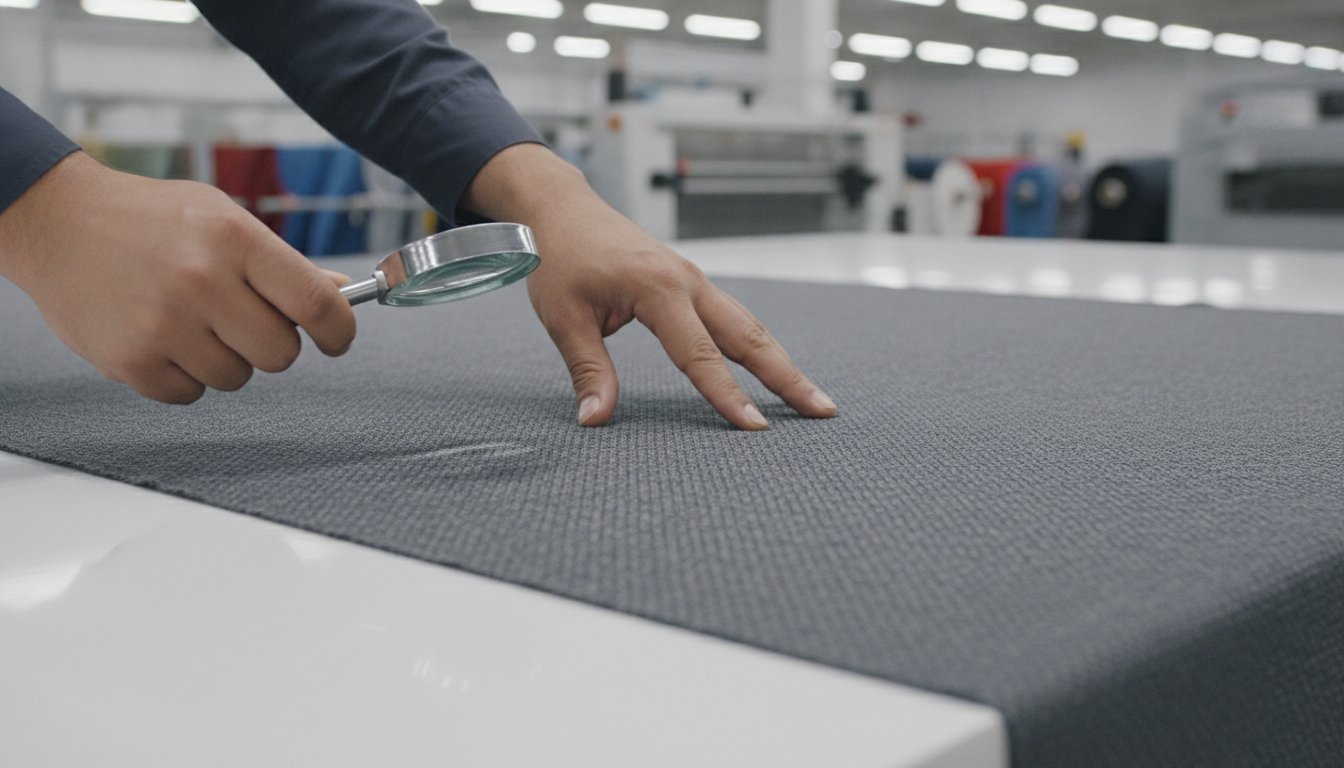
During a product inspection, every flaw is categorized into one of three buckets. Critical Defects are non-negotiable; these include safety hazards like sharp edges or exposed wiring that could harm a consumer or lead to a legal recall. We maintain a zero-tolerance policy for these. Major Defects involve functional failures, such as a toaster that won't power on, which make the product unsellable to a reasonable customer. Minor Defects are aesthetic deviations, like a small scratch on a backplate, that don't affect function but still represent a departure from your original specifications.
The 'Pass/Fail/Pending' Verdict
The final result of an inspection report isn't a guess. It's a calculation. The AQL table provides an "Accept" and "Reject" number for each defect category. If the limit for major defects is 10 and the inspector finds 11, the report triggers a "Fail" result. This data-driven verdict removes emotion from the process. A "Pending" result occurs when specific tests are inconclusive or when a factory disputes a finding. In these cases, the report provides the evidence, but the final shipping decision moves to your discretion. AQL 2.5/4.0 is the standard for most consumer electronics. This means the shipment passes if it contains fewer than 2.5% major defects and 4.0% minor defects across the total sample. Using these benchmarks helps you avoid costly surprises before your shipment sails.
How to Build a Foolproof Inspection Checklist
A vague checklist leads to a failed shipment. Your inspector needs a "Golden Sample" to succeed. This physical reference point, signed by both you and the factory management, prevents disputes over "off-spec" colors or textures. If a physical sample isn't possible, a high-resolution digital master with 3D renderings and specific material callouts serves as the baseline. Without this anchor, "good quality" is just an opinion. In the world of global trade, opinions lead to $10,000 mistakes. Your checklist transforms these subjective feelings into objective, pass-fail data points.
Step 1: Defining Your Product Specifications
Precision is the only way to avoid trouble. "High-grade plastic" doesn't mean anything to a factory. You must specify "ABS Grade 747" or similar. Include technical CAD drawings and 1:1 scale blueprints. Don't forget the packaging. 15% of shipping damage occurs because export cartons don't meet the 200 lbs per square inch burst strength requirement. Your brief should include shipping marks and palletization rules to ensure your logistics provider doesn't reject the cargo.
Step 2: Setting Your Tolerance Levels
Production isn't perfect. You need to define the "Acceptable Quality Level" (AQL) using ISO 2859-1 standards. Instead of saying "red," specify Pantone 18-1664 with a Delta E variance of less than 2.0. If a measurement is 50mm, decide if 49.5mm is a pass or a fail. Share these boundaries with the factory 30 days before production starts. This removes the "I didn't know" excuse when defects appear during the product inspection process.
Step 3: Actioning the Inspection Report
A "Failed" report isn't an end; it's a negotiation tool. Use the data to demand rework on the 12% of defective units found. If the failure rate exceeds your AQL, the standard protocol dictates the factory pays for the re-inspection, which typically costs $300 per man-day. Don't release the final 70% payment until the "Pass" certificate is issued. This financial leverage ensures the supplier takes your quality standards seriously and prioritizes your corrections.
Beyond visual checks, your checklist must include rigorous on-site functional tests. A 1.2-meter drop test ensures your electronics survive the rough handling of international couriers. Barcode scans verify that 100% of your SKUs will register correctly at the destination warehouse. For electrical goods, hi-pot testing at 1500V is essential to prevent safety recalls and legal liability. These tests find the hidden defects that a simple photo cannot capture. One day of inspection can save months of trouble by identifying these failures before the container is sealed.
Relying on a factory's internal QC is a gamble that rarely pays off. We've seen that 35% of factory-led reports overlook critical defects to meet shipping deadlines. By building a checklist that relies on Pantone 18-1664 instead of "bright red," and 0.5mm tolerances instead of "close enough," you take control of your supply chain. This meticulous approach stops problems before your shipment sails and protects your brand's reputation in the marketplace.
The Inspection Company: Your European Partner in Asia
The Inspection Company (TIC) bridges the gap between Western quality expectations and the realities of Asian manufacturing. We provide a unique blend of European management and a massive operational footprint across the continent. With over 25 years of experience, we've seen every trick in the factory book. Whether it's a supplier swapping high-grade components for cheaper alternatives or hiding defects at the bottom of a pallet, we know exactly where the risks hide. We've conducted over 50,000 site visits, building a deep knowledge base of factory behaviors that directly protects your brand's bottom line and reputation.
Speed serves as a primary competitive advantage for our clients. In a market where supply chain delays cost thousands of dollars per day, we don't let quality control slow you down. If you book a product inspection today, our team is on-site tomorrow. You'll receive a comprehensive digital report within 24 hours of the inspector leaving the factory. This rapid turnaround allows you to make shipping decisions in real-time without missing your vessel deadlines or incurring expensive port storage fees.
Our network of 700+ inspectors provides local expertise across every major Asian manufacturing hub. These professionals aren't just general observers; they're category specialists in fields like electronics, toys, and industrial machinery. They live in the industrial zones of China, Vietnam, and India, meaning they don't lose time on long-distance travel. This local presence allows us to react to urgent requests within a 12-hour window and ensures your requirements are communicated in the local language without technical errors.
Transparency Through Technology
We've removed the "distance" from your supply chain by providing detailed photo and video evidence in every report. You'll see the actual state of your goods as if you were on the factory floor. Our online platform streamlines the process for busy importers, allowing you to manage all quality data in one place. You get direct access to European account managers who speak your business language.
Minimizing Risk, Maximizing ROI
Think of a product inspection as an investment. Preventing one container of defective goods can save your business over $100,000 in lost inventory and shipping fees. We maintain strict ISO 9001 standards, ensuring every audit is performed with professional integrity. Our goal is to stop problems before your shipment sails, giving you the confidence to scale your business without fear of quality failure.
Secure Your Supply Chain Success in 2026
Navigating Asian manufacturing in 2026 requires more than just trust. It demands a systematic approach to quality control. You’ve seen how AQL sampling provides the mathematical certainty needed to accept or reject a batch. You also know that a rigorous checklist acts as your eyes on the factory floor. Without these tools, you're leaving your brand's reputation to chance. One day of professional product inspection prevents months of financial recovery from defective goods.
The Inspection Company brings European management standards to the ground in Asia with over 25 years of industry experience. Our network of 700+ professional inspectors ensures your specifications are met across every major manufacturing hub. We don't make you wait for answers. You'll receive a detailed, transparent report within 24 hours of the site visit. This speed allows you to make informed decisions before any balance payments are made.
Book your product inspection today and stop problems before your shipment sails.
Your global trade success starts with verified quality and total transparency.
Frequently Asked Questions
What is the difference between a factory audit and a product inspection?
A factory audit evaluates the supplier's production capability and quality management systems before you place an order. In contrast, a product inspection focuses on the physical goods to ensure they meet your specifications after production begins. Think of the audit as checking the chef and the inspection as checking the meal. We recommend an audit to vet new partners and a PSI for every shipment.
How much does a typical product inspection in China or Vietnam cost?
A standard product inspection in major manufacturing hubs like Shenzhen or Ho Chi Minh City typically costs between $200 and $300 USD per man-day. This flat rate covers the inspector's time on-site and the generation of a comprehensive digital report. Travel expenses might apply if the factory is located more than 50 kilometers from the nearest inspector hub. One day of inspection can save months of trouble.
Who is responsible for paying for the inspection: the buyer or the supplier?
The buyer usually pays for the initial inspection to maintain the inspector's independence and avoid conflicts of interest. We see 95% of professional importers handle this cost directly as part of their risk management strategy. However, smart contracts often include a clause requiring the supplier to pay for any second inspection if the first report comes back with a "Failed" status. This holds the factory accountable.
Can I perform a product inspection myself if I visit the factory?
You can visit the factory yourself, but it's rarely the most cost-effective or reliable method. A round-trip flight to Asia often exceeds $1,500; plus, you may lack the specialized testing equipment or knowledge of AQL sampling tables needed for a thorough check. Professional inspectors are already on the ground. They provide an objective, third-party perspective that's difficult to maintain when you're meeting a supplier face-to-face.
What happens if the product inspection report comes back as 'Failed'?
If the report shows a "Failed" result, don't authorize the shipment or pay the final balance. You must demand that the factory performs a 100% rework of the batch to fix identified defects. Our data shows that roughly 15% of initial inspections result in a failure. Once the factory claims the issues are resolved, book a re-inspection to verify the corrections before the goods leave the warehouse.
How many units will the inspector actually check in a 5,000-unit order?
For a 5,000-unit order, an inspector typically checks 200 units using the industry-standard AQL Level II sampling plan. This statistically significant sample provides a 95% confidence level that the entire batch meets your quality requirements. We examine these 200 items for critical, major, and minor defects. Checking every single item is usually too time-consuming and expensive for most consumer goods.
Is a product inspection enough to ensure my goods are legal in the US or EU?
A product inspection verifies physical quality and workmanship, but it doesn't replace laboratory testing for legal compliance. Regulations like REACH in the EU or CPSIA in the US require chemical analysis that can't be done on a factory floor. You must combine on-site inspections with 3rd-party lab tests to ensure your goods are 100% legal. Don't risk heavy fines or product recalls by skipping these essential safety checks.
How long does it take to receive the final inspection report after the visit?
You'll receive the final inspection report within 24 hours of the inspector finishing their work at the factory. In most cases, we deliver the digital report by 18:00 on the same day or by 09:00 the following morning. This fast turnaround allows you to make immediate decisions about shipping and payments. Our transparent process ensures you have the facts quickly so you can avoid costly surprises before shipment.