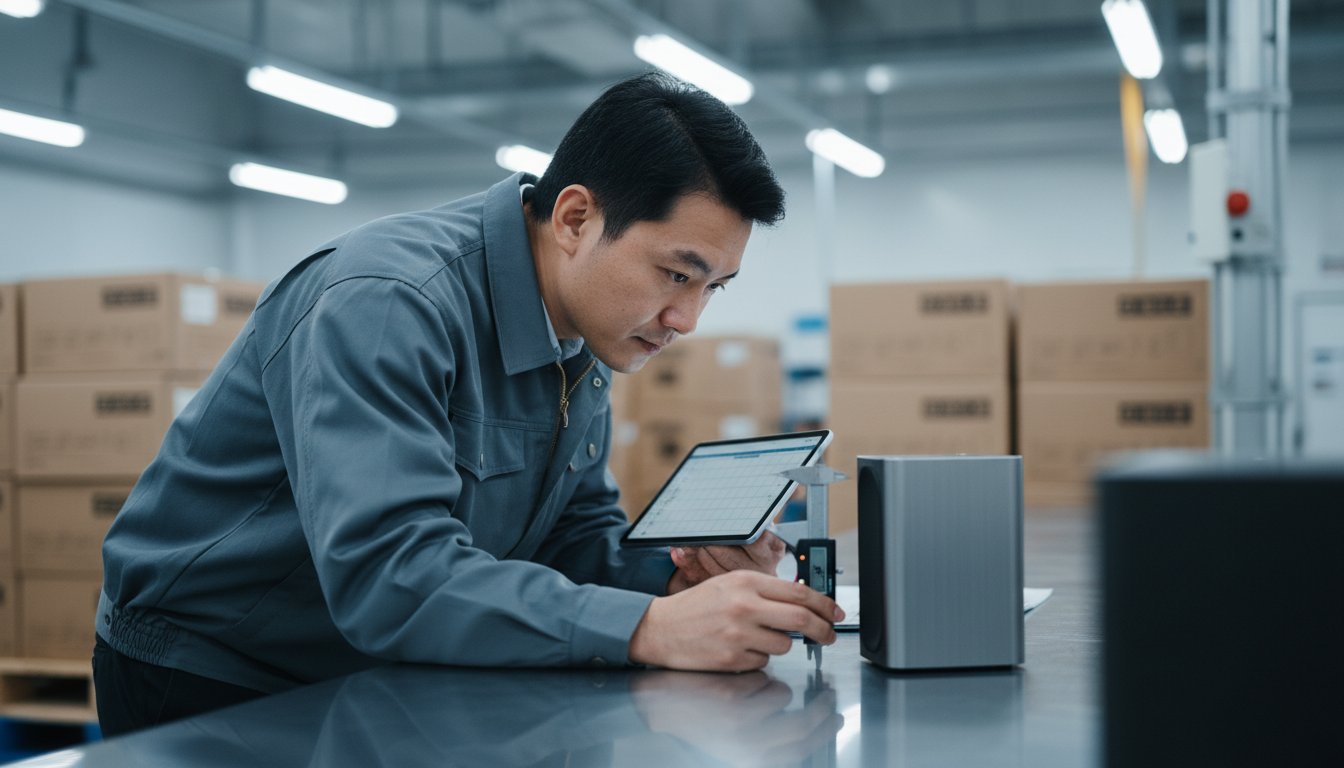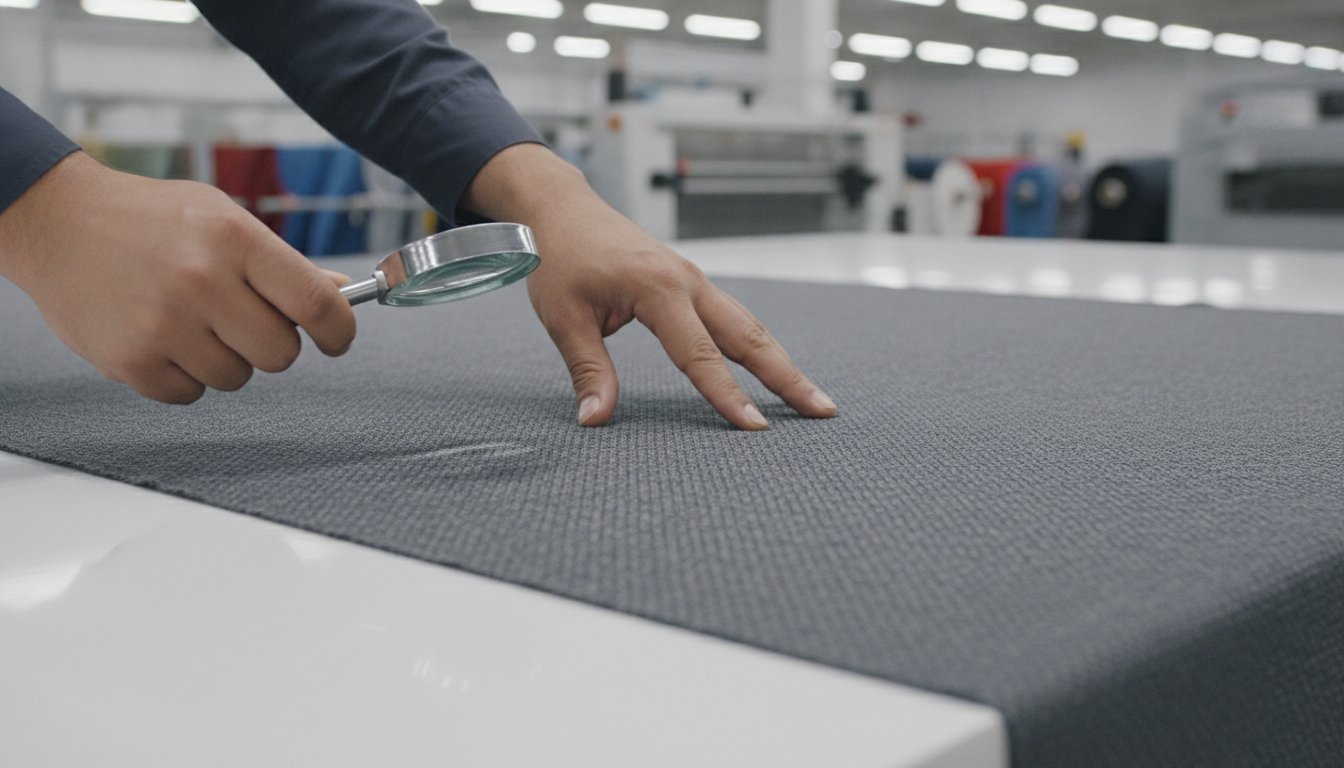

You've developed a winning product, found a manufacturer, and are ready to scale. But a nagging worry persists: what's stopping your factory from becoming your biggest competitor? Or worse, what if you discover someone has already registered your brand name in China, holding it hostage? These aren't unfounded fears; they are costly realities for importers who neglect one critical step: robust ip protection china. Many entrepreneurs mistakenly believe their home-country patents or a standard NDA will suffice, only to face counterfeit products and legal battles they cannot win.
This practical guide is designed to replace that uncertainty with confidence. We will provide a clear checklist of the essential legal and practical steps to safeguard your brand, products, and designs when manufacturing in China. You'll learn which protections offer the most value for your investment and how to manage supplier relationships to minimize risk, ensuring your intellectual property remains securely yours. Avoid costly surprises and protect your most valuable assets before your first production run begins.
Understanding the IP Landscape in China: Key Risks for Importers
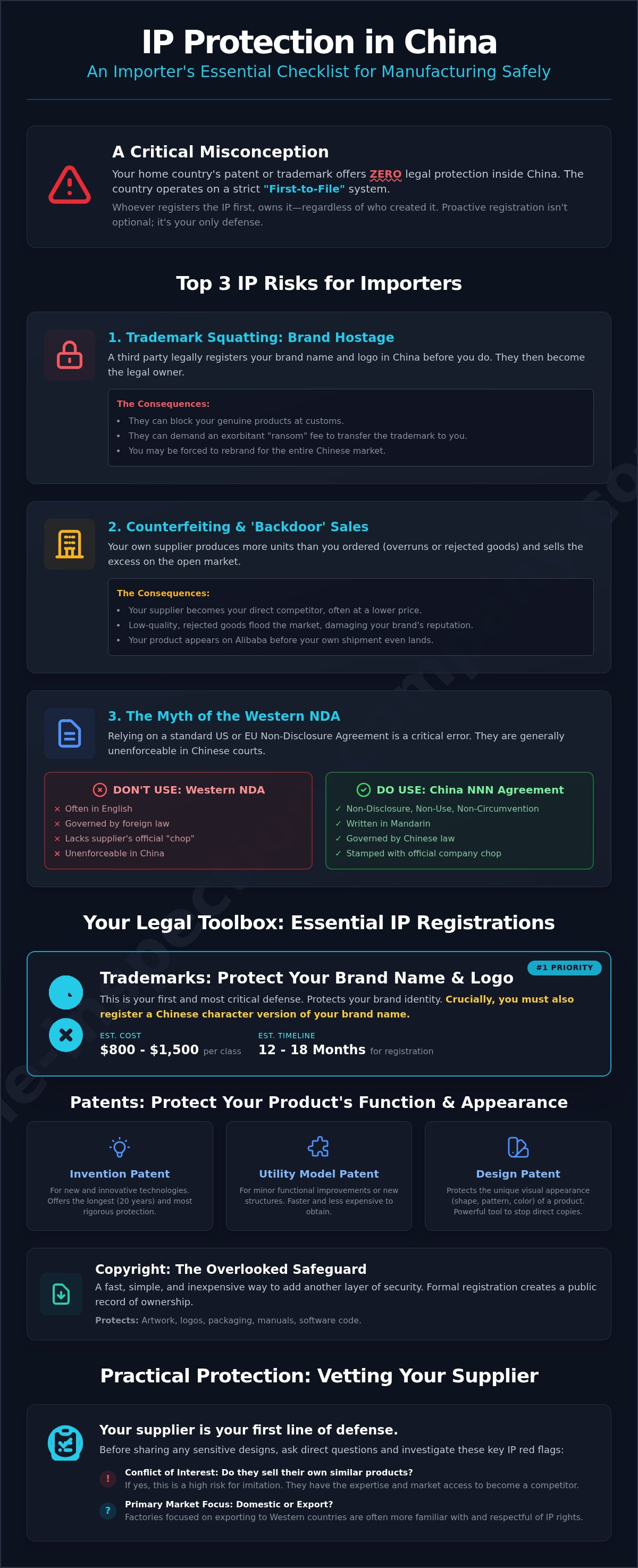
Many Western businesses mistakenly assume their home country's trademark or patent protects them globally. This is a costly error. In China, intellectual property rights are territorial; your US patent or EU trademark holds no legal weight. The country operates on a strict 'first-to-file' basis, meaning whoever registers an IP right first owns it, regardless of who created it. Understanding the nuances of China's IP System is the first critical step for any importer. Proactive ip protection china is not about reacting to theft, but preventing it from ever happening. The cost of early registration is a fraction of the expense of litigation or buying back your own brand.
Product Counterfeiting and 'Backdoor' Sales
Beyond simple copying, one of the greatest risks comes from your own supply chain. 'Backdoor' sales occur when a factory produces more units than you ordered and sells the excess inventory on the open market. This often happens with production overruns or goods you rejected for quality issues. Suddenly, your own supplier is your direct competitor. We've seen clients order 10,000 units of a custom product, only to find the 500 units they rejected during inspection listed for sale on Alibaba before their own shipment even landed.
Trademark Squatting: Losing Your Brand Before You Start
Trademark squatting is a predatory but legal tactic where a third party registers your brand name and logo in China before you do. Because of the 'first-to-file' system, they become the legal owner of your brand within China's borders. This squatter can then use their legitimate registration to block your genuine products at customs, effectively holding your business hostage. They may demand an exorbitant fee to transfer the trademark, leaving you with a choice between paying a ransom or rebranding for the entire Chinese market.
The Myth of the NDA: Why You Need a China-Specific Agreement
Relying on a Western-style Non-Disclosure Agreement (NDA) with your Chinese supplier is another common pitfall. These agreements are often unenforceable in Chinese courts due to issues with language, jurisdiction, and legal concepts. The correct tool is a China-specific NNN Agreement (Non-Disclosure, Non-Use, Non-Circumvention). Unlike a simple NDA, an NNN is a preventative contract drafted to be enforceable in China. For it to be effective, it must be written in Mandarin, governed by Chinese law, and stamped with the supplier's official company chop.
Your Legal Toolbox: Essential IP Registrations in China
Navigating China's IP landscape requires a proactive, not a reactive, strategy. Because China operates on a "first-to-file" system, the entity that registers an IP right first owns it-regardless of who created it. Building a robust portfolio of registered IP is the most effective form of ip protection china offers your business. While this guide provides a high-level overview, the actual filing process should always be handled by a specialized IP lawyer to ensure your registrations are complete and enforceable.
Trademarks: The #1 Priority for Brand Protection
Your brand name and logo are your most valuable assets. A registered trademark in China protects these identifiers, preventing others from legally using or registering them. This is your first and most critical step. You must register your trademark in the relevant product classes and, crucially, also register a Chinese character version of your brand name. Failing to do so leaves the door open for squatters to register it first, forcing you into a costly legal battle or a complete rebrand.
- Estimated Cost: $800 - $1,500 per class.
- Estimated Timeline: 12-18 months for registration.
Patents: Protecting Your Unique Inventions and Designs
Patents protect the functional or aesthetic aspects of your product, and choosing the right type is essential. The U.S. International Trade Administration offers excellent official resources on Protecting Your IP in China, detailing these distinct options. Understanding the difference is key to a cost-effective strategy.
- Invention Patent: For truly new and innovative technologies. This offers the most rigorous and longest-lasting protection (20 years).
- Utility Model Patent: For minor functional improvements or new structural designs. It is faster and less expensive to obtain than an invention patent.
- Design Patent: Protects the unique visual appearance (shape, pattern, color) of a product. This is a powerful, cost-effective tool for importers of physical goods to stop direct copies.
Copyrights: Safeguarding Your Creative Works
Often overlooked, copyright is a fast, simple, and inexpensive way to add another layer of security. While copyright exists automatically, formal registration creates a public record of ownership that is invaluable as evidence. It can be used to safeguard creative assets like artwork, logos, packaging designs, product manuals, and even software code. A registered copyright can be a crucial piece of evidence to support your claims in a more complex design patent or trademark dispute.
Practical Protection: Supplier Vetting and Airtight Contracts
While registering your intellectual property is a critical first step, a successful strategy for ip protection china depends heavily on your actions at the factory level. Your choice of supplier is not just a production decision; it is your first line of defense. Before sharing any sensitive designs, schematics, or business plans, you must implement a robust framework of due diligence and legally binding agreements.
How to Vet a Supplier for IP Risk
Assessing a potential partner’s respect for intellectual property is essential. During your initial screening, ask direct questions about their IP policies and look for red flags. Key areas to investigate include:
- Existing Product Lines: Does the factory manufacture and sell its own products that are similar to yours? This presents a clear conflict of interest and a high risk of imitation.
- Primary Market: Do they primarily serve the Chinese domestic market or export markets? Factories focused on exporting to Western countries are often more familiar with and respectful of international IP standards.
- IP History: Ask for references and inquire about their experience working with foreign brands. A history of long-term partnerships is a positive sign.
Verbal assurances are not enough. An on-site Factory Audit is the only way to independently verify a supplier's claims and assess their internal IP management systems before you commit.
The NNN Agreement: Your Most Important Contract
A standard Western Non-Disclosure Agreement (NDA) is insufficient for robust ip protection china. You need a China-specific NNN Agreement, which stands for Non-Disclosure, Non-Use, and Non-Circumvention. This agreement is designed to be enforceable in Chinese courts and provides broader protection:
- Non-Use: This crucial clause prevents the factory from using your IP for any purpose other than manufacturing your product. It stops them from becoming your competitor.
- Non-Circumvention: This stops the supplier from bypassing you and selling your product directly to your customers.
For an NNN to be effective, it must be written in Chinese, be governed by Chinese law, and stipulate a specific court jurisdiction within China.
Key IP Clauses in Your Manufacturing Agreement
Your manufacturing or supply agreement must reinforce your NNN and clearly define IP ownership. Insist on including clauses that:
- Define IP Ownership: State unequivocally that you retain 100% ownership of all pre-existing and newly developed IP, including product designs, branding, and packaging.
- Specify Tooling Ownership: Clearly state that you own all molds, tools, and fixtures paid for by you, and include terms for their return or destruction upon contract termination.
- Include Penalties: Define specific and significant financial penalties for any IP infringement, including producing overruns or selling products to unauthorized third parties.
On-the-Ground Defense: Using Audits and Inspections to Protect IP
Legal agreements and trademarks are the foundation of IP protection in China, but they are only half the battle. True security for your intellectual property is enforced on the factory floor. Without a physical presence, you have no way to verify that your supplier is adhering to your IP agreement. An on-the-ground quality control strategy acts as a powerful deterrent, transforming your IP rights from a piece of paper into a verifiable, enforceable reality.
By integrating IP security into your quality management system, you can actively monitor production, control critical assets, and prevent the unauthorized manufacturing that leads to counterfeit goods and grey market sales.
Controlling Molds, Tooling, and Key Components
The most effective way to prevent unauthorized production is to control the means of production. Never allow your factory to own your custom molds or tooling. By retaining ownership, you can have them moved to a secure, third-party storage facility between production runs. For an even higher level of control, consider supplying a critical, hard-to-replicate component yourself. This makes it nearly impossible for the factory to produce your product without your knowledge.
How Factory Audits Assess IP Security
Before you even place an order, a comprehensive factory audit can identify potential IP risks. Beyond assessing quality systems, auditors can evaluate a factory’s commitment to confidentiality and security. Key verification points include:
- Document Control: Does the factory have clear policies to control access to your designs, CAD files, and specifications?
- IP History: Has the factory been involved in prior IP disputes or litigation?
- Physical Security: Are production lines and storage areas for sensitive materials secure and access-restricted?
Using Product Inspections to Prevent Unauthorized Sales
Regular inspections are your eyes and ears inside the factory, providing critical checks that safeguard your brand. A Pre-Shipment Inspection verifies the exact quantity of goods produced, ensuring there are no unauthorized overruns destined for the grey market. During this process, inspectors also confirm that your logos and branding are applied correctly and not used on unapproved products. Finally, a Container Loading Inspection ensures that only the goods you have approved and paid for are sealed in the container for shipment, stopping problems before they sail.
Don't leave your intellectual property vulnerable. Secure your production run with an on-site inspection.
Finalizing Your Defense: A Proactive Approach to IP Protection
Navigating China's complex manufacturing landscape requires a multi-layered strategy. Remember that legal registrations, while essential, are only the first step. True security comes from combining this legal foundation with proactive, on-the-ground measures like airtight supplier contracts and rigorous vetting. Effective ip protection china is not a one-time task but an ongoing commitment to diligence.
Before you commit to a new manufacturing partner, verify their operational integrity and security protocols. A comprehensive Factory Audit serves as your critical first line of defense. With a network of over 700 inspectors across Asia and European management ensuring international standards, we provide the intelligence you need to make secure decisions. You receive a detailed report within 24 hours, empowering you to mitigate risks before production begins.
Get a Free Quote for a Factory Audit to vet your next supplier.
Protecting your intellectual property is a strategic business advantage. Take decisive action today to safeguard your innovations and build a resilient, trustworthy supply chain for the future.
Frequently Asked Questions
Is my idea safe if I just have a supplier sign an NDA?
No. A standard Western-style NDA (Non-Disclosure Agreement) is often unenforceable and offers minimal protection in China. For effective IP protection in China, you need a China-specific NNN (Non-Disclosure, Non-Use, Non-Circumvention) agreement. This document must be drafted in Chinese and governed by Chinese law. Unlike a simple NDA, an NNN is specifically designed to prevent a factory from becoming your competitor and is structured to be enforceable in a Chinese court, providing a genuine safeguard for your idea.
How much does it cost to register a trademark in China?
The total cost to register a trademark in China includes both government fees and professional legal fees. Government filing fees are relatively low, typically under $100 USD per class of goods. However, legal fees for a specialized firm to handle the trademark search, application, and process can range from $500 to $1,500 USD per class. Investing in professional assistance is highly recommended to avoid costly filing errors and ensure your application is structured for maximum protection.
What is the difference between an NNN agreement and a manufacturing contract?
An NNN agreement and a manufacturing contract serve two distinct, critical purposes. The NNN agreement is a legal tool used *before* you disclose sensitive details, designed solely to protect your confidential information and prevent the factory from using your idea or bypassing you. A manufacturing contract, in contrast, is used to govern the actual production process. It details product specifications, quality standards, payment terms, and delivery schedules. You need both: the NNN first, then the manufacturing contract.
Can I sue a Chinese factory for IP theft from the US or Europe?
While technically possible, it is extremely difficult, expensive, and impractical. Foreign court judgments are rarely enforced in China. To have any real legal recourse, you must build your case within the Chinese legal system. This requires having China-registered IP (trademarks, patents) and China-enforceable contracts (like an NNN) that are written in Chinese and specify Chinese law as the governing jurisdiction. Without this foundation, suing from abroad is almost always ineffective.
Should I register my IP myself or use a specialized lawyer?
Using a specialized lawyer or a reputable IP firm is strongly advised for any serious business. The Chinese IP registration system is complex, with specific language requirements and a goods/services classification system that differs from those in the West. A simple mistake in translation or classification can invalidate your application or leave your IP vulnerable. An experienced attorney ensures the process is handled correctly, maximizing your protection and helping you avoid catastrophic and costly errors down the line.
What's the first thing I should do to protect my IP before talking to a factory?
The absolute first and most critical step is to file for your relevant IP in China *before* any disclosure. This means registering your trademarks for your brand name and logo, and filing for design or invention patents if applicable. China operates on a "first-to-file" system, meaning whoever files first owns the rights, regardless of who created the idea. Proactive registration must be completed before you contact any potential suppliers to avoid losing your rights from the very start.