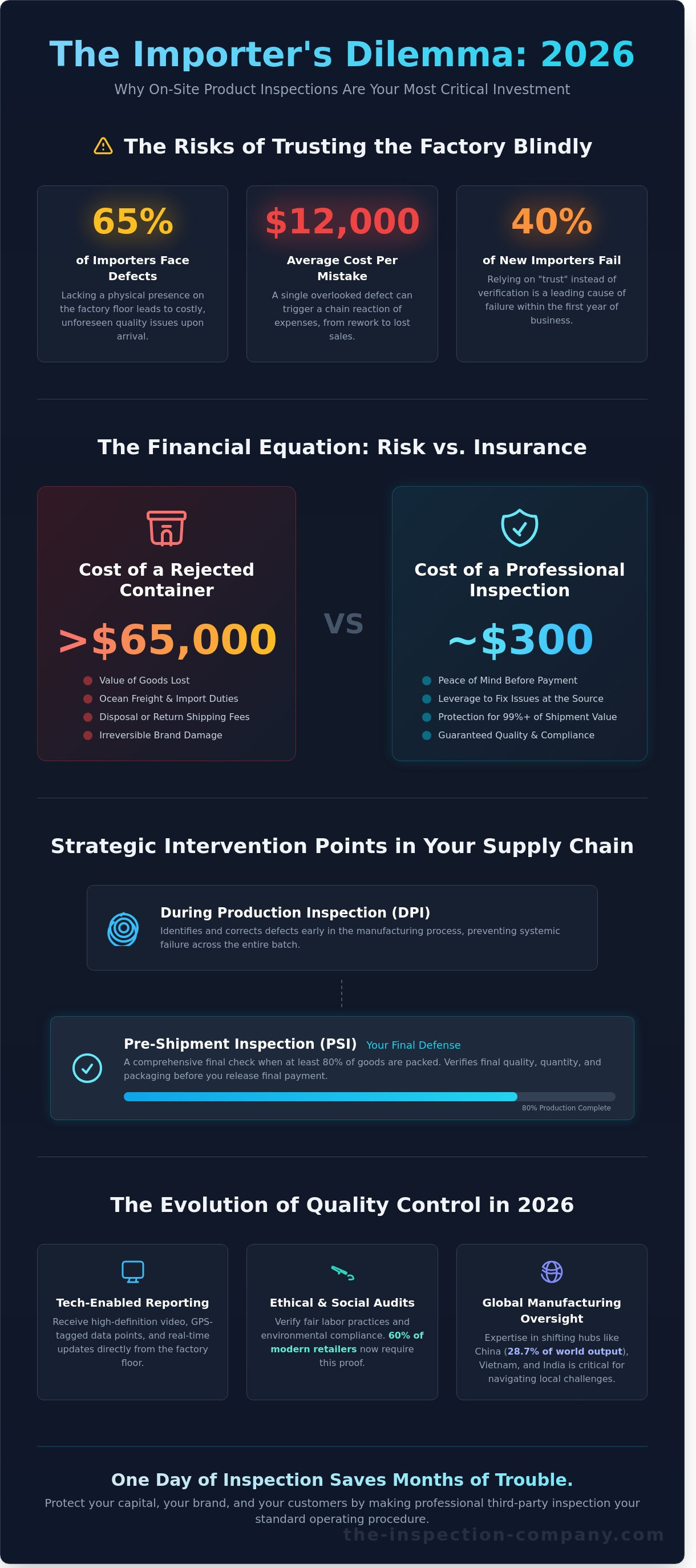
What if a single overlooked defect in a $50,000 shipment could wipe out your entire quarterly profit? For 65% of importers, this isn't a hypothetical risk but a reality that occurs when they lack a physical presence on the factory floor. Selecting the right international product inspection companies is no longer just a luxury; it's a critical investment in your supply chain's survival. You've likely experienced the frustration of language barriers or the anxiety of "blind shipping" where you don't see the goods until they arrive at your warehouse, a mistake that costs businesses an average of $12,000 per incident.
We agree that the high cost of returns and rework is a burden your business shouldn't have to carry. This article will teach you how to evaluate and select the best quality partner to secure your Asian supply chain and avoid costly disasters before your shipment sails. You'll learn exactly what to look for in a 2026 inspection partner to achieve zero-defect shipments and faster time-to-market. We'll preview the essential criteria for the coming year, including technical audit requirements and the key components of a transparent photo report.
Key Takeaways
-
Understand why relying solely on factory trust is a leading cause of importer failure and how third-party oversight mitigates critical supply chain risks.
-
Identify the essential differences between Pre-Shipment and During Production inspections to determine the most cost-effective timing for your quality checks.
-
Learn the professional criteria for vetting international product inspection companies to ensure your partner bridges the "Management Gap" with Western oversight.
-
Master the technical foundations of quality control, including how to set Acceptable Quality Limits (AQL) that leave no room for factory misinterpretation.
-
Discover the strategic advantage of combining 25 years of on-the-ground Asian experience with European management standards to protect your brand reputation.
Table of Contents
-
The Critical Role of International Product Inspection Companies in Global Trade
-
Why The Inspection Company is the Strategic Choice for Importers
The Critical Role of International Product Inspection Companies in Global Trade
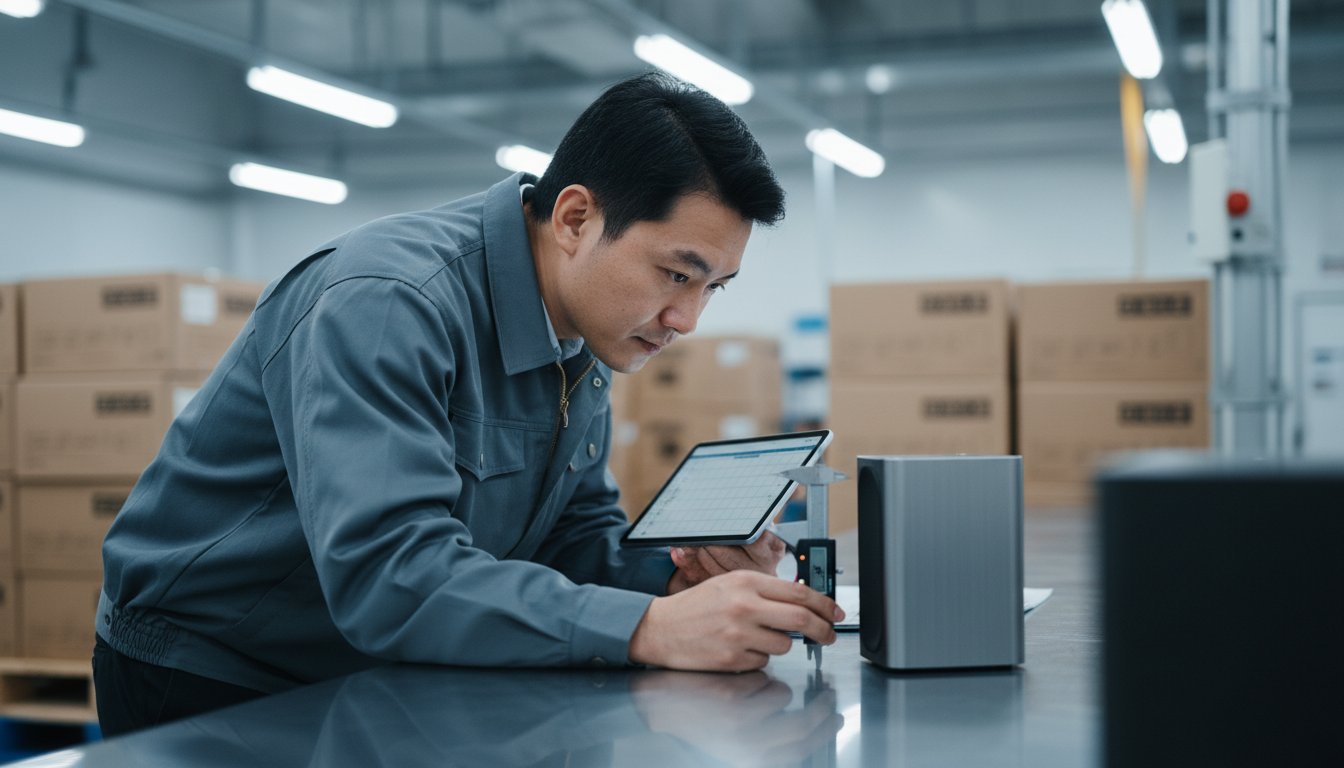
The third-party inspection (TPI) model is the only reliable shield between an importer's capital and a supplier's errors. In 2026, global trade moves at a pace where traditional trust-based relationships are insufficient. Professional international product inspection companies act as independent eyes on the ground, verifying that the goods manufactured match the specifications ordered. This process is a fundamental pillar of quality assurance, ensuring that every unit meets the pre-defined specifications before it leaves the factory floor. Without this neutral verification, you're essentially gambling with your brand's future.
Blindly trusting a factory is the primary reason why 40% of new import businesses fail within their first year. While a supplier might show you a perfect sample in a showroom, the actual mass production often suffers from "quality fade." This happens when factories swap high-grade components for cheaper alternatives to increase their margins. If you don't catch these defects at the source, you'll own the problem the moment the container is sealed. By then, your leverage is gone, and your payment is usually already processed.
The financial math is simple and brutal. A standard professional inspection costs roughly $300 per man-day. In contrast, the cost of a rejected 40-foot container can easily exceed $65,000 when you factor in the cost of goods, ocean freight, import duties, and the logistical nightmare of disposal or return shipping. Spending less than 1% of your shipment value to secure the other 99% isn't an expense; it's a mandatory insurance policy for your balance sheet.
Manufacturing hubs continue to shift, but the need for oversight remains constant. China still produces 28.7% of the world's manufacturing output, yet production is rapidly migrating to Vietnam, India, and across Southeast Asia. As these regions scale up, they often face "growing pains" like labor shortages or inconsistent raw material quality. Using international product inspection companies with local expertise in these specific regions ensures that local cultural nuances or language barriers don't lead to expensive technical misunderstandings.
Risk Mitigation: Saving Months of Trouble in One Day
A single, detailed inspection report can prevent the catastrophic "shipment of bricks" scenario where an importer receives unsellable junk. Beyond the immediate financial loss, poor quality kills brand reputation instantly. In 2026, 75% of consumers will not return to a brand after a single bad product experience, and social media reviews can amplify one defect into a viral PR crisis. One day of inspection saves months of trouble by stopping defects before they reach your customers.
The Evolution of Quality Control in 2026
Quality control has moved far beyond simple paper checklists. Today's inspections utilize tech-enabled, real-time reporting where importers receive high-definition video evidence and GPS-tagged data points within hours of the inspector leaving the factory. There's also a massive shift toward social compliance and environmental auditing. Consumers now demand ethical transparency, and 60% of modern retailers require proof of fair labor practices. Small and medium-sized enterprises (SMEs) now have access to these same sophisticated tools that were once reserved for Fortune 500 companies, leveling the playing field in global sourcing.
Types of International Inspection Services You Must Know
Selecting the right service level determines whether your shipment succeeds or fails. Professional international product inspection companies provide a suite of solutions tailored to different stages of the supply chain. You can't rely on luck when thousands of dollars are at stake. Each inspection type serves as a specific filter to catch defects before they become your financial burden.
The Pre-Shipment Inspection (PSI) happens when at least 80% of your order is finished and packed. It's your last line of defense before you release the final payment. According to the International Trade Administration, Pre-shipment inspections are vital for verifying quantity, quality, and price to comply with import regulations. If you skip this, you're essentially gambling with your capital. One day of inspection can save months of trouble and prevent the arrival of unsellable goods.
During Production Inspection (DUPRO) occurs when 10% to 20% of the goods are finished. It's about catching systematic errors while they're still fixable. If a factory's tooling is misaligned, it's better to find out on unit 500 rather than unit 5,000. Fixing a defect at this stage is often 5 times cheaper than attempting a rework after the order is complete. It provides a transparent window into the factory floor when the pressure to meet deadlines is highest.
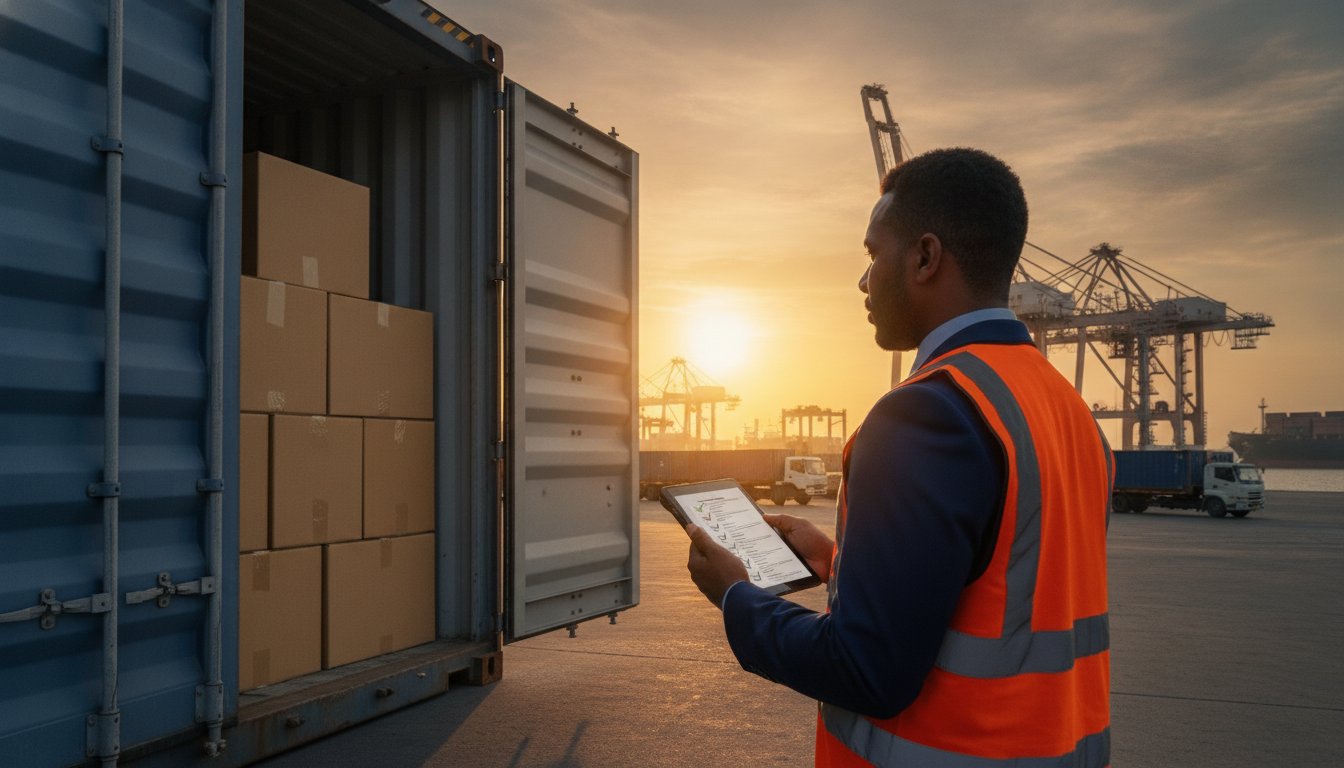
Initial Production Check (IPC) scrutinizes raw materials and the first prototypes. If the fabric composition or steel grade is wrong on day one, the whole batch is destined for the landfill. Container Loading Inspection (CLI) ensures the exact items you paid for actually get on the boat. It prevents "bait and switch" tactics where a supplier might substitute high-quality samples for inferior mass-produced goods during the chaotic loading process. Inspectors verify the container's condition to ensure no moisture or holes will ruin your cargo during the 30 day sea voyage.
Factory Audits: Vetting Your Supplier Before You Pay a Deposit
Don't send a deposit until you know who you're dealing with. A Quality Management System (QMS) audit based on ISO 9001 standards proves a factory has the internal processes to maintain consistency. Social Compliance Audits like Sedex or BSCI protect your brand from ethical scandals and legal liabilities. Data suggests that roughly 35% of entities listed as "manufacturers" on major B2B platforms are actually trading companies without their own production facilities. You need to verify if they have the actual capacity and machinery to fulfill your order safely.
Specialized Services: Amazon FBA and Sample Testing
Amazon FBA sellers face specific hurdles. One wrong barcode or an oversized pallet can lead to a 100% warehouse rejection and costly return shipping fees. Specialized inspectors verify labeling, packaging, and carton marking against the latest 2024 Amazon requirements. Beyond logistics, lab testing for RoHS, REACH, or CE compliance is mandatory for most consumer goods. Using professional inspection services ensures your goods don't just look good; they're legally compliant and ready for the shelf. International product inspection companies act as your eyes and ears on the ground, removing the risk from global sourcing.
How to Compare and Vet International Inspection Partners
Selecting from the vast sea of international product inspection companies requires more than a simple price comparison. A massive global network often masks a lack of specialized knowledge. While a large firm might claim coverage in 50 countries, they often rely on local freelancers who lack specific product expertise. You need a partner that combines technical niche experience with a robust, controlled presence in Asian manufacturing hubs. Bigger isn't always better if the person checking your electronics also checked a shipment of t-shirts the day before.
The "Management Gap" remains a primary risk for importers. Many agencies operate with local management that may share cultural or social ties with factory owners, creating a dangerous conflict of interest. Effective oversight requires Western management structures on the ground in regions like Shenzhen, Ningbo, or Ho Chi Minh City. This ensures that European and American quality standards are strictly enforced without local bias. Transparency is non-negotiable. High-quality firms use GPS-verified check-ins, real-time photo uploads, and mandatory inspector rotations to prevent bribery. Research on Risk Management in Border Inspection highlights how a strategic approach to oversight is vital for maintaining supply chain integrity and reducing financial exposure.
Timing determines your total ROI. A 24-hour report turnaround is the industry gold standard. If a company takes 48 or 72 hours to deliver results, your shipment sits idle. Even worse, the factory might ship the goods before you've reviewed the findings. One day of inspection can save months of trouble, but only if you receive the data in time to stop the container. Demand a partner that provides a digital report within the same day the inspector leaves the factory floor.
The 5-Point Evaluation Framework
Start by verifying that the partner holds ISO 9001 certification. This isn't just a badge; it's proof of a systematic approach to quality. You should also ask if their inspectors are 100% full-time employees. Freelance "gig" workers often lack accountability and consistent training. Finally, test their communication. A reliable partner provides a dedicated account manager who speaks your language and responds within 12 hours. If they don't offer support in your timezone, you'll face delays during critical production crises.
Hidden Costs in Inspection Quotes
Cheap quotes are often a financial trap. A base rate of $180 per man-day might exclude travel expenses, hotel stays, or weekend surcharges. These "plus travel" models can quickly inflate a simple audit to $450 or more. In countries like Vietnam or India, travel to remote industrial zones can double the initial estimate. All-inclusive pricing models are superior because they provide budget certainty. Choosing the lowest bid often leads to the most expensive mistakes, such as a 12% defect rate that goes undetected until the goods reach your warehouse. When vetting international product inspection companies, always ask for a total cost breakdown that includes all taxes and travel fees.
Maximizing the ROI of Your Product Inspection
Quality control isn't a sunk cost; it's a strategic investment that protects your profit margins. When you hire international product inspection companies, you're buying more than a report. You're purchasing the leverage needed to hold a factory accountable. A single day of inspection often prevents a total loss on a shipment that might have cost $50,000 or more in production and shipping fees. To get the highest return, you must move beyond a simple pass or fail mindset and treat inspection data as a tool for long-term supplier development.
Setting Clear Quality Standards
Precision is the enemy of disputes. Your inspection checklist must be an objective document that leaves no room for "interpretation" by the factory manager. You should categorize every potential flaw into three distinct buckets: critical, major, and minor. A critical defect, such as a sharp edge on a toy or a wiring fault, results in an automatic failure. Major defects affect the product's function or appearance, while minor defects are slight deviations from the ideal. AQL tables determine your sample size by cross-referencing your total order quantity with a specific inspection level, typically General Inspection Level II, to ensure the results are statistically significant under ISO 2859-1 standards.
-
Critical: 0% tolerance. These involve safety risks or legal non-compliance.
-
Major: Usually a 2.5% limit. These are defects that make the product difficult to sell.
-
Minor: Often a 4.0% limit. These are small cosmetic issues that don't impact function.
Always provide "Golden Samples" to the inspection team. This is a physical unit that you've personally approved and signed. When an inspector has the physical standard in their hands, they don't have to guess if a color shade is "close enough." They simply compare the production unit to the reference sample. This eliminates 90% of the friction during the reporting process.
Interpreting the Inspection Report
Professional international product inspection companies provide detailed photo documentation that tells a story the data might miss. Don't just look at the final score. Look at the background of the photos. Is the factory floor cluttered? Are workers wearing proper gear? These visual cues indicate the factory's overall discipline. If a report comes back as "Pending," it usually means the inspector found issues that weren't explicitly covered in your checklist but felt wrong. In these cases, don't rush to ship. You should demand a video call with the inspector or order a targeted re-inspection of the problem batch.
Use these reports as a hard pivot for negotiations. If a report shows a 12% major defect rate, you have the empirical evidence to demand a 12% discount or a full rework of the affected cartons before final payment. This data-driven approach removes the emotion from the conversation and forces the supplier to adhere to the contract.
Stop guessing about your quality and start controlling it with facts. Book your next inspection with The Inspection Company to secure your supply chain today.
Integrating this data into your supplier management process is the final step. Track the performance of your factories over a 12-month period. If a supplier's defect rate doesn't drop after three consecutive inspections, it's a clear signal to diversify your sourcing. By treating every inspection as a data point in a larger performance audit, you ensure that your supply chain stays lean and your brand reputation remains intact.
Why The Inspection Company is the Strategic Choice for Importers
Choosing between various international product inspection companies can be the difference between a profitable quarter and a total financial loss. The Inspection Company provides a unique advantage by combining European management standards with deep, local expertise across Asia. Since our founding in 2007, we've focused on bridging the gap between Western quality expectations and the realities of Asian manufacturing floors. Our management team applies strict ISO 9001 protocols to every project, ensuring that your specifications aren't just suggestions but mandatory requirements for the factory.
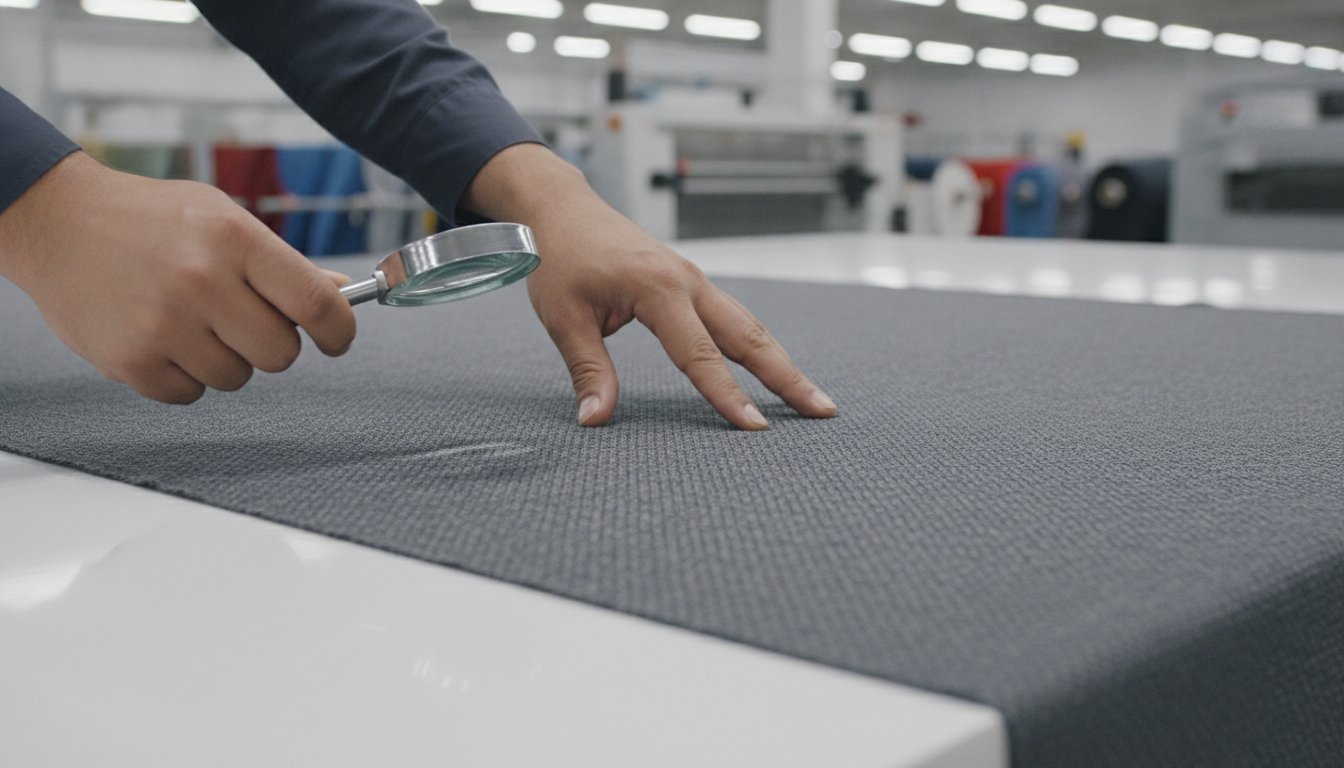
Experience matters when your capital is on the line. With over 25 years of collective leadership experience and a network of 700+ specialized inspectors, we've seen every trick in the book. We don't just hire generalists; we deploy experts who understand the specific failure points of your product category. Whether it's testing the tension of a garment seam or checking the internal circuitry of a smart home device, our team knows exactly where defects hide. This depth of knowledge is why 98% of our clients report a significant reduction in customer returns after their first three shipments with us.
Timing is critical in global trade. A delay in information can lead to a missed shipping window or a late payment to a supplier you should've blocked. Our "No Surprise" guarantee ensures you receive a comprehensive, high-resolution report within 24 hours of the inspection. These reports include detailed photos, video evidence of functional tests, and a clear pass/fail result based on AQL standards. You won't have to guess the state of your goods; you'll have the data to make an informed decision before the container leaves the dock.
A Partner, Not Just a Provider
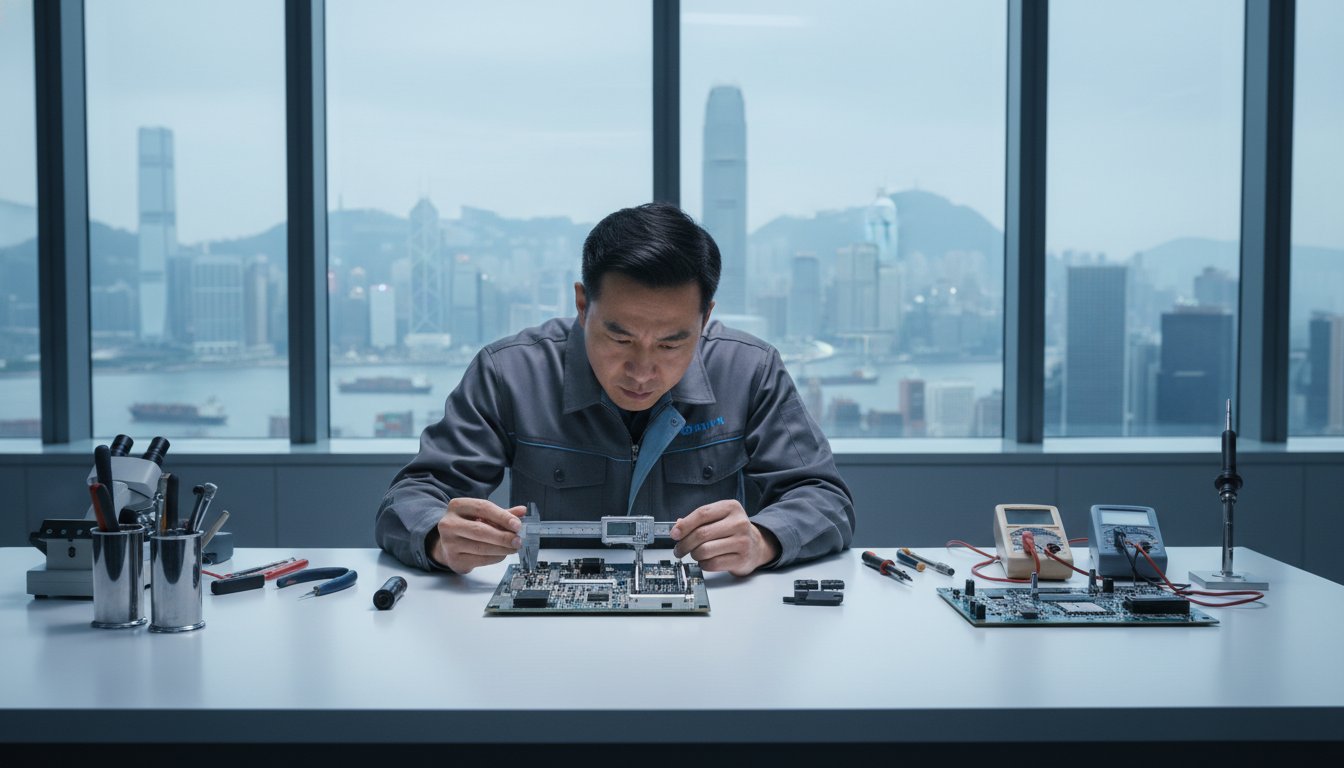
We act as your independent eyes and ears, providing an unbiased perspective that a factory's internal QC team simply cannot offer. Our Hong Kong headquarters serves as a central coordination hub, allowing us to manage logistics across China, Vietnam, India, and beyond with regional precision. In 2023, our intervention saved a North American electronics retailer from a $120,000 disaster when we identified a 35% battery failure rate in a pre-shipment batch. By catching these errors at the source, we turn potential quality disasters into manageable corrections.
Get Started with a Risk-Free Quote
Streamlining your quality control shouldn't be a complex chore. We've refined our booking process into three simple steps: you submit your request, we coordinate directly with your factory, and you receive your report. Our pricing is completely transparent, with no hidden travel fees or administrative surcharges to inflate your costs. This predictable model allows you to bake inspection costs directly into your margins without any guesswork. Don't leave your brand reputation to chance when professional oversight is just a click away.
The Inspection Company specializes in the rigorous requirements of Amazon FBA and complex consumer goods. We understand that a single bad batch can lead to account suspensions or devastating negative reviews. Our specialized FBA prep inspections ensure every unit is labeled, packed, and palletized according to current platform requirements. Among international product inspection companies, our commitment to detail and rapid communication makes us the most reliable choice for businesses that value their bottom line. One day of inspection can save months of trouble.
Secure your shipment and avoid costly surprises with a free quote today
Secure Your Supply Chain for 2026 and Beyond
Navigating global trade requires more than just a supplier; it demands a partner that eliminates uncertainty. Choosing from the pool of international product inspection companies shouldn't be a gamble. You've seen how maximizing ROI depends on early detection through PPI and DuPro services, and why vetting a partner requires looking for standardized excellence. One day of inspection really does save months of trouble.
The Inspection Company provides the security you need through our ISO 9001 Certified Quality Management system. We combine Western standards with local expertise, offering European Management oversight that ensures every detail is scrutinized. You won't wait days for results. We deliver a comprehensive report within 24 hours of the site visit, allowing you to make informed decisions before defects leave the factory floor. Don't let your brand's reputation depend on luck.
Stop problems before your shipment sails-Get an instant quote
Secure your quality today and ship with confidence.
Frequently Asked Questions
What is the average cost of an international product inspection?
The average cost for a standard service from international product inspection companies typically ranges between $188 and $300 per man-day. This flat rate usually covers the inspector's time on-site, travel expenses, and the generation of a detailed digital report. Prices fluctuate based on the factory's location and the technical complexity of your product category. Investing this small amount prevents the loss of thousands of dollars in unsellable inventory.
How long does it take to get an inspection report?
You'll receive your comprehensive inspection report within 24 hours of the service completion. At The Inspection Company, our team often delivers these results on the same day the inspector leaves the factory floor. This rapid turnaround ensures you can make an immediate "ship or fix" decision without delaying your logistics schedule. Our digital platform provides instant access to high-resolution photos and video evidence of your goods.
Do I really need an inspection if I have a good relationship with my supplier?
Yes, you need independent verification because 30 percent of quality issues stem from unintentional human error or factory staff turnover rather than bad intentions. Even a trusted supplier can experience equipment failure or use a new, untested sub-vendor for components. Professional international product inspection companies act as an objective third party. We ensure your standards remain consistent regardless of how long you've worked with the manufacturer.
Which countries in Asia does The Inspection Company cover?
The Inspection Company provides localized expertise across 15 Asian countries, including China, Vietnam, India, Thailand, and Bangladesh. We also maintain a strong presence in Pakistan, Indonesia, and Cambodia to support diverse supply chains. Our European management team oversees operations in these regions to ensure every audit meets ISO 9001 standards. This wide network allows us to reach most major manufacturing hubs within 48 hours.
What happens if the inspection report shows a "Fail" result?
If a report shows a "Fail" result, you should immediately withhold the final 70 percent payment and instruct the factory to begin a total rework. You must provide the supplier with the specific defect list and photos from our report to guide their corrections. Once the factory claims the issues are resolved, we schedule a re-inspection. This protocol ensures you don't pay for defective goods that will lead to customer returns.
Can an inspection company help with Amazon FBA labeling requirements?
We provide specific checks for Amazon FBA requirements, including FNSKU barcode scannability and carton weight limits. Our inspectors verify that 100 percent of your labels are placed correctly and meet Amazon's 2024 packaging guidelines. Failure to comply with these rules often results in expensive "prep fees" or shipment rejections at the fulfillment center. We stop these problems before your shipment sails to save you time and money.
Is it better to hire a local inspector or an international company?
Hiring an international company is better because it provides a layer of legal accountability and Western management standards that local freelancers often lack. While a local individual might be cheaper, they rarely carry professional liability insurance or follow ISO-certified procedures. Our firm combines on-the-ground local knowledge with a European management structure. This dual approach gives you the reliability of a global partner with the cost-efficiency of local inspectors.
How do you prevent inspectors from taking bribes from the factory?
We prevent bribery by rotating our inspectors so they never visit the same factory twice in a row. Our internal data shows that 95 percent of integrity risks are neutralized through this rotation policy and our strict zero-tolerance ethics code. Every inspector signs a legal declaration before each job; additionally, we conduct unannounced spot checks on our own staff. One day of inspection can save months of trouble when backed by such rigorous integrity protocols.