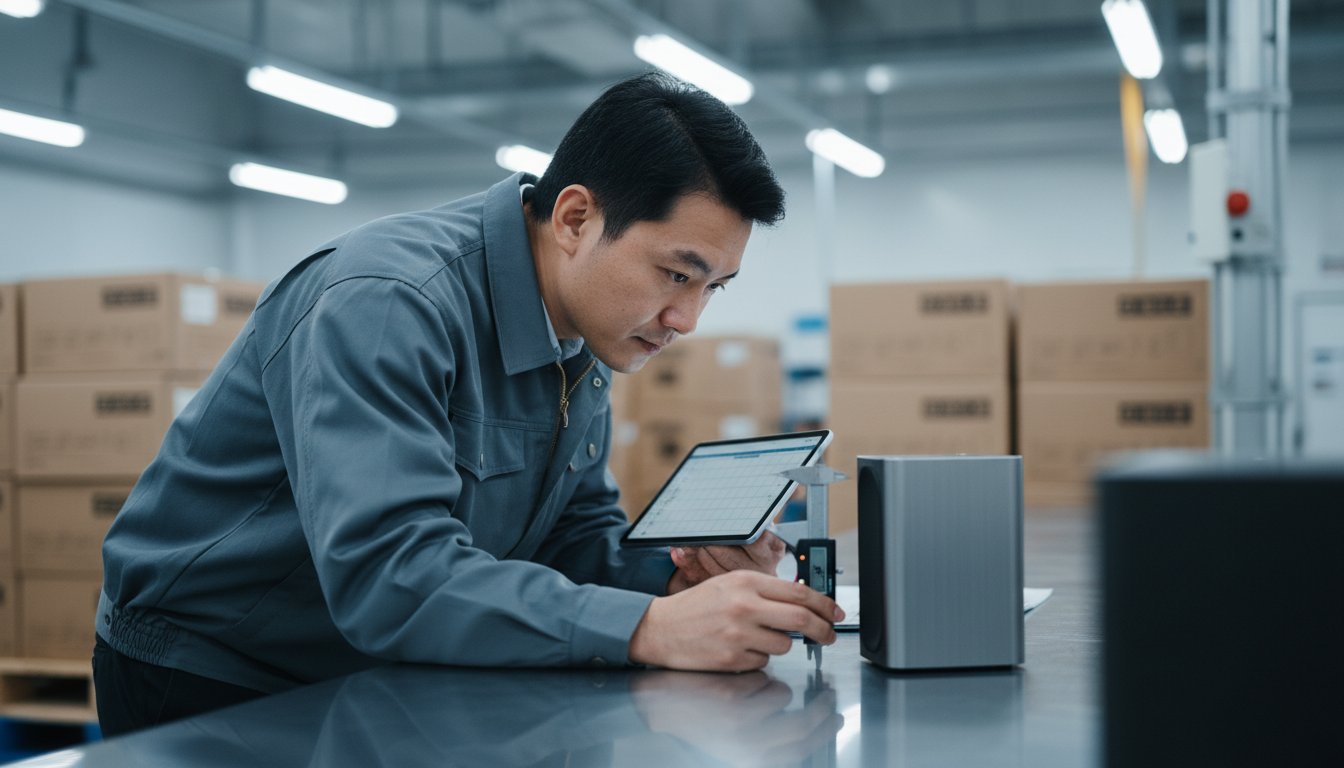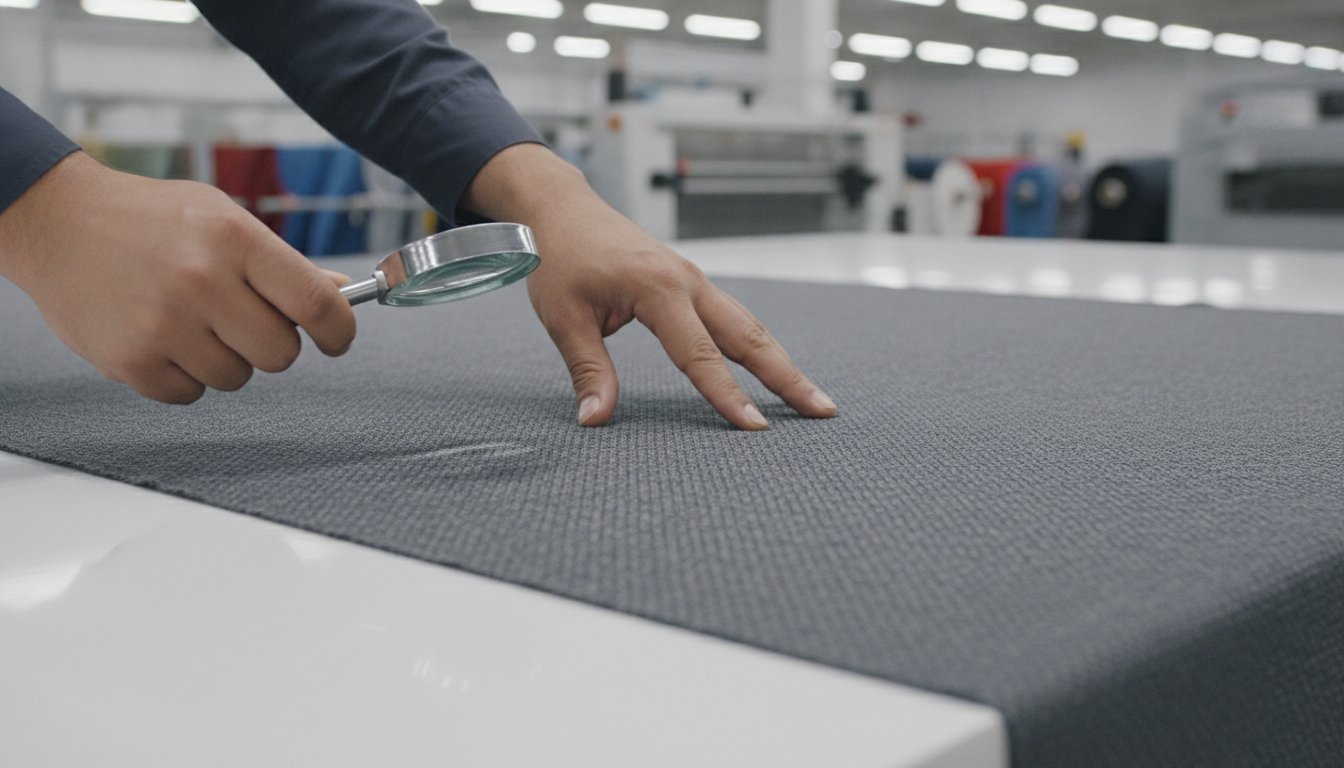
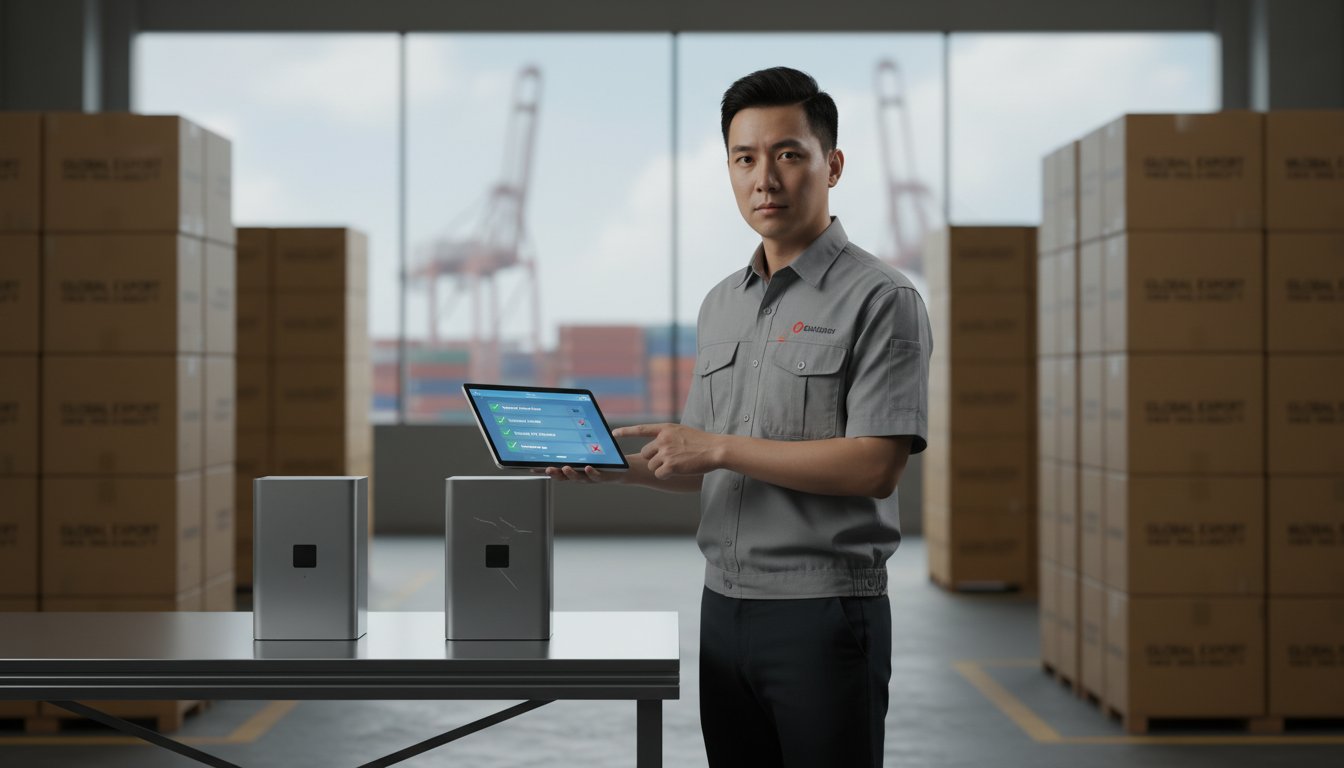
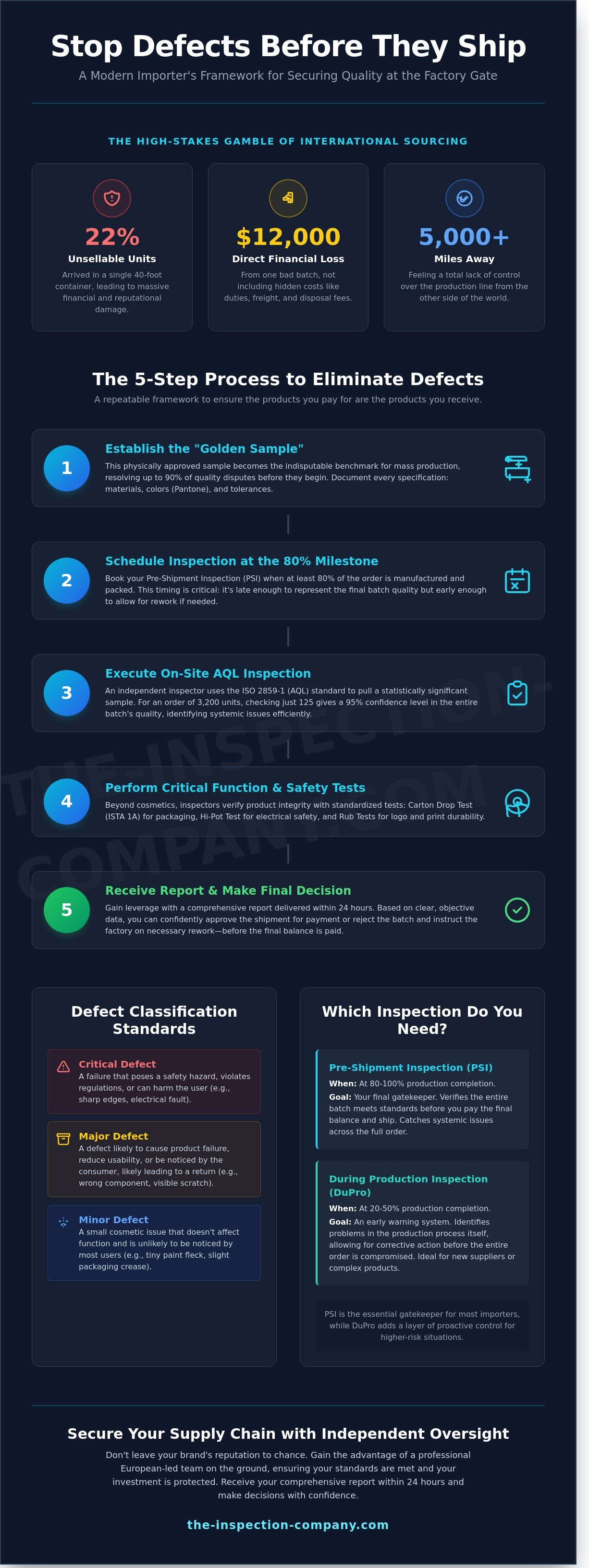
Imagine wire transferring the final 70% balance for a 40-foot container, only to discover that 22% of your units are completely unsellable upon arrival. To prevent shipping defective products, you must look beyond the supplier's word, especially when a single bad batch can lead to a $12,000 loss and a wave of negative reviews. You understand that relying on a factory's self-assessment is a gamble you cannot afford when your brand reputation is at stake. It's exhausting to feel a total lack of control when you're 5,000 miles away from the production line.
This strategic guide provides the exact framework you need to identify and stop sub-standard goods at the factory gate before they drain your bank account. You'll learn the professional steps to establish clear quality benchmarks and implement rigorous on-site inspection protocols. We will outline a repeatable process to verify quality, define exactly what constitutes a "reject," and ensure you avoid costly surprises before you release that final payment.
Key Takeaways
- Calculate the hidden costs of returns and lost inventory while learning how to protect your brand reputation from catastrophic seller account risks.
- Implement a rigorous 5-step quality control process to prevent shipping defective products by defining "Golden Samples" before mass production begins.
- Identify the strategic differences between PSI and DuPro inspections to determine the most effective gatekeeper for your specific manufacturing milestones.
- Master the industry standards for defect classification to separate minor cosmetic issues from critical safety hazards and legal non-compliance.
- Gain the advantage of independent European oversight to receive comprehensive inspection reports within 24 hours, ensuring you stop problems before your shipment sails.
The True Cost of Shipping Defective Products in 2026
Shipping a container of sub-standard goods isn't just a logistical error; it's a financial landmine. In 2026, the margin for error has vanished. When you fail to prevent shipping defective products, you're not just losing the unit cost. You're losing the 25% duty paid at the border, the $4,500 ocean freight fee, and the hard-earned trust of your customer base. One bad batch can trigger a spike in your Amazon Order Defect Rate (ODR). If that rate climbs above 1%, you risk immediate account suspension and the permanent loss of your Buy Box status. It's a high-stakes game where the cost of a single day of inspection is negligible compared to the months of trouble caused by a faulty shipment.
The "Point of No Return" occurs the moment your goods clear customs in the country of origin. Once the vessel leaves the port, your leverage over the supplier drops to zero. You can't easily send items back to a factory in Shenzhen or Ho Chi Minh City for rework. You're stuck with the inventory, the mounting storage fees, and the high cost of disposal. Catching errors at the factory level reduces the psychological weight of international procurement, replacing anxiety with the certainty that your brand's reputation remains intact.
Direct vs. Indirect Loss
Direct losses are easy to track on a balance sheet. These include the manufacturing price, non-refundable freight charges, and import duties. Indirect losses are more insidious. They manifest as customer churn, 1-star reviews that tank your conversion rates by up to 40%, and the massive administrative burden of handling support tickets. Total Cost of Quality for modern importers is the comprehensive sum of prevention and appraisal investments plus the catastrophic expenses of internal and external product failures.
Why 2026 Supply Chains Demand Higher Standards
- Consumer Expectations: 73% of shoppers will abandon a brand after just one defective out-of-the-box experience.
- Reverse Logistics: The cost of processing returns rose 18% between 2024 and 2026, making domestic returns a primary profit-killer.
- Regulatory Shifts: New frameworks like the updated General Product Safety Regulation (GPSR) hold importers strictly accountable for compliance and safety.
You must prevent shipping defective products at the source to survive this tightened regulatory environment. Reliable quality control isn't an optional expense; it's your primary insurance policy. Using a professional, independent eye at the factory ensures that the products you paid for are the products that actually arrive at your warehouse.
A 5-Step Quality Control Process to Stop Defects
To prevent shipping defective products, you need a systematic approach that removes guesswork from the manufacturing cycle. Relying on a factory's word is a gamble; unmonitored shipments from new suppliers frequently see defect rates as high as 15%. A structured 5-step process ensures that quality is built into the timeline rather than checked at the very end when it's too late to fix errors.
Step 1 & 2: Setting the Standard
Success begins with a "Golden Sample." This approved specimen serves as the definitive benchmark for every unit produced. It resolves 90% of quality disputes because it provides a physical reference that the factory cannot dispute. You should never rely on the factory’s internal QC team. Their priority is meeting production quotas, which creates a natural conflict of interest with your quality requirements.
- Define Specifications: Document every tolerance, material grade, and color code (Pantone).
- The 80% Milestone: Schedule your Pre-Shipment Inspection (PSI) when at least 80% of the order is finished and packed. This timing allows you to catch systemic issues before the container is sealed.
Step 3 & 4: The Inspection Day
On-site inspections must follow the ISO 2859-1 standard, commonly known as AQL (Acceptable Quality Level). This mathematical framework determines exactly how many units to pull for a statistically significant sample. For an order of 3,200 pieces, an inspector typically checks 125 units to ensure a 95% confidence level in the results. This statistical approach identifies if the batch passes or fails based on critical, major, and minor defect limits.
During the visit, the inspector performs critical functional and safety tests. Common protocols include:
- Carton Drop Test: Following ISTA 1A standards to ensure packaging survives transit.
- Hi-Pot Test: Checking electrical insulation to prevent fire hazards in consumer electronics.
- Rub Test: Using 3M tape or alcohol to ensure logos and labels don't peel under friction.
Ensuring the inspector is independent and unbiased is the only way to get an honest look at your goods. One day of professional oversight can save months of financial trouble and brand damage. You can book an independent inspection to verify these metrics on the ground before the goods leave the factory floor.
Step 5: Report Review and Payment
The final step is the most critical for your leverage. Review the detailed inspection report, which includes high-resolution photos and video evidence, before authorizing the final 70% payment. Once the funds are transferred, your ability to demand re-work or replacements disappears. Only release the balance when the data proves the shipment meets your standards. This disciplined approach ensures you only pay for products that will actually sell.
Pre-Shipment Inspection vs. During Production: Which Do You Need?
Choosing the right inspection timing is the most effective way to prevent shipping defective products. While many importers rely solely on a final check, waiting until the end of the line can be a $50,000 mistake if the entire batch fails. You must decide between a Pre-Shipment Inspection (PSI) and a During Production (DuPro) check based on your product complexity and your history with the factory.
When to Choose PSI
The PSI is your final gatekeeper. It occurs when at least 80% of the order is produced and packed. It's the industry standard for consumer goods like apparel or simple home decor. This stage is critical for verifying that packaging and labeling comply with your destination's legal requirements. If the inspector finds a 15% defect rate, you still have leverage to withhold the final 70% payment until the factory rectifies the issues. It's your last chance to negotiate fixes before the goods leave the factory floor.
When DuPro is Non-Negotiable
For complex electronics or high-value machinery, waiting until the end is too risky. A DuPro inspection happens when 10% to 20% of the goods are finished. Catching a systemic wiring error at 20% production saves 100% of the order from the scrap heap. This stage allows you to monitor the learning curve of a new supplier. If they struggle with the first 50 units, they'll likely fail the next 5,000 without immediate intervention. We've seen this early detection reduce total rework costs by up to 40% in technical manufacturing sectors.
Quality control doesn't end when the boxes are taped. A Container Loading Inspection (CLI) ensures that the correct quantity is loaded and the container is sealed properly. This prevents transit theft and damage from poor stacking. In 2023, logistics data indicated that improper loading accounted for nearly 12% of shipping insurance claims. A CLI provides the final layer of security to prevent shipping defective products or losing inventory to "disappearing" cartons during transit.
Investing in multiple inspection stages might seem expensive at first glance. However, one day of inspection typically costs less than 1% of the total order value. Compare that to the cost of a full product recall or a ruined brand reputation. Our 25 years of experience shows that proactive monitoring is always cheaper than reactive crisis management.
- PSI: Best for established designs and repeat orders.
- DuPro: Essential for new suppliers or complex assemblies.
- CLI: Necessary for high-volume shipments to prevent "short-shipping" or theft.
Classifying Defects: Major, Minor, and Critical
Identifying issues early is the only way to prevent shipping defective products to your warehouse or customers. The industry standard for this process is the ISO 2859-1, which provides a framework for Acceptable Quality Levels (AQL). This system ensures both you and the factory speak the same language regarding quality. Without these clear definitions, "acceptable" becomes a matter of opinion rather than a contractual obligation.
- Critical Defects: These are safety hazards or legal non-compliance issues. Examples include exposed wiring in electronics or a needle left in a garment. A single critical defect usually results in an automatic "Fail" for the entire shipment.
- Major Defects: These represent functional failures that make the product unsellable. If a power tool fails to turn on or a waterproof jacket leaks, it's a major defect. These directly impact your bottom line and return rates.
- Minor Defects: These are aesthetic issues that don't affect performance. A small 2mm scratch on the underside of a table or a slight color variation in a logo might fall here. Customers might notice them, but the product remains functional.
Defining Your Tolerance Levels
You must set specific AQL limits before production begins. For consumer electronics, importers often set a 0% limit for Critical, 1.5% for Major, and 4.0% for Minor defects. In contrast, the textile industry might allow a more relaxed 2.5% for Major defects due to the manual nature of sewing. While a single loose thread is a Minor defect, 500 instances in a 1,000-unit batch indicate a systemic production failure, effectively upgrading the issue to a Major defect. Clear limits stop the factory from pushing sub-par goods onto your containers.
Using Reports to Negotiate with Suppliers
A professional QC report is your strongest leverage. It should contain 40 to 60 high-resolution photos, precise measurements, and a clear list of failed points. When a report shows a "Fail" result, don't rush to ship. Use the data to demand a 100% sorting of the batch or a credit note for the defective percentage. If 12% of your units are found to be Major defects, the factory should rework those units at their own expense. Maintaining a firm stance based on data, rather than emotion, preserves your professional relationship while protecting your investment. You can book a professional inspection to get the detailed data you need to prevent shipping defective products and hold your suppliers accountable.
Secure Your Supply Chain with The Inspection Company
One day of inspection can save months of trouble. With over 25 years of experience in Asian quality management, we combine European oversight with a massive on-the-ground presence. Our network includes 700+ professional inspectors who understand the nuances of manufacturing in regions like China, Vietnam, and India. This local expertise is vital to prevent shipping defective products that could ruin your brand reputation on platforms like Amazon. We deliver comprehensive reports within 24 hours of the site visit, giving you the data needed to make "go" or "no-go" decisions before the vessel leaves the port.
Why Independence Matters
Factory-paid inspectors often have hidden relationships with the production manager. This creates a conflict of interest that puts your capital at risk. We operate as a strictly independent third party. Our ISO 9001 certified processes ensure that every audit follows a standardized, rigorous protocol. This is the most effective way to prevent shipping defective products from reaching your warehouse. You don't just get a pass or fail grade. Every report includes high-resolution photo and video evidence. If a batch of electronics shows a 3% failure rate during a function test, you'll see the exact defect on your screen. This transparency eliminates the costly surprises that occur when you trust a factory's internal QC team.
Getting Started: From Quote to Report
We've streamlined our operations into a simple 3-step booking process for global importers. First, you request a quote and provide your product specifications. Second, we coordinate with your supplier to schedule the visit. Finally, you receive a detailed report the next day. We specialize in complex categories and Amazon FBA requirements, ensuring your packaging and labeling meet strict warehouse standards. You can customize your inspection checklist to focus on specific pain points, such as moisture levels in wooden furniture or seam strength in textiles. It's a small investment to protect your next shipment with a professional inspection. Don't let a single bad batch erase your profit margins.
Take Control of Your Product Quality Today
Shipping goods from Asia shouldn't feel like a gamble. By 2026, the financial impact of a single critical defect can spiral into thousands of dollars in lost freight and damaged brand reputation. To prevent shipping defective products, you need a rigorous 5-step quality control process that identifies errors before they ever leave the factory floor. Classifying defects into major, minor, and critical categories ensures you don't waste time on trivialities while stopping catastrophic failures in their tracks.
One day of inspection can save months of trouble. The Inspection Company brings over 25 years of experience in Asia to your supply chain; we provide ISO 9001 Certified Quality Management that you can rely on. You'll receive comprehensive digital reports delivered in 24 hours, giving you the concrete data needed to make informed shipping decisions. Don't let a single production oversight derail your business growth or customer trust. Your success depends on the standards you enforce today.
Avoid costly surprises and book your Pre-Shipment Inspection today. Secure your shipment and move forward with confidence.
Frequently Asked Questions
What is a Pre-Shipment Inspection (PSI)?
A Pre-Shipment Inspection is a quality control check performed when at least 80% of your order is produced and packed. It's the final opportunity to identify errors before the goods leave the factory floor. Our inspectors verify quantities, workmanship, and specific functions according to ISO 2859-1 standards. This step ensures you don't pay for sub-par goods that don't meet your specifications.
How much does it cost to prevent shipping defective products?
A professional inspection typically starts at $298 per man-day in major Asian manufacturing hubs. This flat fee covers the inspector's expertise, travel, and a detailed digital report. When you compare this to the $15,000 cost of a rejected container or the loss of a 10 year client relationship, it's a minor investment. It's the most reliable way to prevent shipping defective products and protect your bottom line.
Can I perform a product inspection remotely?
You can use video links for a basic view, but remote inspections lack the 100% reliability of an on-site professional. A physical presence allows for tactile testing, such as the 3M tape test for printing durability or checking for chemical odors. We provide boots on the ground to ensure no detail is missed by a low-resolution camera or a biased factory worker.
What happens if my shipment fails the quality inspection?
You should immediately halt the shipment and issue a formal "Fail" notice to the supplier based on the data in our report. The factory must then rework the goods or replace the 12% of defective items identified during the sampling. Don't release the final 70% payment until a re-inspection confirms all issues are resolved. This leverage is your only protection against receiving unsellable inventory.
How many products are checked during a standard AQL inspection?
The number of items depends on your total order size and the chosen AQL Level II table. For an order of 3,200 units, an inspector typically checks a sample size of 125 pieces. This statistical method provides a 95% confidence level that the entire batch meets your quality requirements. It's a proven mathematical approach used by global retailers since 1974 to manage risk effectively.
Is an inspection necessary if I have a good relationship with the factory?
Yes, because even the most reliable suppliers experience 5% to 10% staff turnover or equipment failure that leads to unexpected errors. Professional relationships are built on trust, but they're maintained through consistent verification. Independent inspections provide the objective data needed to prevent shipping defective products regardless of your history with the owner. It removes emotion from the business transaction.
How long does it take to receive an inspection report?
You'll receive a comprehensive digital report within 24 hours of the inspection's completion. This document includes high-resolution photos, video clips of function tests, and a clear "Pass/Fail" result. This fast turnaround allows you to make an informed shipping decision without delaying your logistics schedule by more than 1 business day. You'll have the facts before the ship sails.
Does a PSI also check for shipping container safety?
A standard PSI focuses on the product, but a Container Loading Check specifically monitors the loading process. During this service, we verify the container's structural integrity, check for holes, and ensure the 40-foot unit is dry and odor-free. We also witness the sealing process to prevent the 3% of cargo loss that typically occurs during transit due to poor palletizing or theft.