The moment a shipment arrives should be one of opportunity, not anxiety. Yet, for many importers, the fear of discovering defective products, incorrect quantities, or poor packaging is a constant risk. Paying a supplier in full only to receive unsellable goods is a costly mistake that can damage both your finances and your brand's reputation. Fortunately, there is a proven, professional step to prevent this. A meticulous final random inspection in China is your most powerful tool for quality control, acting as your eyes and ears inside the factory before the final payment is made.
This comprehensive guide will explain exactly how this critical inspection protects your investment. You will learn what inspectors look for, how to interpret a report, and how the process provides the objective verification you need to gain leverage with your supplier. By the end, you will understand how to secure your shipment, ensure product compliance, and avoid costly surprises when your container arrives at its destination.
Key Takeaways
- A Final Random Inspection is your last and most critical opportunity to identify and correct product defects before they leave the factory, making a thorough final random inspection china essential for protecting your investment and brand reputation.
- Learn the step-by-step process for a successful final random inspection china, including how to prepare a clear QC checklist to ensure your standards are met.
- Understand what a professional report from your final random inspection china actually tells you and how to interpret the results-Pass, Fail, or Hold-to make confident decisions about your shipment.
- Discover proven best practices for navigating the unique business landscape, ensuring your final random inspection china process is smooth, effective, and avoids costly delays.
What is a Final Random Inspection (and Why is it Non-Negotiable in China)?
A Final Random Inspection (FRI), also known in the industry as a Pre-Shipment Inspection (PSI), is the most critical quality control step in your supply chain. It is your last opportunity to identify and address quality issues before your products leave the factory and final payment is made. This inspection is strategically timed to occur when 80-100% of your order is produced and fully packed for shipping. An independent inspector then pulls a random sample of units based on internationally recognized statistical sampling standards to get an objective and accurate snapshot of your entire production run's quality.
While most factories have internal QC teams, their primary goal is often to ship products, not necessarily to meet your exact standards. This is why a professional final random inspection in China is considered a non-negotiable step for experienced importers. An independent, third-party verification removes this inherent conflict of interest, ensuring you receive an unbiased assessment of your goods. It's an essential risk management strategy to ensure you receive exactly what you paid for.
The Core Purpose: Your Last Chance to Catch Defects
An FRI is your final safeguard, designed to verify that your supplier has met all your specifications. It’s the last checkpoint to stop problems before they become your problems. Its primary objectives are to:
- Prevent Defective Shipments: Identify and reject products that fail to meet your quality standards for workmanship, functionality, and safety.
- Verify Order Accuracy: Confirm that the correct quantities, colors, materials, and packaging have been used, preventing costly surprises upon arrival.
- Protect Your Brand: Avoid the immense damage to your reputation and bottom line caused by negative customer reviews, returns, and product recalls.
Key Risks of Skipping an FRI When Sourcing from China
Forgoing a final random inspection in China exposes your business to significant and avoidable financial risks. Once you release the final payment and the goods are shipped, your leverage to correct errors drops to nearly zero. Key risks include:
- The 'Quality Fade' Phenomenon: A common issue where a supplier's quality standards decline over subsequent production runs after the initial order was perfect.
- Sample Mismatch: Receiving a shipment that bears little resemblance to the approved "golden sample" you signed off on.
- Logistical Errors: Facing issues with customs or retailers due to incorrect quantities, improper packaging, or non-compliant labeling.
- Loss of Leverage: Discovering defects after payment, leaving you with little recourse for rework, refunds, or repairs and forcing you to absorb the loss.
The Inspection Process: A Step-by-Step Walkthrough
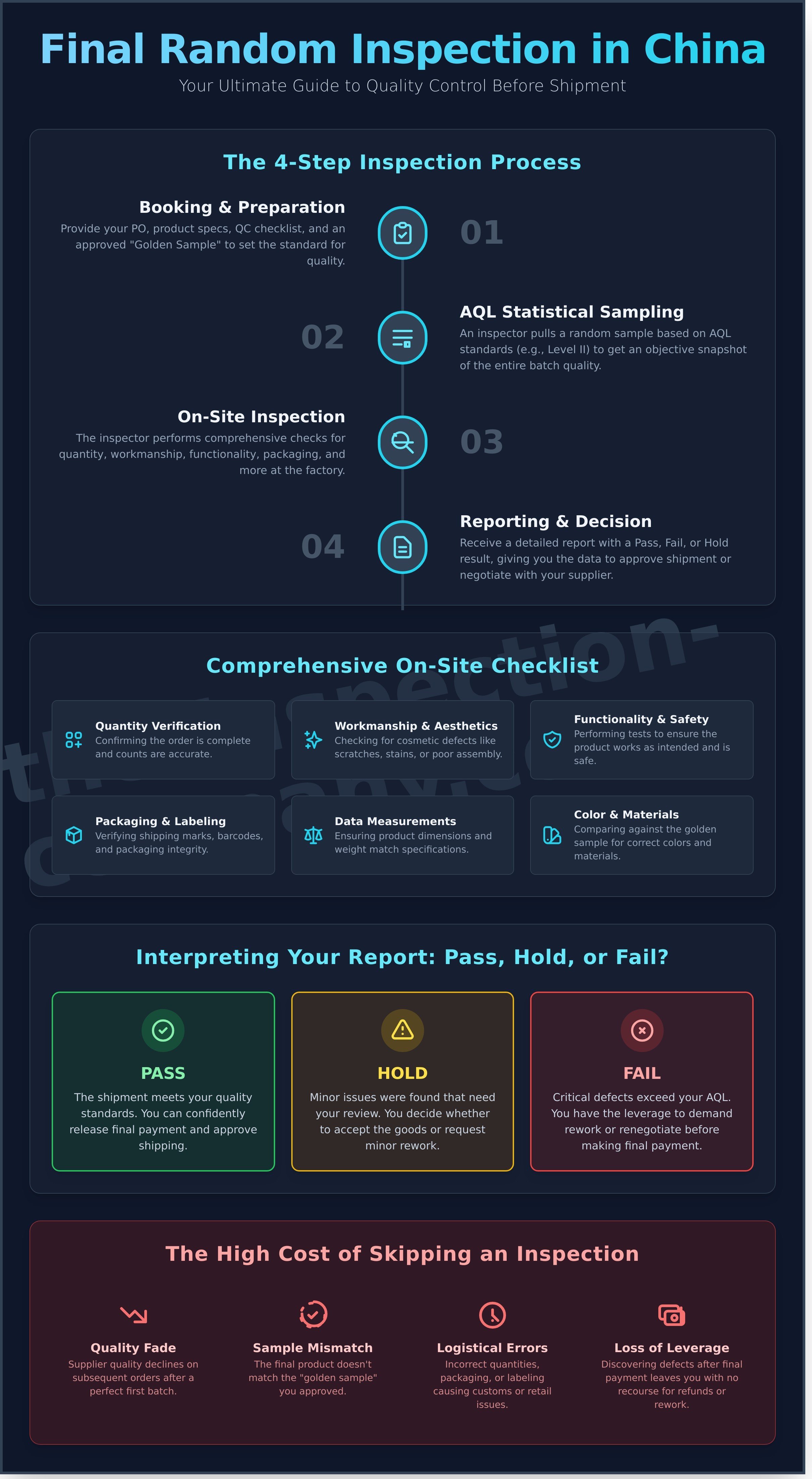
A professional inspection is not a mystery; it is a structured, transparent process designed to give you a clear and unbiased assessment of your products before they ship. Understanding how a final random inspection in China is conducted, from booking to final report, empowers you to take control of your quality standards. This methodical approach eliminates guesswork and prevents costly surprises, ensuring what you ordered is what you receive.
Step 1: Booking and Preparation
Initiating an inspection is straightforward. You book the service with your chosen third-party company and provide essential documents. To ensure accuracy, our team requires:
- Your Purchase Order (PO)
- Detailed product specifications and requirements
- A comprehensive Quality Control (QC) checklist
Most importantly, providing an approved "golden sample" gives the inspector a physical benchmark for quality. This is the standard against which all production units will be compared, leaving no room for interpretation.
Step 2: AQL Sampling Method Explained
We don't need to check every single unit to verify quality. Instead, we use the Acceptable Quality Limit (AQL) system, a statistical sampling method used worldwide. It allows us to confidently assess the quality of the entire production lot by inspecting a randomly selected portion. You define the AQL, which sets the maximum number of defective units allowed in the sample.
While there are several inspection levels, General Inspection Level II is the most commonly used standard, providing the best balance of cost and quality assurance. Based on your total order quantity, the AQL chart determines the sample size:
| Order Quantity (Lot Size) | Sample Size (General Level II) |
|---|---|
| 281 - 500 units | 50 units |
| 501 - 1,200 units | 80 units |
| 1,201 - 3,200 units | 125 units |
If the number of defects found exceeds your pre-defined AQL limits (e.g., 0 Critical, 2.5 Major, 4.0 Minor), the entire lot fails the inspection.
Step 3: The On-Site Inspection Procedure
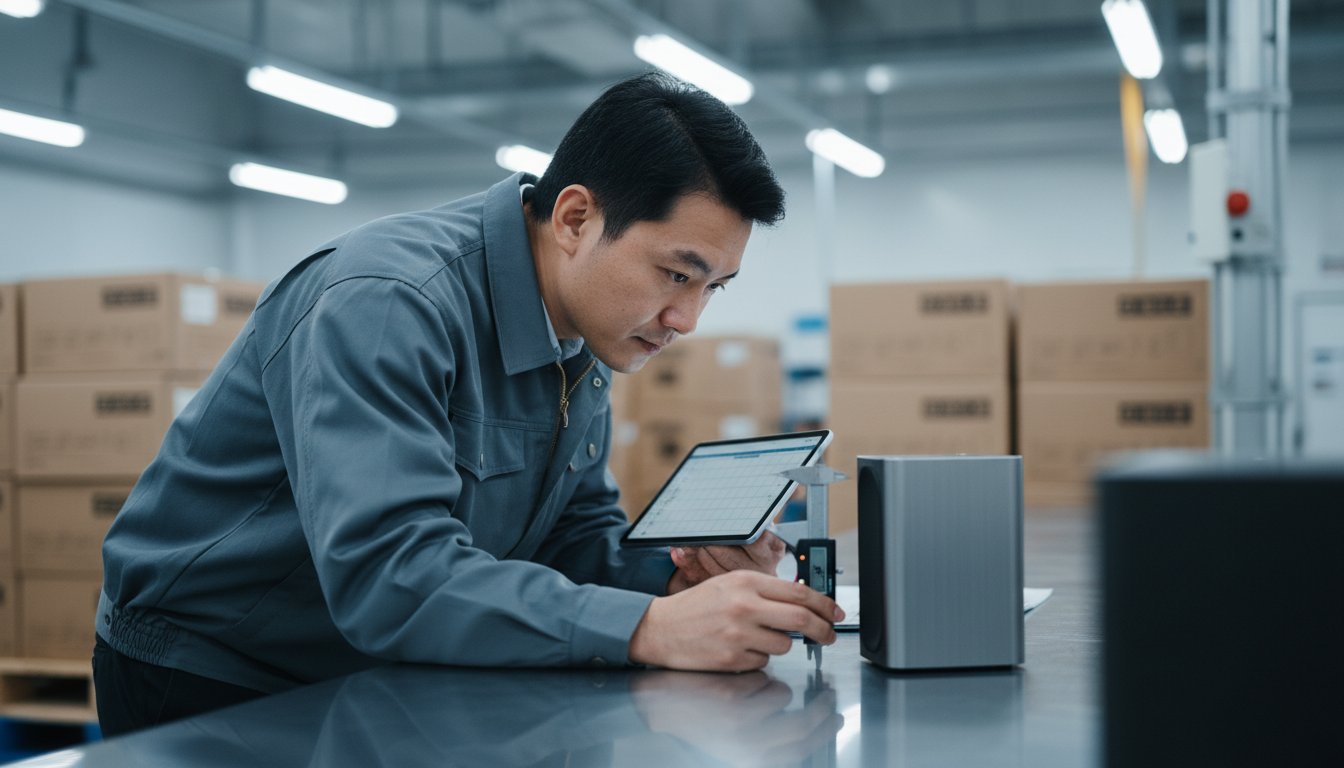
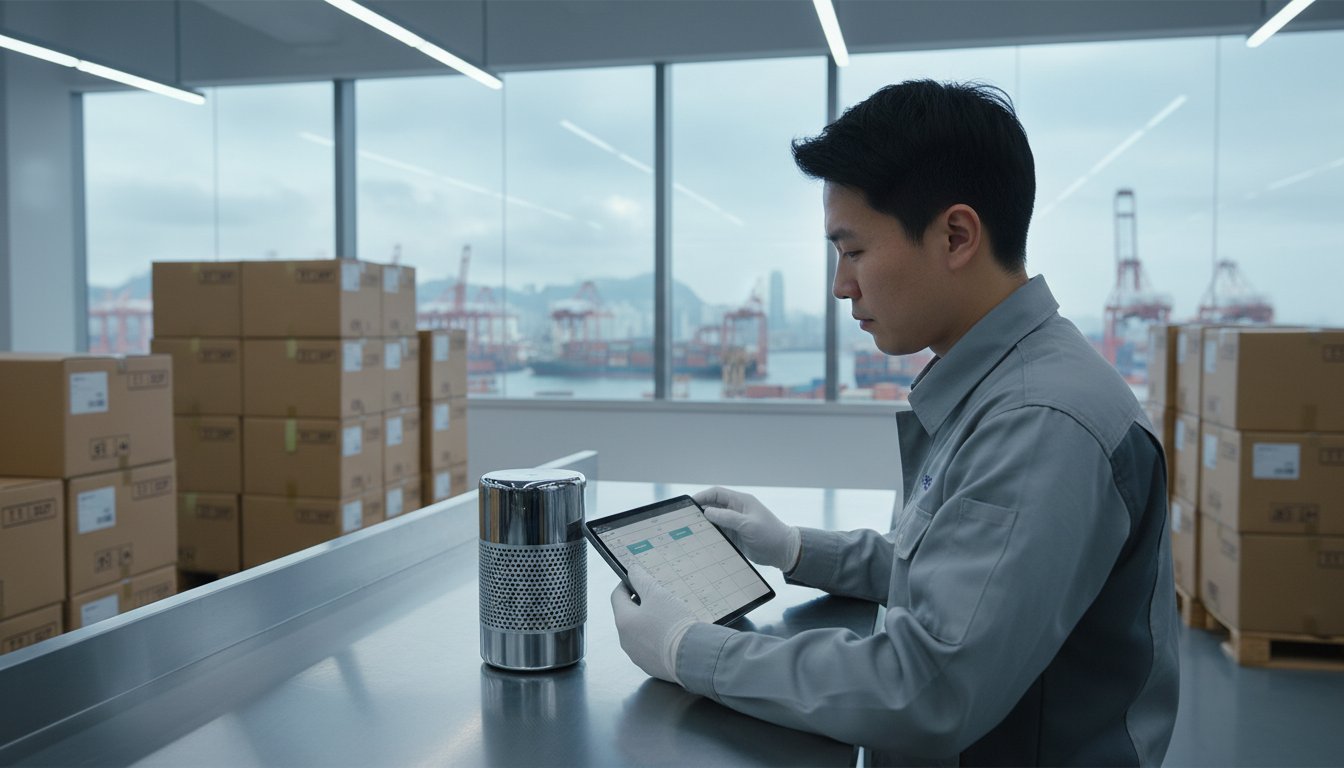
Once at the factory, our inspector follows a strict protocol. They randomly select cartons from the finished and packed goods to ensure the sample represents the entire batch. During a final random inspection in China, each unit from the sample is meticulously checked against your specifications for defects in workmanship, dimensions, and materials. We perform on-site tests like function checks, barcode scans, and fitting tests. This step is critical to ensure your goods meet your quality standards and avoid issues with your destination market's regulations, which can be as complex as China's import requirements. All findings and defects are photographed and documented in real-time.
Within 24 hours of the inspection, you receive a comprehensive report with detailed photos and findings. This speed is critical, providing you with the data you need to make a fast, informed decision: approve the shipment, or hold it to address the identified issues with your supplier.
What a China Inspector Actually Checks: A Comprehensive Checklist
A professional quality inspector’s primary goal is to act as your eyes and ears on the factory floor. They are not there to guess; they are there to verify. Every check performed during a final random inspection china is measured against one critical document: your purchase order (PO), which includes your approved product specifications and quality standards. This systematic verification process is your last chance to identify and stop defects before they are shipped, saving you from costly returns and brand damage.
Workmanship and Visual Defects
This is where the inspector meticulously examines the product's appearance, finish, and overall construction. They look for any deviation from your approved sample. Defects are identified and categorized to assess the shipment's overall quality level.
- General Appearance: Checking for scratches, dents, dirt, and color variations.
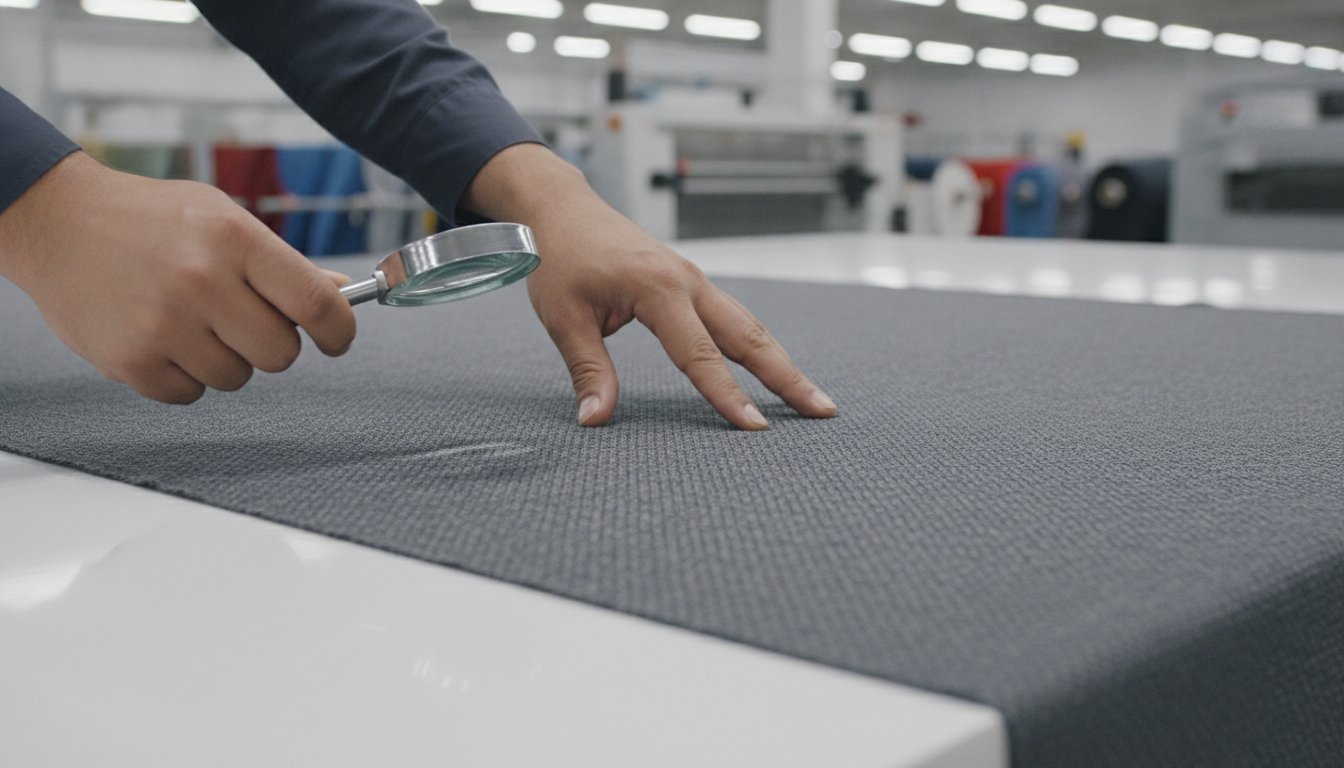
- Product-Specifics: For textiles, this includes poor stitching, uncut threads, and fabric flaws. For electronics, it could be misaligned casings or glue marks.
- Defect Classification: Issues are classified as Minor (unlikely to be noticed by the customer), Major (likely to cause a return), or Critical (unsafe or non-functional).
Quantity, Specifications, and Function Testing
Beyond looking good, the products must be correct and functional. An inspector confirms that what you ordered is what was produced in the right quantity and that it works as intended. This step ensures you receive exactly what you paid for.
- Quantity Verification: A full carton count is performed, and the number of units inside a sample of cartons is checked against the PO.
- Specification Checks: Verifying product dimensions, weight, materials, and colors against your spec sheet.
- On-Site Tests: This includes basic function tests (e.g., turning on an electronic device) and simple abuse tests like carton drop tests or fabric rub tests to check for colorfastness.
Packaging, Labeling, and Shipping Marks
A perfect product can become a logistical nightmare if the packaging and labeling are incorrect. This final check during the inspection ensures your goods will move smoothly through customs and distribution channels without costly delays or re-labeling fees.
- Label Verification: Ensuring correct barcodes, FBA labels, warning labels, and country of origin markings are present and legible.
- Packaging Quality: Checking the integrity of the inner packaging and master cartons to ensure they can protect the product during transit.
- Shipping Mark Confirmation: Verifying that all markings on the master cartons match the PO to prevent warehouse and shipping errors.
Need a robust checklist to provide your supplier and inspector? Download our free template.
Interpreting Your Inspection Report and Taking Action
Once your inspection is complete, you will receive a detailed report. This document is not just a pass/fail grade; it is a powerful tool for risk mitigation and supplier management. Understanding its structure and knowing how to act on its findings is critical to protecting your investment and ensuring product quality. The report provides the objective data you need to make a final, informed decision before authorizing shipment and final payment.
A professional inspection report typically presents one of three outcomes: Pass, Fail, or Hold. A 'Pass' means the goods meet your pre-defined quality standards. 'Fail' indicates that critical, major, or minor defects exceed the acceptable limits. 'Hold' is used when the outcome is pending your decision on specific, borderline issues.
Understanding the Report: From Summary to Photos
Start with the overall result and executive summary for a high-level view. Then, dive into the detailed breakdown of findings. This section lists every defect discovered, categorized by severity (Critical, Major, Minor), giving you a precise understanding of the issues. Most importantly, the high-quality photos and videos provide indisputable, objective evidence of each problem, eliminating any room for misinterpretation when discussing the results of your final random inspection in China with your supplier.
Your Shipment Failed. Now What?
A failed inspection report can be alarming, but it is a signal that the quality control process is working. It has stopped a costly problem before it left the factory. Do not panic. Instead, take these methodical steps:
- Do not approve shipment or release final payment. This is your primary leverage.
- Communicate clearly with your supplier. Forward the full report and reference specific findings and photos. Remain calm and professional.
- Request a corrective action plan. Ask the supplier how they will fix the issues. This usually involves sorting the entire production lot to remove defective units and reworking the faulty products.
- Decide on a re-inspection. For significant failures, a re-inspection after the rework is essential to verify the problem has been solved.
Leveraging the Report for Supplier Negotiation
The inspection report is a fact-based negotiation tool. Use the data to hold your supplier accountable for the agreed-upon quality standards. For minor issues you might be willing to accept, you can negotiate a discount on the order. More importantly, use this opportunity to reinforce your quality expectations for all future orders, helping to improve your supplier's performance over time. A failed final random inspection in China is a chance to build a stronger, more quality-focused supply chain. Facing a failed inspection? Our experts can help you navigate it.
Common Challenges and Best Practices for Inspections in China
Successfully executing a final random inspection in China requires more than just a checklist; it demands an understanding of local business culture and proactive risk management. Importers often face unique challenges that can compromise quality control if not handled with authority and foresight. Protecting your investment means anticipating these issues and implementing robust procedures.
Navigating Factory Pushback and Excuses
It is not uncommon for factories to try and delay or deflect inspections. Be prepared for common excuses like "production is delayed" or "the finished goods are stored at another location." These are often red flags indicating potential quality issues.
Your best defense is a firm, professional stance backed by a clear Purchase Order (PO). Your PO must include a clause that explicitly states your right to inspect goods before shipment and makes final payment contingent on a passed inspection report. This contractual leverage is critical for enforcing your quality standards without damaging your supplier relationship.
Best Practices for a Successful Inspection
To avoid costly surprises and ensure a smooth process, follow these essential best practices:
- Provide an Ultra-Clear QC Checklist: Supply your inspection partner with a detailed, unambiguous checklist. If possible, provide it in both English and Chinese to eliminate any misinterpretation of your quality standards and testing criteria.
- Maintain Control of Booking: Never allow the factory or supplier to book the inspection on your behalf. This is a fundamental conflict of interest. Always book directly with your chosen third-party inspection company to guarantee an independent and unbiased assessment.
- Build a Reliable Partnership: Work with a consistent, reliable inspection partner. A long-term relationship ensures the team understands your products, standards, and priorities, leading to more effective quality control over time.
When an FRI Isn't Enough: Considering Other Services
While a Final Random Inspection is a critical last step, some situations demand earlier intervention. A comprehensive quality assurance strategy for a final random inspection in China may require additional services:
- For New Suppliers: Always conduct a Factory Audit before placing your first order to verify their legitimacy, capabilities, and quality management systems.
- For Complex Products: Use a During Production Inspection (DUPRO) to catch defects mid-process, preventing systemic issues from affecting the entire production run.
- For Shipment Verification: A Container Loading Inspection (CLI) ensures the correct quantity and items are loaded correctly and securely, preventing damage during transit.
Partnering with an experienced team like The Inspection Company ensures these challenges are managed professionally, protecting your products and your brand reputation.
Secure Your Supply Chain: The Final Word on China Inspections
Mastering the import process from China hinges on one critical, non-negotiable step: the final inspection. As this guide has shown, it is your ultimate opportunity to verify that your products meet exact specifications for quality, function, and packaging before final payment and shipment. By understanding the step-by-step process and what inspectors check for, you can proactively prevent costly defects and protect your brand's reputation. A professionally managed final random inspection china is the most effective safeguard against receiving a shipment that fails to meet your standards and expectations.
Don't leave this crucial stage to chance. With a network of over 700 professional inspectors across Asia, our European management ensures every inspection is conducted to the highest international standards. We deliver detailed, actionable reports within 24 hours, providing the transparency and control you need to make fast, informed decisions. One day of inspection can save you months of trouble and protect your investment. Avoid costly surprises. Get your free inspection quote for China today. Ship your next order with complete confidence.
Frequently Asked Questions
How much does a final random inspection cost in China?
The cost for a final random inspection in China is typically a flat, all-inclusive daily rate, often ranging from $250 to $320 USD. This fee covers the inspector's full day of work, their travel expenses, and the creation of the comprehensive inspection report. This transparent pricing ensures there are no hidden fees or surprises. Investing one day's fee can save you from costly defects and protect your entire shipment's value, making it a critical risk-management tool.
How many days notice do I need to give to book an inspection?
To ensure proper coordination and scheduling, we require a minimum of 2-3 business days' notice to book an inspection. This allows our team sufficient time to communicate with your supplier, confirm the production status, and arrange for our professional inspector to be on-site. While we can sometimes accommodate urgent requests, providing advance notice guarantees a smooth and timely process, preventing any potential delays to your shipment schedule and ensuring we can secure the best available inspector.
What is the difference between a Final Random Inspection and a 100% inspection?
A Final Random Inspection (FRI) uses a statistical sampling method (AQL) to assess the overall quality of a production lot. It is a cost-effective way to verify that your order meets quality standards before shipment. In contrast, a 100% inspection, or full inspection, involves checking every single unit in the shipment. This method is far more time-consuming and expensive, typically reserved for high-value products or components where zero defects are absolutely critical for safety or function.
Can I perform the inspection myself instead of hiring a company?
While you can travel to the factory, it is often impractical and introduces significant risks. The costs of travel, accommodation, and lost time can far exceed the fee for a professional service. Furthermore, an independent third-party inspector provides an unbiased, expert assessment based on established standards. They are trained to identify defects you might miss and can navigate potential language and cultural barriers with the factory, ensuring a more reliable and objective outcome for your business.
What happens if the factory refuses to allow the inspector on-site?
A factory's refusal to permit an inspection is a major red flag that should be taken very seriously. Reputable suppliers understand that quality control is a standard part of business and will cooperate fully. If a factory denies access, we immediately inform you and investigate the reason. This refusal often indicates that they are hiding serious quality problems, production delays, or are not the actual manufacturer. We advise against proceeding with shipment until the issue is resolved.
Does a 'Pass' result on an FRI guarantee zero defects in my shipment?
No, a 'Pass' result does not guarantee a zero-defect shipment. The FRI is based on Acceptance Quality Limits (AQL), a statistical method that determines the maximum number of acceptable defects in a random sample. A 'Pass' signifies that the overall quality of the production lot meets your pre-defined tolerance level. It is a powerful tool to mitigate risk and confirm general compliance, but it is not a guarantee that every single item is flawless.
Which cities and provinces in China do you cover for inspections?
Our extensive network of qualified inspectors provides nationwide coverage across all of China's major industrial regions. We have a strong presence in key manufacturing hubs, including the provinces of Guangdong (Shenzhen, Guangzhou), Zhejiang (Ningbo, Hangzhou), Jiangsu (Suzhou, Wuxi), and Shandong (Qingdao). Whether your supplier is in a major coastal city or a more remote inland area, we have the resources and personnel to conduct a professional inspection and protect your interests.